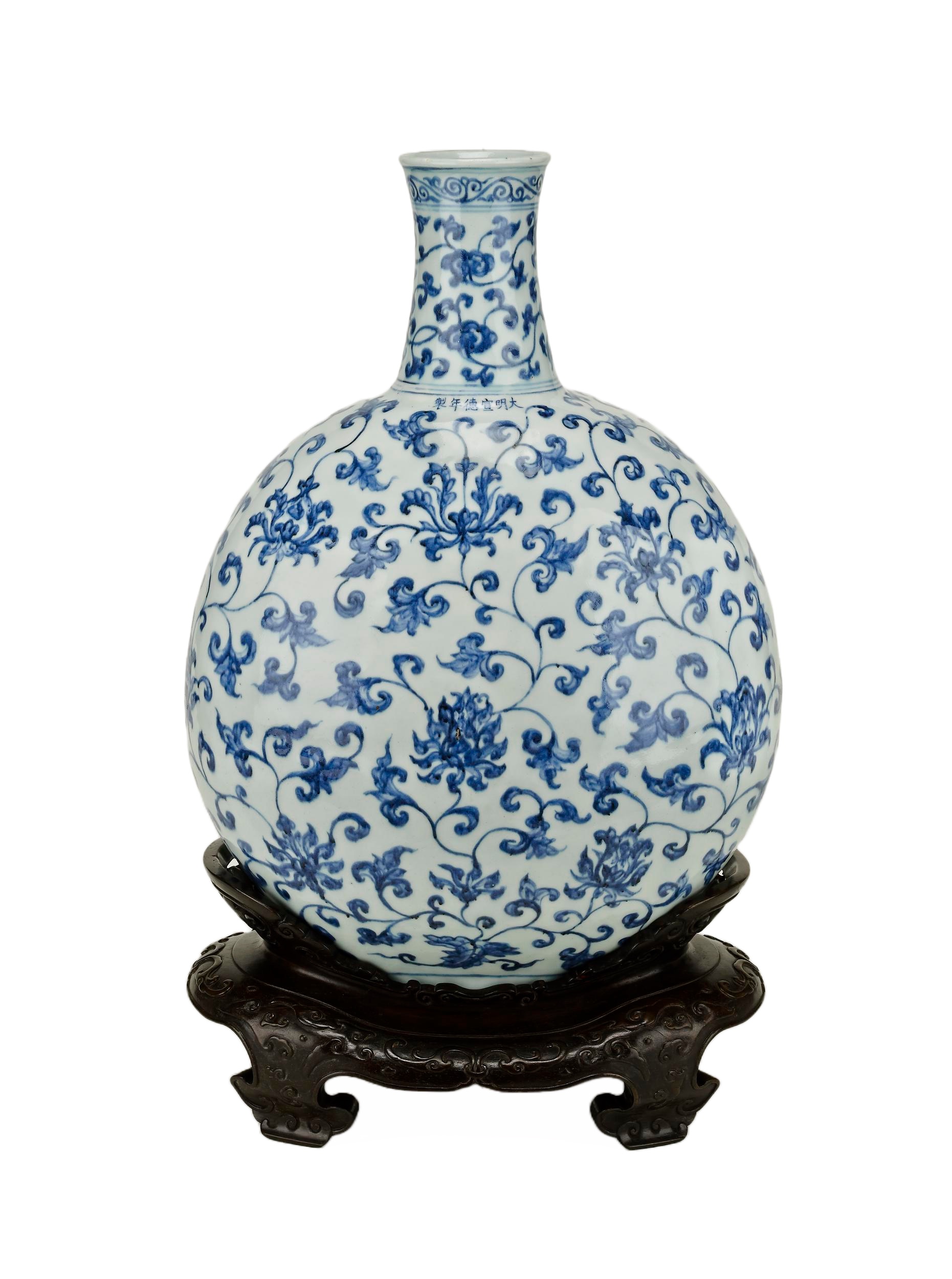
Chinese pottery and porcelain have a rich history that spans thousands of years, reflecting the cultural, artistic, and technological advancements of ancient China. This art form is not only a testament to the skill and creativity of Chinese artisans but also a window into the country's social and economic development. From the earliest Neolithic pottery to the exquisite porcelain of the Ming and Qing dynasties, Chinese pottery and porcelain have captivated collectors and enthusiasts worldwide.
The Early Beginnings of Chinese Pottery
The story of Chinese pottery begins in the Neolithic period, around 10,000 BC, when early Chinese civilizations started using clay to create functional vessels. These early pottery pieces were primarily utilitarian, used for cooking, storage, and burial rituals. The most notable examples from this period include the Yangshao and Longshan cultures, which produced distinctive pottery styles characterized by their earthy tones and simple designs.
The Yangshao culture, which flourished around 5000-3000 BC, is known for its painted pottery. These vessels often featured geometric patterns and animal motifs, painted in red or black on a yellow or buff background. The Longshan culture, which followed around 3000-2000 BC, is renowned for its finely crafted black pottery, which was often polished to a high sheen.
The Development of Chinese Porcelain
The transition from pottery to porcelain marked a significant milestone in Chinese ceramic history. Porcelain, also known as "china," is a type of ceramic made from kaolin, a fine white clay, and fired at high temperatures. This process results in a hard, non-porous material that is both durable and aesthetically pleasing.
The Tang Dynasty (618-907 AD) saw the development of early porcelain, although it was not yet as refined as it would become in later dynasties. The Song Dynasty (960-1279 AD) is often credited with the creation of true porcelain, characterized by its white body and translucent glaze. During this period, the kilns of Jingdezhen, located in Jiangxi Province, became famous for their high-quality porcelain production.
The Ming Dynasty (1368-1644 AD) is considered the golden age of Chinese porcelain. The imperial kilns at Jingdezhen produced some of the most exquisite pieces, including the famous blue-and-white porcelain. This style features intricate designs painted in cobalt blue under a clear glaze, often depicting scenes from literature, mythology, and nature. The blue-and-white porcelain of the Ming Dynasty is highly sought after by collectors today.
The Artistry and Techniques of Chinese Pottery and Porcelain
The artistry of Chinese pottery and porcelain lies in the meticulous techniques employed by artisans. These techniques include:
- Throwing: The process of shaping clay on a potter's wheel to create symmetrical forms.
- Hand-building: Constructing pottery by hand using techniques such as coiling, pinching, and slab-building.
- Glazing: Applying a liquid glass coating to the surface of the pottery, which melts and fuses during firing to create a smooth, glossy finish.
- Painting: Decorating the surface of the pottery with intricate designs using various pigments and techniques.
- Firing: Heating the pottery in a kiln to high temperatures to harden the clay and fuse the glaze.
Each of these techniques requires a high level of skill and precision, and the mastery of these techniques has been passed down through generations of Chinese artisans.
The Cultural Significance of Chinese Pottery and Porcelain
Chinese pottery and porcelain hold immense cultural significance, reflecting the values, beliefs, and aesthetics of Chinese society. Throughout history, these artifacts have served various purposes, from everyday use to ceremonial and funerary objects. They have also been important trade items, contributing to the spread of Chinese culture and influence across Asia and beyond.
In ancient China, pottery and porcelain were often used in religious and ritual contexts. For example, burial vessels were placed in tombs to accompany the deceased into the afterlife. These vessels were often elaborately decorated with symbols and motifs that held spiritual significance.
During the Tang and Song dynasties, tea culture flourished in China, and porcelain tea bowls and cups became highly prized items. The aesthetic qualities of porcelain, such as its white body and translucent glaze, were appreciated for their purity and elegance, reflecting the ideals of Chinese tea culture.
In the Ming and Qing dynasties, porcelain became a symbol of wealth and status. The imperial kilns at Jingdezhen produced exquisite pieces for the royal court, featuring intricate designs and luxurious materials. These porcelain items were often given as gifts to foreign dignitaries, serving as diplomatic tools to enhance China's prestige and influence.
The Global Influence of Chinese Pottery and Porcelain
The influence of Chinese pottery and porcelain extends far beyond its borders. Throughout history, Chinese ceramics have been traded along the Silk Road and other trade routes, reaching as far as Europe and the Middle East. The exquisite craftsmanship and aesthetic appeal of Chinese porcelain have inspired ceramic traditions in other cultures, leading to the development of unique styles and techniques.
In the 17th and 18th centuries, European potters began to produce their own versions of Chinese porcelain, known as "chinoiserie." These pieces often featured Chinese-inspired designs and motifs, reflecting the fascination with Chinese culture and aesthetics. The popularity of chinoiserie in Europe led to the establishment of porcelain factories in countries such as Germany, France, and England, further spreading the influence of Chinese pottery and porcelain.
Today, Chinese pottery and porcelain continue to captivate collectors and enthusiasts worldwide. Museums and galleries around the world showcase these exquisite artifacts, offering visitors a glimpse into the rich history and cultural heritage of China. The enduring appeal of Chinese pottery and porcelain is a testament to the timeless beauty and craftsmanship of these art forms.
Here is a table summarizing the key periods and styles of Chinese pottery and porcelain:
| Period | Style | Characteristics |
|---|---|---|
| Neolithic | Yangshao and Longshan | Earthy tones, geometric patterns, animal motifs, black pottery |
| Tang Dynasty | Early Porcelain | White body, translucent glaze, simple designs |
| Song Dynasty | True Porcelain | White body, translucent glaze, refined craftsmanship |
| Ming Dynasty | Blue-and-White Porcelain | Cobalt blue designs, clear glaze, intricate patterns |
| Qing Dynasty | Famile Rose | Pink enamel, intricate floral designs, luxurious materials |
📚 Note: The table above provides a brief overview of the key periods and styles of Chinese pottery and porcelain. Each period and style has its unique characteristics and historical significance, reflecting the evolution of Chinese ceramic art.
Chinese pottery and porcelain have a rich history that spans thousands of years, reflecting the cultural, artistic, and technological advancements of ancient China. From the earliest Neolithic pottery to the exquisite porcelain of the Ming and Qing dynasties, Chinese pottery and porcelain have captivated collectors and enthusiasts worldwide. The artistry and techniques employed by Chinese artisans, as well as the cultural significance of these artifacts, make them a valuable part of global heritage. The enduring appeal of Chinese pottery and porcelain is a testament to the timeless beauty and craftsmanship of these art forms, which continue to inspire and fascinate people around the world.
Related Terms:
- chinese porcelain
- chinese porcelain history and facts
- hobson chinese pottery and porcelain
- traditional chinese pottery
- what is chinese pottery called
- ancient chinese pottery and ceramics