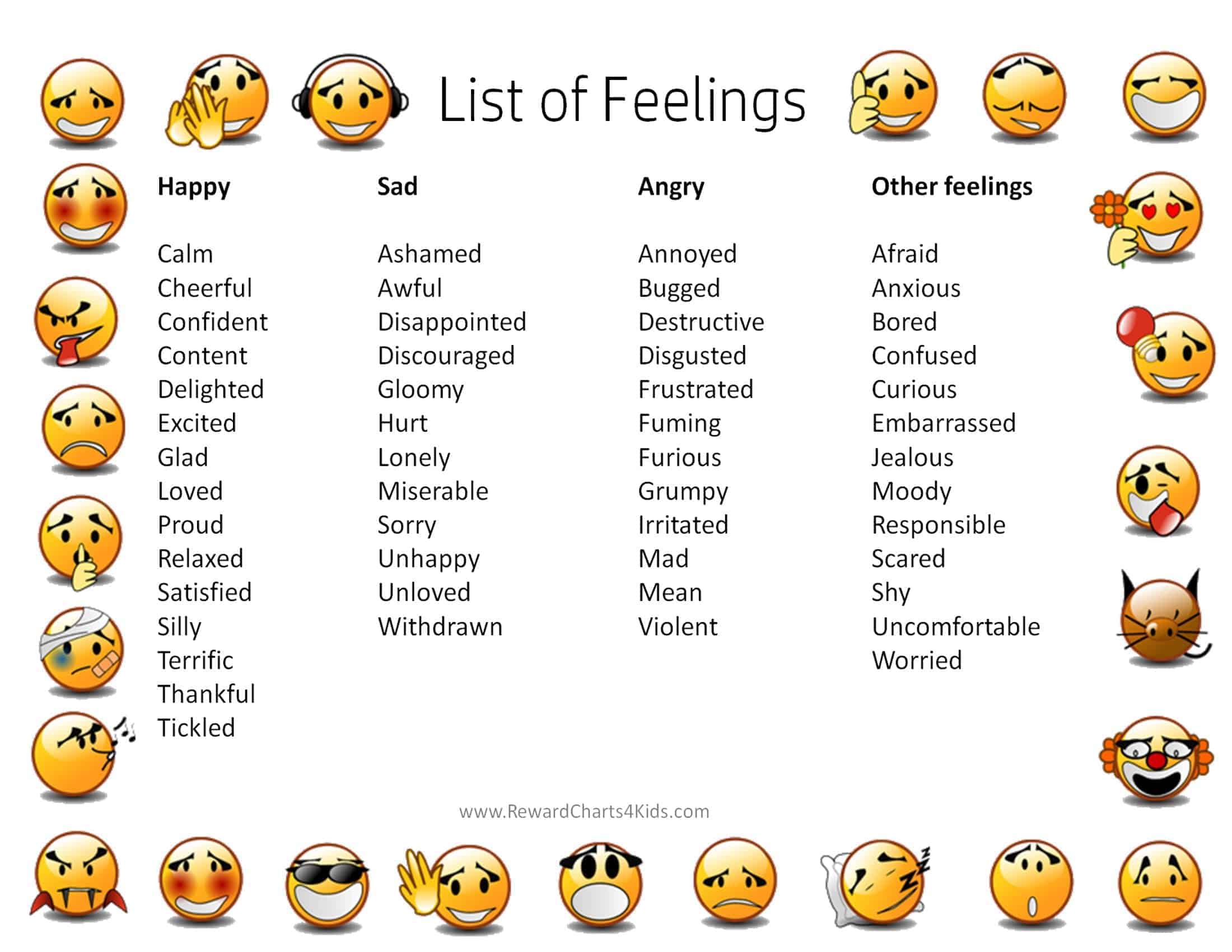
Understanding and managing children's emotions is a crucial aspect of their development. A Children's Feelings Chart is a valuable tool that can help parents, teachers, and caregivers navigate the complex world of a child's feelings. This chart serves as a visual aid that assists children in identifying and expressing their emotions, fostering emotional intelligence from an early age.
What is a Children’s Feelings Chart?
A Children’s Feelings Chart is a visual representation of various emotions that children might experience. It typically includes illustrations or photographs of different facial expressions corresponding to specific emotions. These charts are designed to be simple and easy to understand, making them accessible to children of all ages.
Benefits of Using a Children’s Feelings Chart
Using a Children’s Feelings Chart offers numerous benefits for both children and adults. Some of the key advantages include:
- Enhanced Emotional Literacy: Children learn to recognize and name their emotions, which is the first step in managing them effectively.
- Improved Communication: The chart helps children express their feelings more clearly, reducing frustration and misunderstandings.
- Emotional Regulation: By understanding their emotions, children can develop strategies to cope with them, leading to better emotional regulation.
- Empathy Development: Recognizing emotions in others becomes easier when children are familiar with their own feelings, fostering empathy and social skills.
How to Create a Children’s Feelings Chart
Creating a Children’s Feelings Chart can be a fun and educational activity. Here are the steps to make one:
- Choose a Format: Decide whether you want a digital chart or a physical one. Digital charts can be easily shared and accessed on tablets or computers, while physical charts can be hung on walls or kept in a notebook.
- Select Emotions: Identify the emotions you want to include. Common emotions to start with are happy, sad, angry, scared, surprised, and confused. You can add more emotions as the child grows older.
- Find or Draw Illustrations: Use simple and clear illustrations or photographs that represent each emotion. Ensure the images are age-appropriate and relatable.
- Label the Emotions: Write the name of each emotion clearly below or next to the corresponding illustration. Use simple, easy-to-understand language.
- Laminate or Protect: If you are creating a physical chart, consider laminating it to make it durable and easy to clean. For digital charts, ensure they are saved in a format that can be easily accessed and shared.
📝 Note: You can involve children in the creation process to make it more engaging and personalized. They can help choose the emotions and even draw the illustrations.
Using a Children’s Feelings Chart Effectively
Once you have created a Children’s Feelings Chart, it’s important to use it effectively to maximize its benefits. Here are some tips:
- Regular Practice: Make it a habit to refer to the chart regularly. You can use it during daily conversations, storytime, or when the child is experiencing strong emotions.
- Role-Playing: Use the chart to role-play different scenarios. This helps children understand how to respond to various emotions in different situations.
- Emotion Journaling: Encourage children to keep an emotion journal where they can record their feelings using the chart as a reference. This can help them track their emotional journey over time.
- Positive Reinforcement: Praise children when they correctly identify and express their emotions. Positive reinforcement encourages them to continue using the chart.
Common Emotions to Include in a Children’s Feelings Chart
When creating a Children’s Feelings Chart, it’s essential to include a variety of emotions to cover a wide range of feelings. Here is a list of common emotions to consider:
| Emotion | Description |
|---|---|
| Happy | Feeling joyful and content. |
| Sad | Feeling down or upset. |
| Angry | Feeling frustrated or irritated. |
| Scared | Feeling frightened or anxious. |
| Surprised | Feeling shocked or astonished. |
| Confused | Feeling uncertain or bewildered. |
| Excited | Feeling enthusiastic or eager. |
| Bored | Feeling uninterested or unengaged. |
| Proud | Feeling accomplished or satisfied. |
| Jealous | Feeling envious or resentful. |
Incorporating a Children’s Feelings Chart into Daily Routines
Integrating a Children’s Feelings Chart into daily routines can make it a natural part of a child’s life. Here are some ways to do that:
- Morning Check-In: Start the day by asking children to identify their current emotion using the chart. This sets a positive tone for the day and helps them become aware of their feelings.
- Bedtime Reflection: End the day by discussing any emotions they experienced throughout the day. This helps them process their feelings and prepare for a good night’s sleep.
- Storytime Integration: Use the chart during storytime to discuss the emotions of the characters. This helps children understand that everyone experiences a range of emotions.
- Emotion of the Day: Choose an emotion of the day and discuss it in detail. Encourage children to share examples of when they felt that emotion and how they handled it.
📝 Note: Consistency is key when incorporating the chart into daily routines. Make it a habit to refer to the chart regularly to reinforce its importance.
Adapting a Children’s Feelings Chart for Different Ages
A Children’s Feelings Chart can be adapted to suit different age groups. Here are some tips for tailoring the chart to various age ranges:
- Toddlers and Preschoolers: Use simple, clear illustrations and limit the number of emotions to a few basic ones like happy, sad, and angry. Keep the language simple and easy to understand.
- School-Age Children: Introduce more complex emotions and use more detailed illustrations. Encourage children to discuss their feelings in more depth and explore different coping strategies.
- Teenagers: Incorporate abstract emotions and encourage teenagers to express their feelings through writing or art. Use the chart as a starting point for deeper conversations about emotional well-being.
Addressing Challenges with a Children’s Feelings Chart
While a Children’s Feelings Chart is a powerful tool, there may be challenges in using it effectively. Here are some common issues and how to address them:
- Resistance to Using the Chart: Some children may resist using the chart initially. Make it a fun activity by incorporating games or role-playing. Praise their efforts to encourage continued use.
- Difficulty Identifying Emotions: If a child struggles to identify their emotions, provide examples and discuss scenarios where they might feel that way. Use the chart as a reference to help them understand.
- Overwhelming Emotions: If a child is experiencing overwhelming emotions, use the chart to help them calm down and process their feelings. Encourage them to take deep breaths and discuss their emotions in a safe and supportive environment.
📝 Note: Be patient and understanding when addressing challenges. Each child is unique, and it may take time for them to become comfortable using the chart.
The Role of Adults in Supporting Emotional Development
Adults play a crucial role in supporting a child’s emotional development. Here are some ways adults can use a Children’s Feelings Chart to foster emotional intelligence:
- Model Emotional Expression: Show children how to express their emotions in a healthy way. Use the chart to discuss your own feelings and how you handle them.
- Provide a Safe Space: Create a safe and supportive environment where children feel comfortable expressing their emotions. Use the chart to encourage open communication.
- Teach Coping Strategies: Use the chart to discuss different coping strategies for various emotions. Encourage children to try different techniques to find what works best for them.
- Encourage Empathy: Help children understand that everyone experiences a range of emotions. Use the chart to discuss how different emotions might affect others and how to respond with empathy.
Using a Children’s Feelings Chart is a valuable way to support children’s emotional development. By helping them identify and express their emotions, we empower them to navigate the complexities of their feelings and build a strong foundation for emotional intelligence. This tool not only benefits children but also strengthens the bond between children and adults, fostering a deeper understanding and connection.