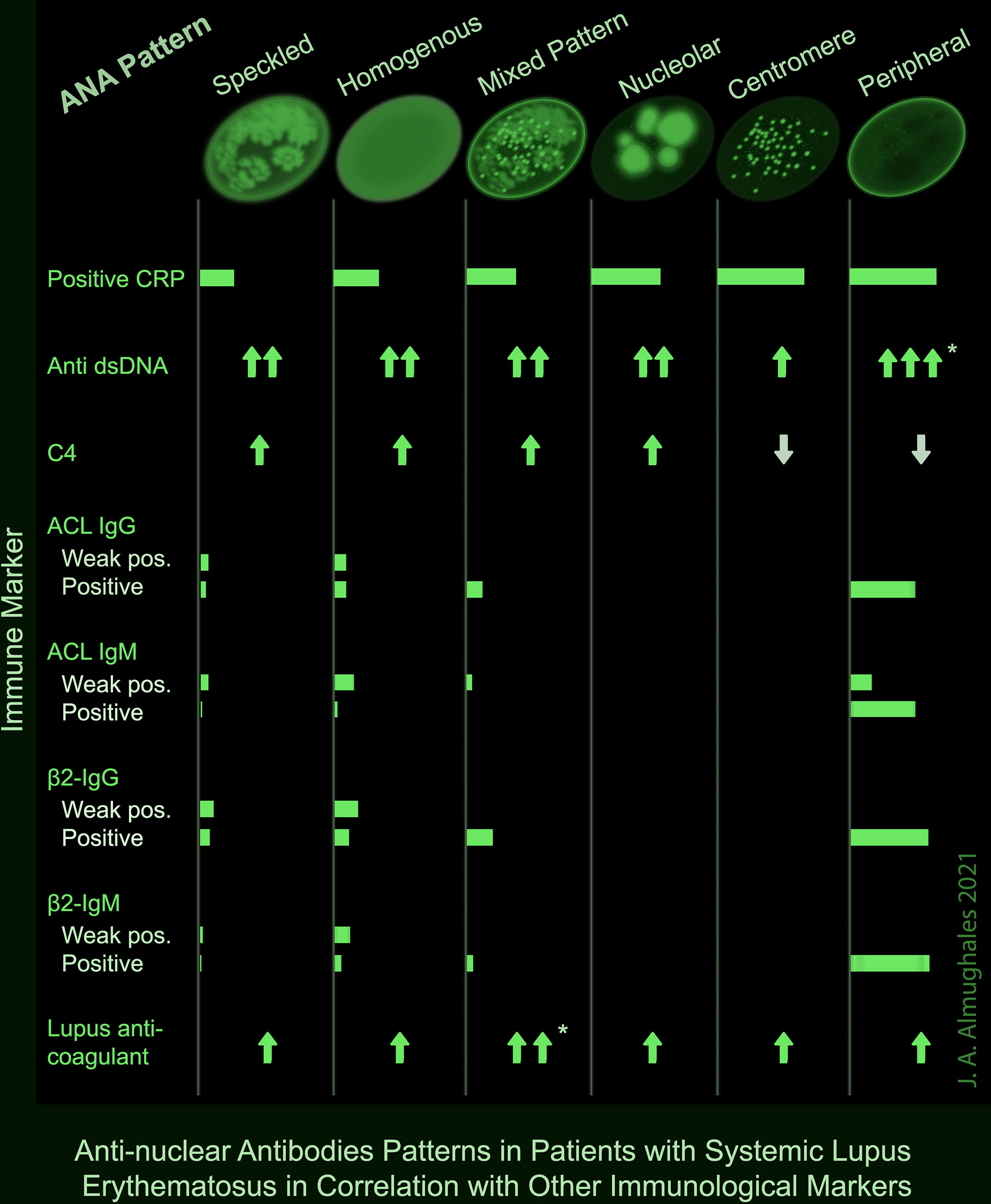
In the realm of immunology and molecular biology, the study of antibodies and their interactions with specific antigens is crucial for understanding various biological processes and diseases. One such antibody that has garnered significant attention is the Centromere B Antibody. This antibody plays a pivotal role in the diagnosis and understanding of autoimmune disorders, particularly those affecting the connective tissues. This post delves into the intricacies of the Centromere B Antibody, its significance, detection methods, and its clinical implications.
Understanding the Centromere B Antibody
The Centromere B Antibody is an autoantibody that targets the centromere, a critical region of the chromosome involved in cell division. The centromere is essential for the proper segregation of chromosomes during mitosis and meiosis. Autoantibodies against the centromere are often associated with autoimmune disorders, where the body's immune system mistakenly attacks its own tissues.
Autoimmune disorders are characterized by the production of autoantibodies that target various components of the body's cells and tissues. The Centromere B Antibody is particularly notable because it is highly specific to certain autoimmune conditions, making it a valuable diagnostic tool. The most common condition associated with this antibody is CREST syndrome, a variant of systemic sclerosis.
Clinical Significance of the Centromere B Antibody
The detection of the Centromere B Antibody in a patient's serum can provide crucial information for diagnosing and managing autoimmune disorders. Here are some key points regarding its clinical significance:
- Diagnostic Marker: The presence of the Centromere B Antibody is a strong indicator of CREST syndrome, which is characterized by Calcinosis, Raynaud's phenomenon, Esophageal dysmotility, Sclerodactyly, and Telangiectasia. Early detection of this antibody can lead to timely intervention and better management of the condition.
- Differentiation from Other Autoimmune Disorders: The Centromere B Antibody helps differentiate CREST syndrome from other forms of systemic sclerosis and other autoimmune diseases. This differentiation is essential for tailoring treatment plans and improving patient outcomes.
- Prognostic Value: The presence of the Centromere B Antibody can also provide prognostic information. Patients with this antibody may have a different disease course and response to treatment compared to those without it.
Detection Methods for the Centromere B Antibody
Several methods are available for detecting the Centromere B Antibody in clinical settings. The choice of method depends on factors such as sensitivity, specificity, and availability. Here are some commonly used detection methods:
- Indirect Immunofluorescence (IIF): This is one of the most widely used methods for detecting autoantibodies, including the Centromere B Antibody. IIF involves incubating the patient's serum with a substrate containing human cells in the metaphase stage of mitosis. The presence of the antibody is visualized using fluorescently labeled secondary antibodies.
- Enzyme-Linked Immunosorbent Assay (ELISA): ELISA is a quantitative method that uses specific antigens coated on a microtiter plate. The patient's serum is added, and the presence of the Centromere B Antibody is detected using enzyme-linked secondary antibodies.
- Immunoblotting: This method involves separating proteins by electrophoresis and transferring them to a membrane. The membrane is then probed with the patient's serum, and the presence of the Centromere B Antibody is detected using labeled secondary antibodies.
Each of these methods has its advantages and limitations. IIF is highly sensitive and specific but requires skilled interpretation. ELISA is quantitative and easier to automate but may have lower specificity. Immunoblotting provides detailed information about the target antigens but is more time-consuming.
Clinical Implications and Management
The detection of the Centromere B Antibody has significant implications for the clinical management of autoimmune disorders. Early and accurate diagnosis can lead to timely intervention and better outcomes for patients. Here are some key points regarding the management of conditions associated with the Centromere B Antibody:
- Monitoring Disease Progression: Regular monitoring of the Centromere B Antibody levels can help track disease progression and response to treatment. This information is crucial for adjusting treatment plans and preventing complications.
- Tailored Treatment Plans: The presence of the Centromere B Antibody can guide the selection of appropriate treatment options. For example, patients with CREST syndrome may benefit from immunosuppressive therapies, vasodilators, and other targeted treatments.
- Patient Education and Support: Educating patients about their condition and the significance of the Centromere B Antibody can empower them to take an active role in their care. Support groups and counseling can also provide emotional support and improve quality of life.
It is important to note that the management of autoimmune disorders is complex and requires a multidisciplinary approach. Collaboration between rheumatologists, immunologists, and other healthcare providers is essential for optimal patient care.
Future Directions in Research
The study of the Centromere B Antibody continues to evolve, with ongoing research aimed at improving detection methods, understanding its role in disease pathogenesis, and developing targeted therapies. Some areas of active research include:
- Novel Detection Methods: Researchers are exploring new technologies and biomarkers to enhance the sensitivity and specificity of Centromere B Antibody detection. These advancements can lead to earlier and more accurate diagnosis.
- Pathogenesis and Mechanisms: Understanding the molecular mechanisms underlying the production of the Centromere B Antibody and its role in disease pathogenesis can provide insights into potential therapeutic targets.
- Personalized Medicine: The development of personalized treatment plans based on the presence and levels of the Centromere B Antibody can improve patient outcomes and reduce the risk of complications.
As research continues, the clinical utility of the Centromere B Antibody is expected to expand, leading to better diagnosis, management, and treatment of autoimmune disorders.
📝 Note: The information provided in this post is for educational purposes only and should not be used as a substitute for professional medical advice. Always consult a healthcare provider for diagnosis and treatment.
In summary, the Centromere B Antibody is a critical biomarker in the diagnosis and management of autoimmune disorders, particularly CREST syndrome. Its detection using various methods provides valuable information for early intervention, tailored treatment plans, and improved patient outcomes. Ongoing research continues to enhance our understanding of this antibody and its clinical implications, paving the way for better diagnostic tools and therapeutic strategies. As we delve deeper into the molecular mechanisms and clinical significance of the Centromere B Antibody, we move closer to more effective management of autoimmune disorders and improved quality of life for patients.
Related Terms:
- anti centromere b antibodies range
- centromere b antibody normal range
- centromere antibody positive ranges
- high anti centromere b antibodies
- what is centromere b antibody
- positive centromere b antibody meaning