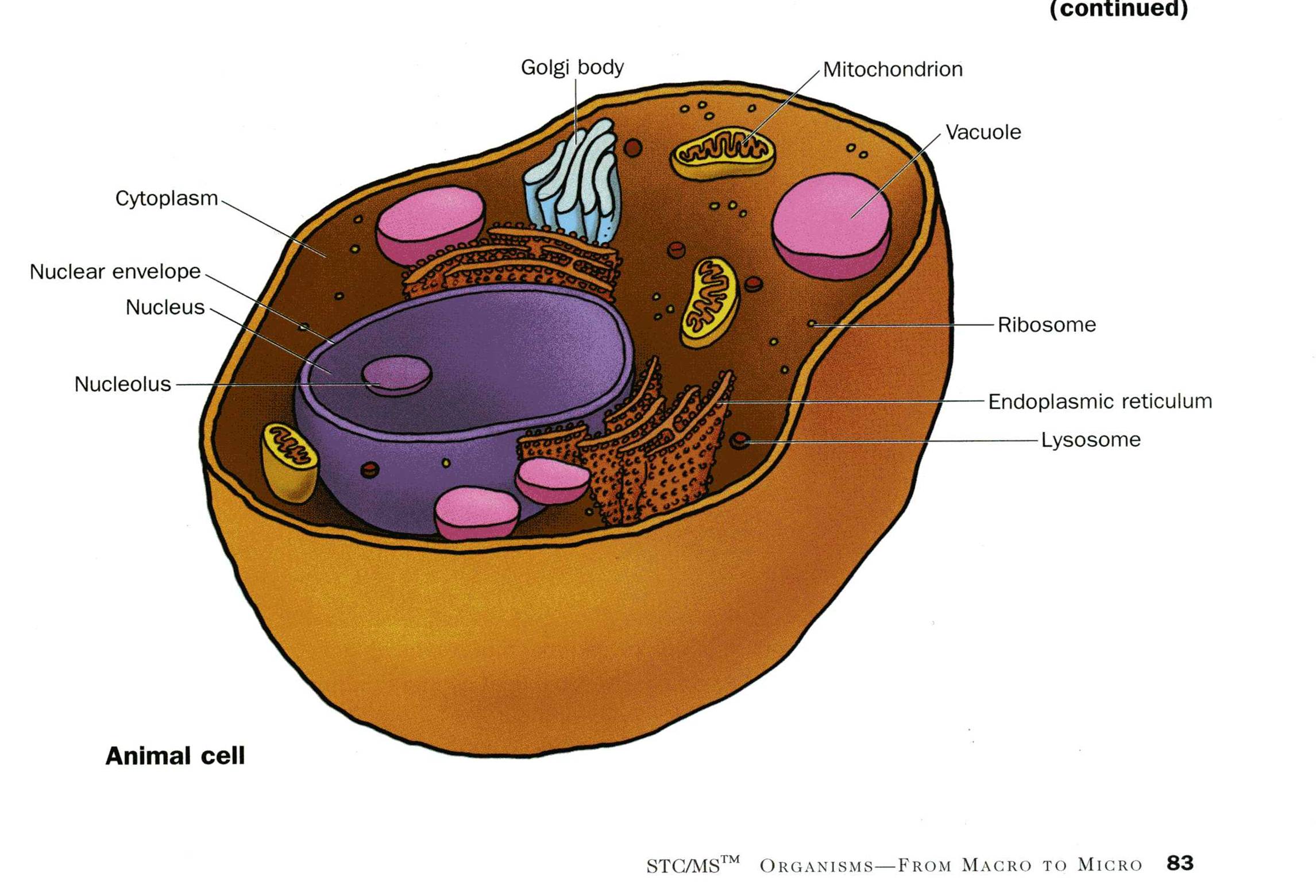
Cells are the fundamental units of life, and their specialization is a cornerstone of biological complexity. Cells are specialized to perform specific functions, enabling multicellular organisms to thrive in diverse environments. This specialization allows for the efficient division of labor within an organism, where different cell types work together to maintain homeostasis and support the organism's overall health. Understanding how cells are specialized is crucial for appreciating the intricacies of biological systems and the mechanisms that underpin life.
Understanding Cell Specialization
Cell specialization, also known as cellular differentiation, is the process by which cells become distinct in structure and function. This process begins early in development and continues throughout an organism's life. Cells are specialized to perform specific tasks, such as transporting nutrients, providing structural support, or transmitting signals. This specialization is essential for the proper functioning of tissues and organs, which in turn support the overall health of the organism.
Cells are specialized through a combination of genetic and environmental factors. During development, cells receive signals that guide their differentiation into specific types. These signals can come from neighboring cells, the extracellular matrix, or systemic factors like hormones. The process of cell specialization involves changes in gene expression, which alter the proteins produced by the cell and, consequently, its structure and function.
The Role of Stem Cells in Cell Specialization
Stem cells play a crucial role in cell specialization. These cells have the unique ability to differentiate into various cell types, making them essential for development, tissue repair, and regeneration. Stem cells can be found in various tissues throughout the body, including the bone marrow, skin, and brain. They can differentiate into specialized cells in response to specific signals, contributing to the maintenance and repair of tissues.
There are different types of stem cells, including embryonic stem cells, adult stem cells, and induced pluripotent stem cells. Embryonic stem cells are derived from early embryos and have the potential to differentiate into any cell type in the body. Adult stem cells, on the other hand, are found in specific tissues and can differentiate into a limited number of cell types. Induced pluripotent stem cells are adult cells that have been reprogrammed to an embryonic-like state, allowing them to differentiate into various cell types.
📝 Note: Stem cells are a critical area of research in regenerative medicine, as they hold the potential to treat a wide range of diseases and injuries by replacing damaged or lost cells.
Types of Specialized Cells
Cells are specialized to perform a wide range of functions, and there are many different types of specialized cells in the human body. Some of the most common types include:
- Neurons: These cells are responsible for transmitting electrical signals in the nervous system. They have specialized structures, such as dendrites and axons, that allow them to communicate with other cells.
- Muscle Cells: These cells are specialized for contraction and movement. There are three main types of muscle cells: skeletal, cardiac, and smooth muscle cells. Each type has unique properties that enable it to perform specific functions.
- Epithelial Cells: These cells form the lining of various organs and tissues, providing a barrier and facilitating the exchange of substances. They can be specialized for absorption, secretion, or protection.
- Blood Cells: These cells are involved in the transport of oxygen, nutrients, and waste products. There are several types of blood cells, including red blood cells, white blood cells, and platelets, each with specialized functions.
- Connective Tissue Cells: These cells provide structural support and connect different tissues and organs. They include fibroblasts, adipocytes, and chondrocytes, among others.
Mechanisms of Cell Specialization
Cell specialization involves a complex interplay of genetic and environmental factors. The process begins with the activation of specific genes that encode for proteins involved in cell differentiation. These proteins can include transcription factors, signaling molecules, and structural proteins. The activation of these genes is regulated by various mechanisms, including:
- Epigenetic Modifications: These are changes in gene expression that do not involve alterations to the underlying DNA sequence. Epigenetic modifications can include DNA methylation, histone modification, and non-coding RNA regulation.
- Signal Transduction Pathways: These are pathways that transmit signals from the cell's environment to the nucleus, where they regulate gene expression. Signal transduction pathways can involve a variety of molecules, including growth factors, cytokines, and hormones.
- Cell-Cell Interactions: These interactions involve direct contact between cells or the exchange of signaling molecules. Cell-cell interactions can influence gene expression and cell differentiation through various mechanisms, including adhesion molecules and gap junctions.
Cells are specialized through a combination of these mechanisms, which work together to regulate gene expression and cell function. The precise mechanisms involved in cell specialization can vary depending on the cell type and the specific signals it receives.
Examples of Cell Specialization in Different Tissues
Cell specialization is evident in various tissues throughout the body. Some examples include:
- Nervous Tissue: In the nervous system, cells are specialized to transmit electrical signals. Neurons, for example, have specialized structures, such as dendrites and axons, that allow them to communicate with other cells. Glial cells, on the other hand, provide support and insulation for neurons.
- Muscular Tissue: In muscular tissue, cells are specialized for contraction and movement. Skeletal muscle cells, for example, are long and cylindrical, with multiple nuclei and striations that enable them to contract forcefully. Cardiac muscle cells, on the other hand, are interconnected and have a unique ability to contract rhythmically.
- Epithelial Tissue: In epithelial tissue, cells are specialized to form barriers and facilitate the exchange of substances. Epithelial cells can be simple or stratified, depending on their function. For example, simple epithelial cells in the lungs facilitate gas exchange, while stratified epithelial cells in the skin provide protection.
- Connective Tissue: In connective tissue, cells are specialized to provide structural support and connect different tissues and organs. Fibroblasts, for example, produce extracellular matrix components, such as collagen and elastin, that provide strength and flexibility. Adipocytes, on the other hand, store fat and provide insulation.
The Importance of Cell Specialization in Health and Disease
Cell specialization is crucial for the proper functioning of tissues and organs, and disruptions in this process can lead to various diseases. For example, mutations in genes involved in cell differentiation can result in developmental disorders, such as cancer. In addition, the loss of cell specialization can contribute to the progression of diseases, such as diabetes and neurodegenerative disorders.
Understanding the mechanisms of cell specialization is essential for developing therapies to treat these diseases. For example, stem cell therapy holds promise for regenerating damaged tissues and organs by replacing lost or damaged cells. In addition, targeting specific signaling pathways involved in cell differentiation can provide new avenues for treating diseases, such as cancer and neurodegenerative disorders.
Cells are specialized to perform specific functions, and disruptions in this process can have significant consequences for health. For example, mutations in genes involved in cell differentiation can result in developmental disorders, such as cancer. In addition, the loss of cell specialization can contribute to the progression of diseases, such as diabetes and neurodegenerative disorders.
Understanding the mechanisms of cell specialization is essential for developing therapies to treat these diseases. For example, stem cell therapy holds promise for regenerating damaged tissues and organs by replacing lost or damaged cells. In addition, targeting specific signaling pathways involved in cell differentiation can provide new avenues for treating diseases, such as cancer and neurodegenerative disorders.
Cells are specialized to perform specific functions, and disruptions in this process can have significant consequences for health. For example, mutations in genes involved in cell differentiation can result in developmental disorders, such as cancer. In addition, the loss of cell specialization can contribute to the progression of diseases, such as diabetes and neurodegenerative disorders.
Understanding the mechanisms of cell specialization is essential for developing therapies to treat these diseases. For example, stem cell therapy holds promise for regenerating damaged tissues and organs by replacing lost or damaged cells. In addition, targeting specific signaling pathways involved in cell differentiation can provide new avenues for treating diseases, such as cancer and neurodegenerative disorders.
Cells are specialized to perform specific functions, and disruptions in this process can have significant consequences for health. For example, mutations in genes involved in cell differentiation can result in developmental disorders, such as cancer. In addition, the loss of cell specialization can contribute to the progression of diseases, such as diabetes and neurodegenerative disorders.
Understanding the mechanisms of cell specialization is essential for developing therapies to treat these diseases. For example, stem cell therapy holds promise for regenerating damaged tissues and organs by replacing lost or damaged cells. In addition, targeting specific signaling pathways involved in cell differentiation can provide new avenues for treating diseases, such as cancer and neurodegenerative disorders.
Cells are specialized to perform specific functions, and disruptions in this process can have significant consequences for health. For example, mutations in genes involved in cell differentiation can result in developmental disorders, such as cancer. In addition, the loss of cell specialization can contribute to the progression of diseases, such as diabetes and neurodegenerative disorders.
Understanding the mechanisms of cell specialization is essential for developing therapies to treat these diseases. For example, stem cell therapy holds promise for regenerating damaged tissues and organs by replacing lost or damaged cells. In addition, targeting specific signaling pathways involved in cell differentiation can provide new avenues for treating diseases, such as cancer and neurodegenerative disorders.
Cells are specialized to perform specific functions, and disruptions in this process can have significant consequences for health. For example, mutations in genes involved in cell differentiation can result in developmental disorders, such as cancer. In addition, the loss of cell specialization can contribute to the progression of diseases, such as diabetes and neurodegenerative disorders.
Understanding the mechanisms of cell specialization is essential for developing therapies to treat these diseases. For example, stem cell therapy holds promise for regenerating damaged tissues and organs by replacing lost or damaged cells. In addition, targeting specific signaling pathways involved in cell differentiation can provide new avenues for treating diseases, such as cancer and neurodegenerative disorders.
Cells are specialized to perform specific functions, and disruptions in this process can have significant consequences for health. For example, mutations in genes involved in cell differentiation can result in developmental disorders, such as cancer. In addition, the loss of cell specialization can contribute to the progression of diseases, such as diabetes and neurodegenerative disorders.
Understanding the mechanisms of cell specialization is essential for developing therapies to treat these diseases. For example, stem cell therapy holds promise for regenerating damaged tissues and organs by replacing lost or damaged cells. In addition, targeting specific signaling pathways involved in cell differentiation can provide new avenues for treating diseases, such as cancer and neurodegenerative disorders.
Cells are specialized to perform specific functions, and disruptions in this process can have significant consequences for health. For example, mutations in genes involved in cell differentiation can result in developmental disorders, such as cancer. In addition, the loss of cell specialization can contribute to the progression of diseases, such as diabetes and neurodegenerative disorders.
Understanding the mechanisms of cell specialization is essential for developing therapies to treat these diseases. For example, stem cell therapy holds promise for regenerating damaged tissues and organs by replacing lost or damaged cells. In addition, targeting specific signaling pathways involved in cell differentiation can provide new avenues for treating diseases, such as cancer and neurodegenerative disorders.
Cells are specialized to perform specific functions, and disruptions in this process can have significant consequences for health. For example, mutations in genes involved in cell differentiation can result in developmental disorders, such as cancer. In addition, the loss of cell specialization can contribute to the progression of diseases, such as diabetes and neurodegenerative disorders.
Understanding the mechanisms of cell specialization is essential for developing therapies to treat these diseases. For example, stem cell therapy holds promise for regenerating damaged tissues and organs by replacing lost or damaged cells. In addition, targeting specific signaling pathways involved in cell differentiation can provide new avenues for treating diseases, such as cancer and neurodegenerative disorders.
Cells are specialized to perform specific functions, and disruptions in this process can have significant consequences for health. For example, mutations in genes involved in cell differentiation can result in developmental disorders, such as cancer. In addition, the loss of cell specialization can contribute to the progression of diseases, such as diabetes and neurodegenerative disorders.
Understanding the mechanisms of cell specialization is essential for developing therapies to treat these diseases. For example, stem cell therapy holds promise for regenerating damaged tissues and organs by replacing lost or damaged cells. In addition, targeting specific signaling pathways involved in cell differentiation can provide new avenues for treating diseases, such as cancer and neurodegenerative disorders.
Cells are specialized to perform specific functions, and disruptions in this process can have significant consequences for health. For example, mutations in genes involved in cell differentiation can result in developmental disorders, such as cancer. In addition, the loss of cell specialization can contribute to the progression of diseases, such as diabetes and neurodegenerative disorders.
Understanding the mechanisms of cell specialization is essential for developing therapies to treat these diseases. For example, stem cell therapy holds promise for regenerating damaged tissues and organs by replacing lost or damaged cells. In addition, targeting specific signaling pathways involved in cell differentiation can provide new avenues for treating diseases, such as cancer and neurodegenerative disorders.
Cells are specialized to perform specific functions, and disruptions in this process can have significant consequences for health. For example, mutations in genes involved in cell differentiation can result in developmental disorders, such as cancer. In addition, the loss of cell specialization can contribute to the progression of diseases, such as diabetes and neurodegenerative disorders.
Understanding the mechanisms of cell specialization is essential for developing therapies to treat these diseases. For example, stem cell therapy holds promise for regenerating damaged tissues and organs by replacing lost or damaged cells. In addition, targeting specific signaling pathways involved in cell differentiation can provide new avenues for treating diseases, such as cancer and neurodegenerative disorders.
Cells are specialized to perform specific functions, and disruptions in this process can have significant consequences for health. For example, mutations in genes involved in cell differentiation can result in developmental disorders, such as cancer. In addition, the loss of cell specialization can contribute to the progression of diseases, such as diabetes and neurodegenerative disorders.
Understanding the mechanisms of cell specialization is essential for developing therapies to treat these diseases. For example, stem cell therapy holds promise for regenerating damaged tissues and organs by replacing lost or damaged cells. In addition, targeting specific signaling pathways involved in cell differentiation can provide new avenues for treating diseases, such as cancer and neurodegenerative disorders.
Cells are specialized to perform specific functions, and disruptions in this process can have significant consequences for health. For example, mutations in genes involved in cell differentiation can result in developmental disorders, such as cancer. In addition, the loss of cell specialization can contribute to the progression of diseases, such as diabetes and neurodegenerative disorders.
Understanding the mechanisms of cell specialization is essential for developing therapies to treat these diseases. For example, stem cell therapy holds promise for regenerating damaged tissues and organs by replacing lost or damaged cells. In addition, targeting specific signaling pathways involved in cell differentiation can provide new avenues for treating diseases, such as cancer and neurodegenerative disorders.
Cells are specialized to perform specific functions, and disruptions in this process can have significant consequences for health. For example, mutations in genes involved in cell differentiation can result in developmental disorders, such as cancer. In addition, the loss of cell specialization can contribute to the progression of diseases, such as diabetes and neurodegenerative disorders.
Understanding the mechanisms of cell specialization is essential for developing therapies to treat these diseases. For example, stem cell therapy holds promise for regenerating damaged tissues and organs by replacing lost or damaged cells. In addition, targeting specific signaling pathways involved in cell differentiation can provide new avenues for treating diseases, such as cancer and neurodegenerative disorders.
Cells are specialized to perform specific functions, and disruptions in this process can have significant consequences for health. For example, mutations in genes involved in cell differentiation can result in developmental disorders, such as cancer. In addition, the loss of cell specialization can contribute to the progression of diseases, such as diabetes and neurodegenerative disorders.
Understanding the mechanisms of cell specialization is essential for developing therapies to treat these diseases. For example, stem cell therapy holds promise for regenerating damaged tissues and organs by replacing lost or damaged cells. In addition, targeting specific signaling pathways involved in cell differentiation can provide new avenues for treating diseases, such as cancer and neurodegenerative disorders.
Cells are specialized to perform specific functions, and disruptions in this process can have significant consequences for health. For example, mutations in genes involved in cell differentiation can result in developmental disorders, such as cancer. In addition, the loss of cell specialization can contribute to the progression of diseases, such as diabetes and neurodegenerative disorders.
Understanding the mechanisms of cell specialization is essential for developing therapies to treat these diseases. For example, stem cell therapy holds promise for regenerating damaged tissues and organs by replacing lost or damaged cells. In addition, targeting specific signaling pathways involved in cell differentiation can provide new avenues for treating diseases, such as cancer and neurodegenerative disorders.
Cells are specialized to perform specific functions, and disruptions in this process can have significant consequences for health. For example, mutations in genes involved in cell differentiation can result in developmental disorders, such as cancer. In addition, the loss of cell specialization can contribute to the progression of diseases, such as diabetes and neurodegenerative disorders.
Understanding the mechanisms of cell specialization is essential for developing therapies to treat these diseases. For example, stem cell therapy holds promise for regenerating damaged tissues and organs by replacing lost or damaged cells. In addition, targeting specific signaling pathways involved in cell differentiation can provide new avenues for treating diseases, such as cancer and neurodegenerative disorders.
Cells are specialized to perform specific functions, and disruptions in this process can have significant consequences for health. For example, mutations in genes involved in cell differentiation can result in developmental disorders, such as cancer. In addition, the loss of cell specialization can contribute to the progression of diseases, such as diabetes and neurodegenerative disorders.
Understanding the mechanisms of cell specialization is essential for developing therapies to treat these diseases. For example, stem cell therapy holds promise for regenerating damaged tissues and organs by replacing lost or damaged cells. In addition, targeting specific signaling pathways involved in cell differentiation can provide new avenues for treating diseases, such as cancer and neurodegenerative disorders.
Cells are specialized to perform specific functions, and disruptions in this process can have significant consequences for health. For example, mutations in genes involved in cell differentiation can result in developmental disorders, such as cancer. In addition, the loss of cell specialization can contribute to the progression of diseases, such as diabetes and neurodegenerative disorders.
Understanding the mechanisms of cell specialization is essential for developing therapies to treat these diseases. For example, stem cell therapy holds promise for regenerating damaged tissues and organs by replacing lost or damaged cells. In addition, targeting specific signaling pathways involved in cell differentiation can provide new avenues for treating diseases, such as cancer and neurodegenerative disorders.
Cells are specialized to perform specific functions, and disruptions in this process can have significant consequences for health. For example, mutations in genes involved in cell differentiation can result in developmental disorders, such as cancer. In addition, the loss of cell specialization can contribute to the progression of diseases, such as diabetes and neurodegenerative disorders.
Understanding the mechanisms of cell specialization is essential for developing therapies to treat these diseases. For example, stem cell therapy holds promise for regenerating damaged tissues and organs by replacing lost or damaged cells. In addition, targeting specific signaling pathways involved in cell differentiation can provide new avenues for treating diseases, such as cancer and neurodegenerative disorders.
Cells are specialized to perform specific functions, and disruptions in this process can have significant consequences for health. For example, mutations in genes involved in cell differentiation can result in developmental disorders, such as cancer. In addition, the loss of cell specialization can contribute to the progression of diseases, such as diabetes and neurodegenerative disorders.
Under
Related Terms:
- why are specialised cells important
- examples of cell specialization
- facts about specialized cells
- types of specialized cells
- definition of specialised cells
- cell specialization is important because