Understanding the complexities of biological systems often requires the use of analogies to simplify and clarify intricate concepts. One such concept is the cell membrane analogy, which helps to elucidate the structure and function of the cell membrane. This analogy is particularly useful for students and educators alike, as it breaks down the complex nature of cell membranes into more relatable and understandable terms.
What is a Cell Membrane?
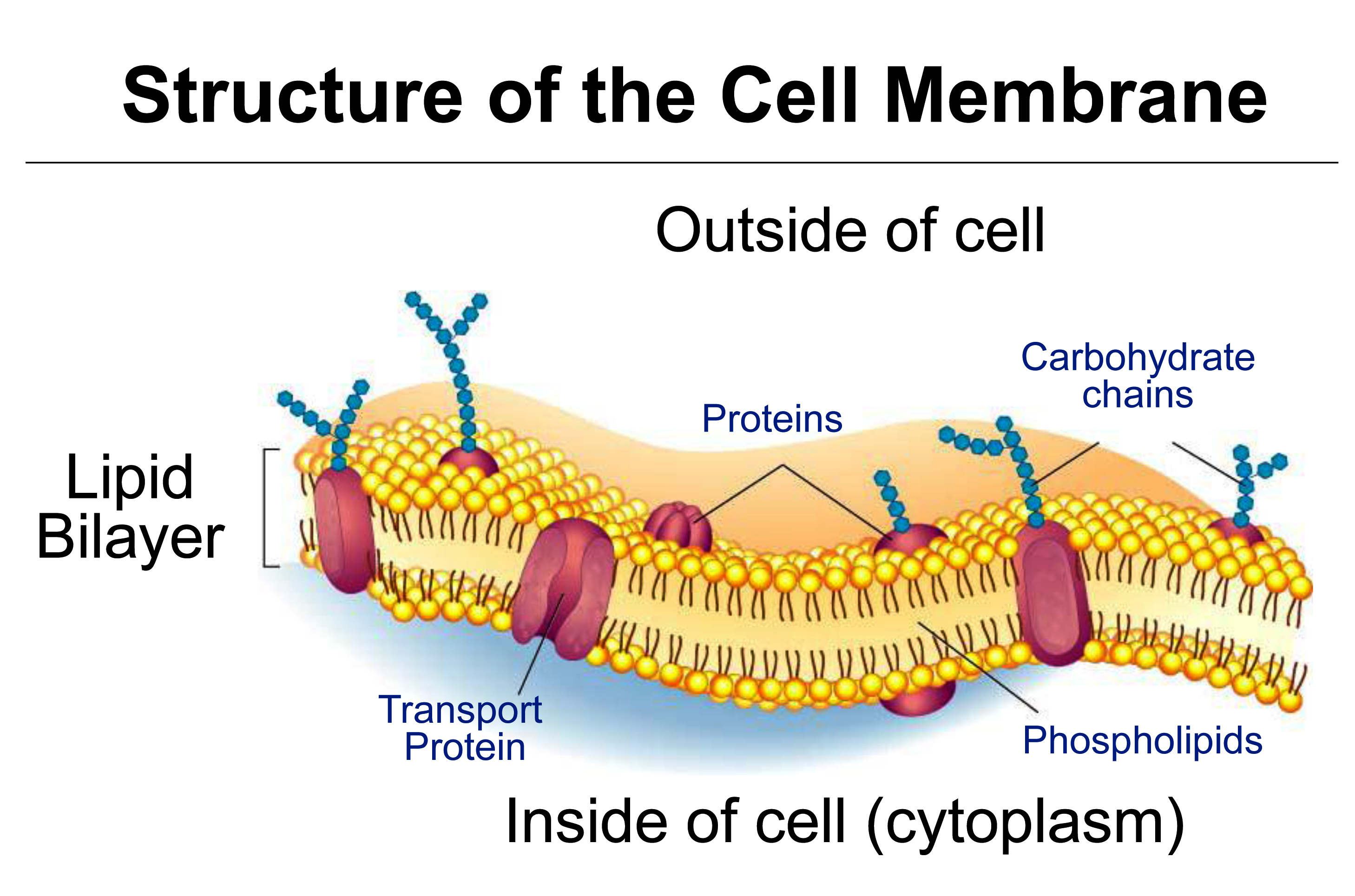
The cell membrane, also known as the plasma membrane, is a selective barrier that surrounds the cell. It regulates the movement of substances in and out of the cell, maintains the cell’s shape, and provides a platform for various cellular processes. The cell membrane is composed of a phospholipid bilayer with embedded proteins, carbohydrates, and other molecules.
The Cell Membrane Analogy
The cell membrane analogy often compares the cell membrane to a mosaic or a fluid mosaic model. This model, proposed by Singer and Nicolson in 1972, describes the cell membrane as a dynamic structure composed of various components that move freely within the membrane. The analogy helps to visualize the membrane as a flexible and adaptable barrier that can respond to changes in the cell’s environment.
Components of the Cell Membrane
The cell membrane is primarily composed of the following components:
- Phospholipids: These are the main structural components of the membrane, forming a bilayer with hydrophobic tails facing inward and hydrophilic heads facing outward.
- Proteins: Embedded within the phospholipid bilayer, proteins serve various functions such as transport, signaling, and structural support.
- Carbohydrates: Attached to the outer surface of the membrane, carbohydrates play a role in cell recognition and communication.
- Cholesterol: This molecule helps to maintain the fluidity and stability of the membrane.
Functions of the Cell Membrane
The cell membrane performs several critical functions that are essential for the survival and proper functioning of the cell. These functions include:
- Protection: The membrane acts as a barrier, protecting the cell from external threats and maintaining internal stability.
- Transport: It regulates the movement of substances in and out of the cell through various transport mechanisms such as diffusion, osmosis, and active transport.
- Communication: The membrane facilitates communication between cells through signaling molecules and receptors.
- Recognition: Carbohydrates on the membrane surface help in cell recognition, allowing cells to identify and interact with each other.
The Fluid Mosaic Model
The fluid mosaic model is a widely accepted cell membrane analogy that describes the membrane as a dynamic and fluid structure. This model highlights the following key points:
- Fluidity: The phospholipids and proteins within the membrane can move laterally, allowing the membrane to adapt to changes in the cell’s environment.
- Mosaic Nature: The membrane is composed of a diverse array of molecules, including phospholipids, proteins, and carbohydrates, arranged in a mosaic-like pattern.
- Asymmetry: The inner and outer layers of the membrane have different compositions, contributing to the membrane’s selective permeability.
Transport Mechanisms Across the Cell Membrane
The cell membrane regulates the movement of substances through various transport mechanisms. These mechanisms can be categorized into two main types: passive transport and active transport.
Passive Transport
Passive transport does not require energy and involves the movement of substances from an area of high concentration to an area of low concentration. Examples include:
- Diffusion: The movement of molecules from a region of high concentration to a region of low concentration.
- Osmosis: The movement of water molecules across a semipermeable membrane from a region of high water concentration to a region of low water concentration.
- Facilitated Diffusion: The movement of molecules across the membrane with the help of transport proteins.
Active Transport
Active transport requires energy and involves the movement of substances against their concentration gradient. Examples include:
- Active Transport Proteins: Proteins that use energy to move molecules across the membrane.
- Endocytosis: The process by which the cell membrane engulfs and internalizes large particles or molecules.
- Exocytosis: The process by which the cell membrane releases substances from the cell.
Cell Membrane Disorders
Disorders of the cell membrane can have significant impacts on cellular function and overall health. Some common cell membrane disorders include:
- Cystic Fibrosis: A genetic disorder caused by mutations in the CFTR protein, which affects chloride transport across the membrane.
- Sickle Cell Anemia: A genetic disorder that affects the shape and flexibility of red blood cells, leading to impaired membrane function.
- Muscular Dystrophy: A group of genetic disorders that affect muscle membrane integrity and function.
📝 Note: Understanding the cell membrane analogy and its components is crucial for comprehending the underlying mechanisms of these disorders and developing effective treatments.
Cell Membrane in Different Cell Types
The structure and function of the cell membrane can vary depending on the type of cell. For example:
| Cell Type | Cell Membrane Characteristics |
|---|---|
| Erythrocytes (Red Blood Cells) | Highly flexible membrane with a biconcave shape, allowing for efficient gas exchange. |
| Neurons | Specialized membrane with voltage-gated ion channels for electrical signaling. |
| Epithelial Cells | Tight junctions and adherens junctions that regulate permeability and maintain tissue integrity. |
Cell Membrane and Disease
The cell membrane plays a crucial role in various diseases, and understanding its function can provide insights into disease mechanisms and potential treatments. For instance:
- Cancer: Alterations in membrane proteins and lipids can contribute to uncontrolled cell growth and metastasis.
- Infectious Diseases: Pathogens often target the cell membrane to gain entry into the cell, leading to infection.
- Neurodegenerative Diseases: Dysfunction of membrane proteins can lead to impaired neuronal signaling and cell death.
📝 Note: Research into the cell membrane analogy and its role in disease has led to the development of targeted therapies and diagnostic tools.
Future Directions in Cell Membrane Research
Advances in technology and research methods have opened new avenues for studying the cell membrane. Some exciting areas of research include:
- Single-Molecule Imaging: Techniques that allow for the visualization and tracking of individual molecules within the membrane.
- Nanotechnology: The use of nanoscale materials to study and manipulate membrane properties.
- Computational Modeling: Simulations that provide insights into membrane dynamics and interactions at the molecular level.
These advancements hold promise for a deeper understanding of the cell membrane analogy and its role in health and disease, paving the way for innovative therapeutic strategies.
In conclusion, the cell membrane analogy is a powerful tool for understanding the complex structure and function of the cell membrane. By comparing the membrane to a mosaic or fluid mosaic model, we can gain insights into its dynamic nature and the various components that contribute to its functionality. This analogy not only aids in teaching and learning but also serves as a foundation for research into membrane-related disorders and diseases. As our knowledge of the cell membrane continues to grow, so too will our ability to develop effective treatments and therapies for a wide range of conditions.