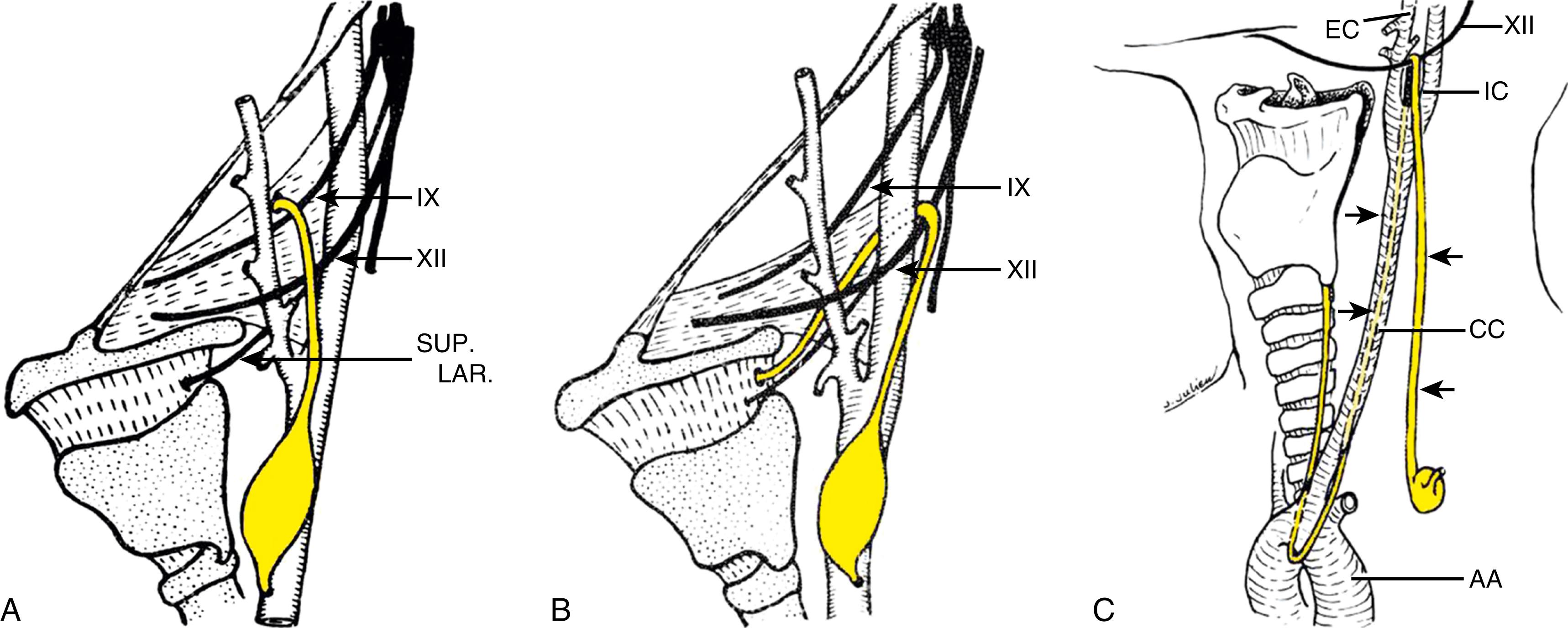
Branchial cleft fistulas are congenital anomalies that result from the incomplete obliteration of the branchial apparatus during embryonic development. These fistulas are typically located in the lateral aspect of the neck and can present with various symptoms, including recurrent infections, discharge, and swelling. Understanding the causes, symptoms, diagnosis, and treatment options for branchial cleft fistulas is crucial for effective management and patient care.
Understanding Branchial Cleft Fistulas
Branchial cleft fistulas are congenital malformations that occur due to the failure of the branchial apparatus to fully develop and close during fetal development. The branchial apparatus consists of a series of arches, clefts, and pouches that give rise to various structures in the head and neck region. When these structures do not properly close, they can result in fistulas, cysts, or sinuses.
There are four main types of branchial cleft anomalies, each corresponding to a different branchial cleft:
- First branchial cleft anomalies: These are rare and can be further classified into two types based on their relationship to the facial nerve.
- Second branchial cleft anomalies: These are the most common and typically present as a fistula or sinus tract in the lateral neck.
- Third branchial cleft anomalies: These are less common and usually present with recurrent throat infections.
- Fourth branchial cleft anomalies: These are the rarest and often present with recurrent thyroid infections.
Symptoms of Branchial Cleft Fistulas
The symptoms of branchial cleft fistulas can vary depending on the type and location of the anomaly. Common symptoms include:
- Recurrent infections in the neck or throat
- Discharge from the fistula opening
- Swelling or tenderness in the neck
- Pain or discomfort in the neck or throat
- Foul-smelling discharge from the fistula
In some cases, branchial cleft fistulas may remain asymptomatic and are discovered incidentally during imaging studies or physical examinations.
Diagnosis of Branchial Cleft Fistulas
The diagnosis of branchial cleft fistulas typically involves a combination of clinical examination, imaging studies, and sometimes surgical exploration. The diagnostic process may include:
- Physical examination: A thorough examination of the neck and throat to identify the fistula opening and any associated swelling or tenderness.
- Imaging studies: Ultrasound, computed tomography (CT), or magnetic resonance imaging (MRI) to visualize the fistula tract and assess its extent and relationship to surrounding structures.
- Contrast studies: Injection of contrast material into the fistula opening to delineate the tract and identify any branching or connections to other structures.
- Surgical exploration: In some cases, surgical exploration may be necessary to fully define the anatomy of the fistula and plan the appropriate treatment.
Treatment Options for Branchial Cleft Fistulas
The treatment of branchial cleft fistulas typically involves surgical excision of the fistula tract. The goal of surgery is to completely remove the fistula to prevent recurrent infections and complications. The surgical approach may vary depending on the type and location of the fistula. Common surgical techniques include:
- Cervical incision: A transverse incision in the neck to access and excise the fistula tract.
- Endoscopic-assisted excision: Use of endoscopic instruments to assist in the excision of the fistula tract, particularly for deeper or more complex fistulas.
- Transoral excision: Removal of the fistula tract through the mouth, typically used for fistulas involving the tonsillar fossa or pharynx.
In some cases, a combination of surgical techniques may be used to achieve complete excision of the fistula tract. Postoperative care typically involves wound care, pain management, and follow-up to monitor for recurrence or complications.
📝 Note: Surgical excision is the primary treatment for branchial cleft fistulas, but the specific approach may vary based on the individual case and the surgeon's expertise.
Complications and Recurrence
While surgical excision is generally effective in treating branchial cleft fistulas, complications and recurrence can occur. Potential complications include:
- Infection
- Bleeding
- Nerve injury
- Scarring
- Recurrence of the fistula
Recurrence of branchial cleft fistulas can occur if the entire fistula tract is not completely excised during surgery. Factors that may increase the risk of recurrence include:
- Incomplete excision of the fistula tract
- Inadequate postoperative care
- Underlying immune deficiencies or systemic diseases
To minimize the risk of recurrence, it is essential to ensure complete excision of the fistula tract during surgery and provide appropriate postoperative care and follow-up.
Prevention and Management
Preventing branchial cleft fistulas involves understanding the underlying genetic and developmental factors that contribute to their formation. While the exact causes are not fully understood, genetic counseling and prenatal screening may help identify individuals at higher risk. Management strategies for branchial cleft fistulas focus on early diagnosis and prompt treatment to prevent complications and improve outcomes.
Early diagnosis and treatment of branchial cleft fistulas are crucial for preventing recurrent infections and complications. Regular follow-up and monitoring are essential to detect any signs of recurrence or new fistulas. Patients with a history of branchial cleft fistulas should be educated about the importance of seeking prompt medical attention for any symptoms of infection or recurrence.
In some cases, patients may benefit from multidisciplinary care involving otolaryngologists, plastic surgeons, and other specialists to ensure comprehensive management and optimal outcomes.
Branchial cleft fistulas are congenital anomalies that can present with various symptoms and complications. Understanding the causes, symptoms, diagnosis, and treatment options for branchial cleft fistulas is essential for effective management and patient care. Early diagnosis and prompt treatment are crucial for preventing recurrent infections and complications. Regular follow-up and multidisciplinary care can help ensure optimal outcomes for patients with branchial cleft fistulas.
Branchial cleft fistulas are congenital anomalies that can present with various symptoms and complications. Understanding the causes, symptoms, diagnosis, and treatment options for branchial cleft fistulas is essential for effective management and patient care. Early diagnosis and prompt treatment are crucial for preventing recurrent infections and complications. Regular follow-up and multidisciplinary care can help ensure optimal outcomes for patients with branchial cleft fistulas.
Branchial cleft fistulas are congenital anomalies that can present with various symptoms and complications. Understanding the causes, symptoms, diagnosis, and treatment options for branchial cleft fistulas is essential for effective management and patient care. Early diagnosis and prompt treatment are crucial for preventing recurrent infections and complications. Regular follow-up and multidisciplinary care can help ensure optimal outcomes for patients with branchial cleft fistulas.
Branchial cleft fistulas are congenital anomalies that can present with various symptoms and complications. Understanding the causes, symptoms, diagnosis, and treatment options for branchial cleft fistulas is essential for effective management and patient care. Early diagnosis and prompt treatment are crucial for preventing recurrent infections and complications. Regular follow-up and multidisciplinary care can help ensure optimal outcomes for patients with branchial cleft fistulas.
Branchial cleft fistulas are congenital anomalies that can present with various symptoms and complications. Understanding the causes, symptoms, diagnosis, and treatment options for branchial cleft fistulas is essential for effective management and patient care. Early diagnosis and prompt treatment are crucial for preventing recurrent infections and complications. Regular follow-up and multidisciplinary care can help ensure optimal outcomes for patients with branchial cleft fistulas.
Branchial cleft fistulas are congenital anomalies that can present with various symptoms and complications. Understanding the causes, symptoms, diagnosis, and treatment options for branchial cleft fistulas is essential for effective management and patient care. Early diagnosis and prompt treatment are crucial for preventing recurrent infections and complications. Regular follow-up and multidisciplinary care can help ensure optimal outcomes for patients with branchial cleft fistulas.
Branchial cleft fistulas are congenital anomalies that can present with various symptoms and complications. Understanding the causes, symptoms, diagnosis, and treatment options for branchial cleft fistulas is essential for effective management and patient care. Early diagnosis and prompt treatment are crucial for preventing recurrent infections and complications. Regular follow-up and multidisciplinary care can help ensure optimal outcomes for patients with branchial cleft fistulas.
Branchial cleft fistulas are congenital anomalies that can present with various symptoms and complications. Understanding the causes, symptoms, diagnosis, and treatment options for branchial cleft fistulas is essential for effective management and patient care. Early diagnosis and prompt treatment are crucial for preventing recurrent infections and complications. Regular follow-up and multidisciplinary care can help ensure optimal outcomes for patients with branchial cleft fistulas.
Branchial cleft fistulas are congenital anomalies that can present with various symptoms and complications. Understanding the causes, symptoms, diagnosis, and treatment options for branchial cleft fistulas is essential for effective management and patient care. Early diagnosis and prompt treatment are crucial for preventing recurrent infections and complications. Regular follow-up and multidisciplinary care can help ensure optimal outcomes for patients with branchial cleft fistulas.
Branchial cleft fistulas are congenital anomalies that can present with various symptoms and complications. Understanding the causes, symptoms, diagnosis, and treatment options for branchial cleft fistulas is essential for effective management and patient care. Early diagnosis and prompt treatment are crucial for preventing recurrent infections and complications. Regular follow-up and multidisciplinary care can help ensure optimal outcomes for patients with branchial cleft fistulas.
Branchial cleft fistulas are congenital anomalies that can present with various symptoms and complications. Understanding the causes, symptoms, diagnosis, and treatment options for branchial cleft fistulas is essential for effective management and patient care. Early diagnosis and prompt treatment are crucial for preventing recurrent infections and complications. Regular follow-up and multidisciplinary care can help ensure optimal outcomes for patients with branchial cleft fistulas.
Branchial cleft fistulas are congenital anomalies that can present with various symptoms and complications. Understanding the causes, symptoms, diagnosis, and treatment options for branchial cleft fistulas is essential for effective management and patient care. Early diagnosis and prompt treatment are crucial for preventing recurrent infections and complications. Regular follow-up and multidisciplinary care can help ensure optimal outcomes for patients with branchial cleft fistulas.
Branchial cleft fistulas are congenital anomalies that can present with various symptoms and complications. Understanding the causes, symptoms, diagnosis, and treatment options for branchial cleft fistulas is essential for effective management and patient care. Early diagnosis and prompt treatment are crucial for preventing recurrent infections and complications. Regular follow-up and multidisciplinary care can help ensure optimal outcomes for patients with branchial cleft fistulas.
Branchial cleft fistulas are congenital anomalies that can present with various symptoms and complications. Understanding the causes, symptoms, diagnosis, and treatment options for branchial cleft fistulas is essential for effective management and patient care. Early diagnosis and prompt treatment are crucial for preventing recurrent infections and complications. Regular follow-up and multidisciplinary care can help ensure optimal outcomes for patients with branchial cleft fistulas.
Branchial cleft fistulas are congenital anomalies that can present with various symptoms and complications. Understanding the causes, symptoms, diagnosis, and treatment options for branchial cleft fistulas is essential for effective management and patient care. Early diagnosis and prompt treatment are crucial for preventing recurrent infections and complications. Regular follow-up and multidisciplinary care can help ensure optimal outcomes for patients with branchial cleft fistulas.
Branchial cleft fistulas are congenital anomalies that can present with various symptoms and complications. Understanding the causes, symptoms, diagnosis, and treatment options for branchial cleft fistulas is essential for effective management and patient care. Early diagnosis and prompt treatment are crucial for preventing recurrent infections and complications. Regular follow-up and multidisciplinary care can help ensure optimal outcomes for patients with branchial cleft fistulas.
Branchial cleft fistulas are congenital anomalies that can present with various symptoms and complications. Understanding the causes, symptoms, diagnosis, and treatment options for branchial cleft fistulas is essential for effective management and patient care. Early diagnosis and prompt treatment are crucial for preventing recurrent infections and complications. Regular follow-up and multidisciplinary care can help ensure optimal outcomes for patients with branchial cleft fistulas.
Branchial cleft fistulas are congenital anomalies that can present with various symptoms and complications. Understanding the causes, symptoms, diagnosis, and treatment options for branchial cleft fistulas is essential for effective management and patient care. Early diagnosis and prompt treatment are crucial for preventing recurrent infections and complications. Regular follow-up and multidisciplinary care can help ensure optimal outcomes for patients with branchial cleft fistulas.
Branchial cleft fistulas are congenital anomalies that can present with various symptoms and complications. Understanding the causes, symptoms, diagnosis, and treatment options for branchial cleft fistulas is essential for effective management and patient care. Early diagnosis and prompt treatment are crucial for preventing recurrent infections and complications. Regular follow-up and multidisciplinary care can help ensure optimal outcomes for patients with branchial cleft fistulas.
Branchial cleft fistulas are congenital anomalies that can present with various symptoms and complications. Understanding the causes, symptoms, diagnosis, and treatment options for branchial cleft fistulas is essential for effective management and patient care. Early diagnosis and prompt treatment are crucial for preventing recurrent infections and complications. Regular follow-up and multidisciplinary care can help ensure optimal outcomes for patients with branchial cleft fistulas.
Branchial cleft fistulas are congenital anomalies that can present with various symptoms and complications. Understanding the causes, symptoms, diagnosis, and treatment options for branchial cleft fistulas is essential for effective management and patient care. Early diagnosis and prompt treatment are crucial for preventing recurrent infections and complications. Regular follow-up and multidisciplinary care can help ensure optimal outcomes for patients with branchial cleft fistulas.
Branchial cleft fistulas are congenital anomalies that can present with various symptoms and complications. Understanding the causes, symptoms, diagnosis, and treatment options for branchial cleft fistulas is essential for effective management and patient care. Early diagnosis and prompt treatment are crucial for preventing recurrent infections and complications. Regular follow-up and multidisciplinary care can help ensure optimal outcomes for patients with branchial cleft fistulas.
Branchial cleft fistulas are congenital anomalies that can present with various symptoms and complications. Understanding the causes, symptoms, diagnosis, and treatment options for branchial cleft fistulas is essential for effective management and patient care. Early diagnosis and prompt treatment are crucial for preventing recurrent infections and complications. Regular follow-up and multidisciplinary care can help ensure optimal outcomes for patients with branchial cleft fistulas.
Branchial cleft fistulas are congenital anomalies that can present with various symptoms and complications. Understanding the causes, symptoms, diagnosis, and treatment options for branchial cleft fistulas is essential for effective management and patient care. Early diagnosis and prompt treatment are crucial for preventing recurrent infections and complications. Regular follow-up and multidisciplinary care can help ensure optimal outcomes for patients with branchial cleft fistulas.
Branchial cleft fistulas are congenital anomalies that can present with various symptoms and complications. Understanding the causes, symptoms, diagnosis, and treatment options for branchial cleft fistulas is essential for effective management and patient care. Early diagnosis and prompt treatment are crucial for preventing recurrent infections and complications. Regular follow-up and multidisciplinary care can help ensure optimal outcomes for patients with branchial cleft fistulas.
Branchial cleft fistulas are congenital anomalies that can present with various symptoms and complications. Understanding the causes, symptoms, diagnosis, and treatment options for branchial cleft fistulas is essential for effective management and patient care. Early diagnosis and prompt treatment are crucial for preventing recurrent infections and complications. Regular follow-up and multidisciplinary care can help ensure optimal outcomes for patients with branchial cleft fistulas.
Branchial cleft fistulas are congenital anomalies that can present with various symptoms and complications. Understanding the causes, symptoms, diagnosis, and treatment options for branchial cleft fistulas is essential for effective management and patient care. Early diagnosis and prompt treatment are crucial for preventing recurrent infections and complications. Regular follow-up and multidisciplinary care can help ensure optimal outcomes for patients with branchial cleft fistulas.
Branchial cleft fistulas are congenital anomalies that can present with various symptoms and complications. Understanding the causes, symptoms, diagnosis, and treatment options for branchial cleft fistulas is essential for effective management and patient care. Early diagnosis and prompt treatment are crucial for preventing recurrent infections and complications. Regular follow-up and multidisciplinary care can help ensure optimal outcomes for patients with branchial cleft fistulas.
Branchial cleft fistulas are congenital anomalies that can present with various symptoms and complications. Understanding the causes, symptoms, diagnosis, and treatment options for branchial cleft fistulas is essential for effective management and patient care. Early diagnosis and prompt treatment are crucial for preventing recurrent infections and complications. Regular follow-up and multidisciplinary care can help ensure optimal outcomes for patients with branchial cleft fistulas.
Branchial cleft fistulas are congenital anomalies that can present with various symptoms and complications. Understanding the causes, symptoms, diagnosis, and treatment options for branchial cleft fistulas is essential for effective management and patient care. Early diagnosis and prompt treatment are crucial for preventing recurrent infections and complications. Regular follow-up and multidisciplinary care can help ensure optimal outcomes for patients with branchial cleft fistulas.
Branchial cleft fistulas are congenital anomalies that can present with various symptoms and complications. Understanding the causes, symptoms, diagnosis, and treatment options for branchial cleft fistulas is essential for effective management and patient care. Early diagnosis and prompt treatment are crucial for preventing recurrent infections and complications. Regular follow-up and multidisciplinary care can help ensure optimal outcomes for patients with branchial cleft fistulas.
Branchial cleft fistulas are congenital anomalies that can present with various symptoms and complications. Understanding the causes, symptoms, diagnosis, and treatment options for branchial cleft fistulas is essential for effective management and patient care. Early diagnosis and prompt treatment are crucial for preventing recurrent infections and complications. Regular follow-up and multidisciplinary care can help ensure optimal outcomes for patients with branchial cleft fistulas.
Branchial cleft fistulas are congenital anomalies that can present with various symptoms and complications. Understanding the causes, symptoms, diagnosis, and treatment options for branchial cleft fistulas is essential for effective management and patient care. Early diagnosis and prompt treatment are crucial for preventing recurrent infections and complications. Regular follow-up and multidisciplinary care can help ensure optimal outcomes for patients with branchial cleft fistulas.
Branchial cleft fistulas are congenital anomalies that can present with various symptoms and complications. Understanding the causes, symptoms, diagnosis, and treatment options for branchial cleft fistulas is essential for effective management and patient care. Early diagnosis and prompt treatment are crucial for preventing recurrent infections and complications. Regular follow-up and multidisciplinary care can help ensure optimal outcomes for patients with branchial cleft fistulas.
Branchial cleft fistulas are congenital anomalies that can present with various symptoms and complications. Understanding the causes, symptoms, diagnosis, and treatment options for branchial cleft fistulas is essential for effective management and patient care. Early diagnosis and prompt treatment are crucial for preventing recurrent infections and complications. Regular follow-up and multidisciplinary care can help ensure optimal outcomes for patients with branchial cleft fistulas.
Branchial cleft fistulas are congenital anomalies that can present with various symptoms and complications. Understanding the causes, symptoms, diagnosis, and treatment options for branchial cleft fistulas is essential for effective management and patient care. Early diagnosis and prompt treatment are crucial for preventing recurrent infections and complications. Regular follow-up and multidisciplinary care can help ensure optimal outcomes for patients with branchial cleft fistulas.
Branchial cleft fistulas are congenital anomalies that can present with various symptoms and complications. Understanding the causes, symptoms, diagnosis, and treatment options for branchial cleft fistulas is essential for effective management and patient care. Early diagnosis and prompt treatment are crucial for preventing recurrent infections and complications. Regular follow-up and multidisciplinary care can help ensure optimal outcomes for patients with branchial cleft fistulas.
Branchial cleft fistulas are congenital anomalies that can present with various symptoms and complications. Understanding the causes, symptoms, diagnosis, and treatment options for branchial cleft fistulas is
Related Terms:
- branchial cleft fistula icd 10
- branchial cleft cyst
- what is the branchial cleft
- branchial cleft fistula surgery
- second branchial cleft fistula
- branchial cleft fistula radiology