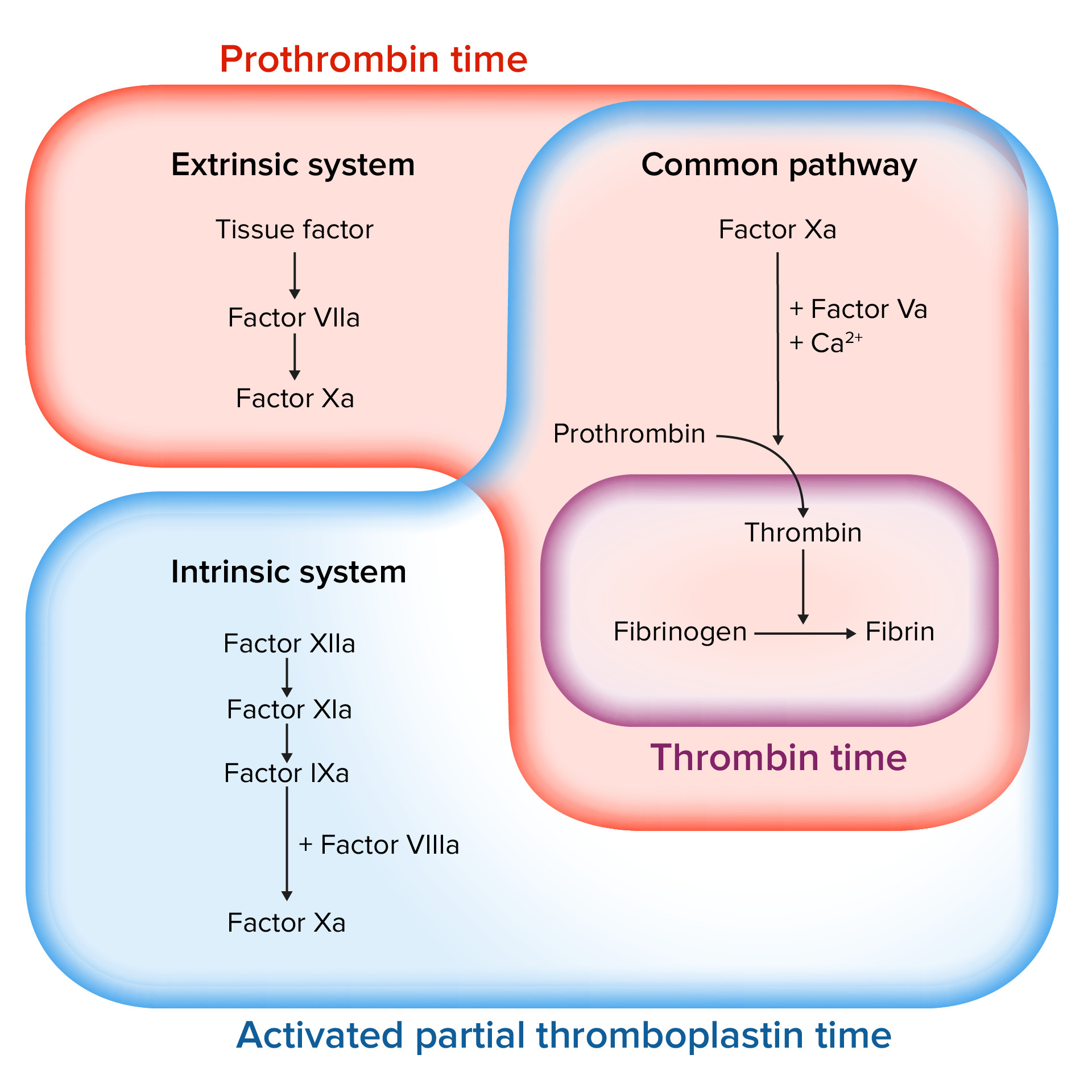
The human body is a marvel of biological engineering, with intricate systems working in harmony to maintain health and functionality. One of the most critical processes that ensure our survival is the Blood Clotting Cascade, a complex series of reactions that prevent excessive bleeding when a blood vessel is injured. This cascade involves a series of proteins, known as clotting factors, which work together to form a blood clot. Understanding the Blood Clotting Cascade is essential for comprehending various medical conditions and treatments related to coagulation.
The Basics of the Blood Clotting Cascade
The Blood Clotting Cascade can be divided into two main pathways: the intrinsic pathway and the extrinsic pathway. These pathways converge to form a common pathway that ultimately leads to the formation of a blood clot. The intrinsic pathway is initiated by factors within the blood, while the extrinsic pathway is triggered by tissue factor released from damaged cells.
The Intrinsic Pathway
The intrinsic pathway, also known as the contact activation pathway, is initiated when blood comes into contact with negatively charged surfaces, such as collagen exposed by damaged blood vessels. This pathway involves several clotting factors, including Factor XII, Factor XI, Factor IX, and Factor VIII. The sequence of events in the intrinsic pathway is as follows:
- Factor XII is activated to Factor XIIa upon contact with a negatively charged surface.
- Factor XIIa activates Factor XI to Factor XIa.
- Factor XIa activates Factor IX to Factor IXa.
- Factor IXa, in the presence of Factor VIIIa, calcium, and phospholipids, activates Factor X to Factor Xa.
The Extrinsic Pathway
The extrinsic pathway is initiated by tissue factor, a protein released from damaged cells. Tissue factor binds to Factor VII, forming a complex that activates Factor X. The extrinsic pathway is generally faster than the intrinsic pathway and plays a crucial role in the initial response to injury. The sequence of events in the extrinsic pathway is as follows:
- Tissue factor binds to Factor VII, forming a tissue factor-Factor VII complex.
- The tissue factor-Factor VII complex activates Factor X to Factor Xa.
The Common Pathway
Both the intrinsic and extrinsic pathways converge at the activation of Factor X to Factor Xa. The common pathway involves the following steps:
- Factor Xa, in the presence of Factor Va, calcium, and phospholipids, converts prothrombin (Factor II) to thrombin (Factor IIa).
- Thrombin converts fibrinogen (Factor I) to fibrin, which forms a mesh-like structure that traps platelets and other blood cells, creating a blood clot.
- Thrombin also activates Factor XIII, which stabilizes the fibrin clot by cross-linking fibrin strands.
Regulation of the Blood Clotting Cascade
The Blood Clotting Cascade is tightly regulated to prevent excessive clotting, which can lead to thrombosis and other complications. Several mechanisms ensure that the clotting process is controlled:
- Antithrombin: A protein that inhibits thrombin and other serine proteases involved in the clotting cascade.
- Protein C and Protein S: Proteins that inactivate Factors Va and VIIIa, reducing the activity of the clotting cascade.
- Tissue Factor Pathway Inhibitor (TFPI): A protein that inhibits the tissue factor-Factor VII complex, preventing excessive activation of the extrinsic pathway.
Clinical Implications of the Blood Clotting Cascade
Understanding the Blood Clotting Cascade is crucial for diagnosing and treating various medical conditions related to coagulation. Disorders of the clotting cascade can lead to either excessive bleeding or excessive clotting. Some common conditions include:
- Hemophilia: A genetic disorder characterized by a deficiency in Factor VIII (Hemophilia A) or Factor IX (Hemophilia B), leading to prolonged bleeding.
- Von Willebrand Disease: A disorder caused by a deficiency or dysfunction of von Willebrand factor, which helps platelets adhere to the site of injury.
- Thrombophilia: A condition that increases the risk of blood clots, often due to genetic mutations or acquired factors.
Diagnostic Tests for Blood Clotting Disorders
Several diagnostic tests are available to evaluate the Blood Clotting Cascade and identify disorders. These tests include:
- Prothrombin Time (PT): Measures the activity of the extrinsic and common pathways.
- Activated Partial Thromboplastin Time (aPTT): Measures the activity of the intrinsic and common pathways.
- Thrombin Time (TT): Measures the conversion of fibrinogen to fibrin by thrombin.
- Factor Assays: Specific tests to measure the activity of individual clotting factors.
📝 Note: Diagnostic tests should be interpreted by healthcare professionals who are trained in hematology and coagulation disorders.
Treatment of Blood Clotting Disorders
Treatment of blood clotting disorders depends on the specific condition and its severity. Common treatments include:
- Factor Replacement Therapy: Administration of the deficient clotting factor to correct the deficiency.
- Anticoagulants: Medications that prevent the formation of blood clots, such as warfarin, heparin, and direct oral anticoagulants (DOACs).
- Antiplatelet Agents: Medications that inhibit platelet aggregation, such as aspirin and clopidogrel.
- Fibrinolytics: Medications that dissolve blood clots, such as tissue plasminogen activator (tPA).
Future Directions in Blood Clotting Research
Research in the field of blood clotting is ongoing, with a focus on developing new therapies and improving existing treatments. Some areas of active research include:
- Gene Therapy: Developing gene therapies to correct genetic mutations that cause clotting disorders.
- Novel Anticoagulants: Exploring new anticoagulant drugs with improved safety and efficacy profiles.
- Personalized Medicine: Tailoring treatments to individual patients based on their genetic and clinical characteristics.
In addition to these areas, researchers are also investigating the role of the Blood Clotting Cascade in other medical conditions, such as cancer and inflammatory diseases. Understanding the complex interactions between clotting factors and other biological systems may lead to new insights and therapies for these conditions.
In conclusion, the Blood Clotting Cascade is a critical process that ensures the body’s ability to stop bleeding and maintain hemostasis. Understanding the intricate details of this cascade is essential for diagnosing and treating various coagulation disorders. As research continues to uncover new aspects of the Blood Clotting Cascade, we can expect to see advancements in the management of these conditions, ultimately improving patient outcomes and quality of life.
Related Terms:
- blood clotting cascade simplified
- coagulation cascade
- blood clotting cascade meaning
- clotting cascade for dummies
- 13 blood clotting factors list
- human blood clotting cascade