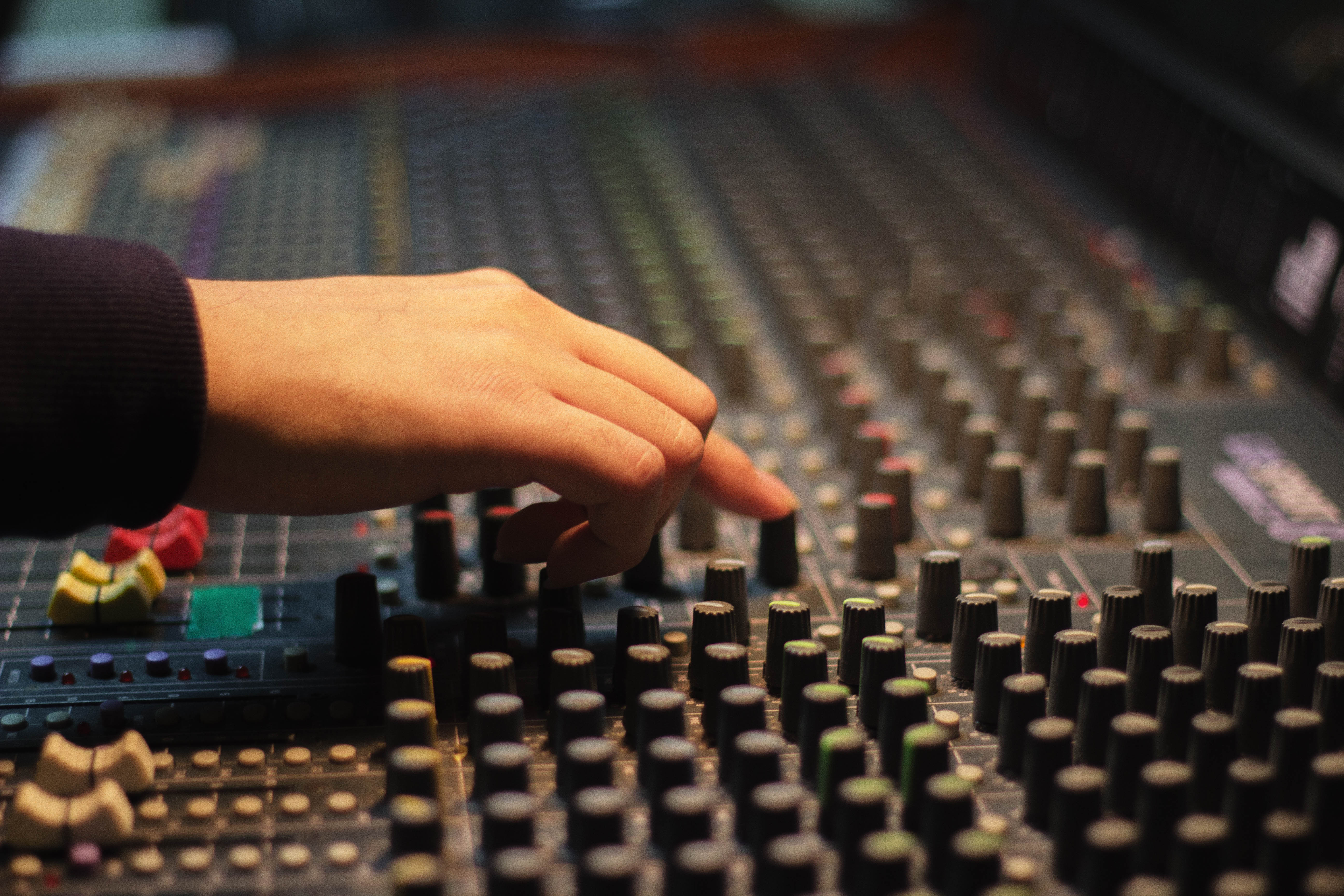
Embarking on a journey in the field of audio technology can be both exciting and challenging. An Audio Technology Degree opens doors to a world where sound engineering, music production, and acoustic design converge. This degree equips students with the skills and knowledge necessary to thrive in the dynamic and ever-evolving audio industry. Whether you aspire to work in recording studios, live sound production, or film and television, an Audio Technology Degree provides a solid foundation.
Understanding Audio Technology
Audio technology encompasses a broad range of disciplines, including the design, development, and application of audio equipment and systems. It involves understanding the principles of sound, acoustics, and electronics. Students pursuing an Audio Technology Degree delve into subjects such as digital audio processing, signal theory, and audio system design. These foundational courses prepare students to tackle real-world challenges in the audio industry.
Curriculum Overview
The curriculum for an Audio Technology Degree is designed to be comprehensive and hands-on. It typically includes a mix of theoretical coursework and practical training. Here are some key components of the curriculum:
- Digital Audio Workstations (DAWs): Students learn to use industry-standard software like Pro Tools, Logic Pro, and Ableton Live to create, edit, and mix audio.
- Acoustics and Psychoacoustics: These courses cover the science of sound and how it is perceived by the human ear, essential for designing optimal listening environments.
- Electronics and Circuit Design: Understanding the basics of electronics is crucial for troubleshooting and designing audio equipment.
- Music Production: This involves the creative aspects of audio technology, including composition, arrangement, and mixing.
- Live Sound Reinforcement: Students learn to set up and operate sound systems for live performances, ensuring high-quality audio for audiences.
Career Opportunities
Graduates with an Audio Technology Degree have a wide range of career opportunities. The skills acquired during the program are highly transferable and in demand across various industries. Some of the most common career paths include:
- Sound Engineer: Responsible for recording, mixing, and reproducing sound for music, film, television, and live events.
- Music Producer: Oversees the creative process of recording and producing music, working closely with artists and musicians.
- Audio Post-Production Specialist: Focuses on the audio aspects of film and television post-production, including sound effects, dialogue editing, and mixing.
- Acoustic Consultant: Specializes in designing and optimizing acoustic environments for studios, theaters, and other venues.
- Live Sound Technician: Sets up and operates sound systems for concerts, festivals, and other live events.
Additionally, graduates can explore roles in audio equipment manufacturing, broadcast engineering, and even in the emerging field of virtual and augmented reality audio.
Important Skills for Audio Technologists
To excel in the field of audio technology, certain skills are essential. These skills are often developed through a combination of coursework, hands-on training, and real-world experience. Some of the key skills include:
- Technical Proficiency: A deep understanding of audio equipment, software, and systems is crucial. This includes knowledge of DAWs, audio interfaces, microphones, and mixing consoles.
- Creative Problem-Solving: The ability to think creatively and solve problems is essential for troubleshooting technical issues and finding innovative solutions.
- Attention to Detail: Precision is key in audio technology, whether it's setting up a sound system or editing audio tracks. Attention to detail ensures high-quality results.
- Communication Skills: Effective communication is vital for collaborating with artists, producers, and other professionals in the industry.
- Adaptability: The audio industry is constantly evolving, and being adaptable to new technologies and trends is important for long-term success.
These skills, combined with a strong educational foundation, prepare graduates to tackle the challenges and opportunities in the audio industry.
The Role of Technology in Audio Production
Technology plays a pivotal role in modern audio production. Advances in digital audio processing, software, and hardware have revolutionized the way audio is created, recorded, and distributed. Students pursuing an Audio Technology Degree gain hands-on experience with the latest tools and technologies, ensuring they are well-prepared for the industry.
Some of the key technologies in audio production include:
- Digital Audio Workstations (DAWs): Software like Pro Tools, Logic Pro, and Ableton Live are essential for recording, editing, and mixing audio.
- Audio Interfaces: These devices connect microphones, instruments, and other audio sources to a computer, enabling high-quality recording.
- Microphones: Different types of microphones are used for various applications, from vocal recording to capturing ambient sounds.
- Mixing Consoles: Both analog and digital mixing consoles are used to control and manipulate audio signals during live performances and studio recordings.
- Plug-ins and Effects: Software plug-ins and effects processors enhance audio tracks with reverb, compression, EQ, and other effects.
Understanding and mastering these technologies is a core component of an Audio Technology Degree program.
Hands-On Experience and Internships
Practical experience is invaluable in the field of audio technology. Many Audio Technology Degree programs offer hands-on training through labs, studios, and internships. These opportunities allow students to apply their knowledge in real-world settings, gaining practical skills and industry connections.
Internships, in particular, provide a unique chance to work alongside professionals in the field. Students can intern at recording studios, live sound companies, and post-production facilities. These experiences not only enhance their resumes but also provide a glimpse into the day-to-day operations of the industry.
Some of the benefits of hands-on experience and internships include:
- Developing practical skills and techniques.
- Building a professional network.
- Gaining industry insights and trends.
- Enhancing problem-solving and troubleshooting abilities.
📝 Note: Many programs require students to complete a certain number of internship hours or practical projects to graduate. It's important to take advantage of these opportunities to gain as much experience as possible.
The Future of Audio Technology
The field of audio technology is continually evolving, driven by advancements in digital technology and changing consumer preferences. Emerging trends and technologies are shaping the future of audio production and consumption. Some of the key trends to watch include:
- Virtual and Augmented Reality Audio: As VR and AR technologies become more prevalent, the demand for immersive audio experiences is growing. Audio technologists are developing new techniques and technologies to create realistic and engaging soundscapes.
- Artificial Intelligence and Machine Learning: AI and machine learning are being used to enhance audio production, from automated mixing and mastering to intelligent sound design.
- Spatial Audio: Spatial audio technologies, such as Dolby Atmos and DTS:X, provide a more immersive listening experience by placing sounds in a three-dimensional space.
- Streaming and Cloud-Based Solutions: The rise of streaming services has changed how audio content is distributed and consumed. Cloud-based audio production tools and platforms are becoming more popular, offering flexibility and accessibility.
Graduates with an Audio Technology Degree are well-positioned to capitalize on these trends and contribute to the future of audio technology.
Choosing the Right Program
Selecting the right Audio Technology Degree program is crucial for your career success. There are several factors to consider when choosing a program, including:
- Curriculum and Course Offerings: Ensure the program covers a wide range of topics and provides hands-on training.
- Faculty and Industry Connections: Look for programs with experienced faculty and strong industry connections.
- Facilities and Equipment: Access to state-of-the-art studios, labs, and equipment is essential for practical training.
- Internship Opportunities: Programs that offer internships and practical experience can provide valuable industry exposure.
- Accreditation and Reputation: Choose a program that is accredited and has a good reputation in the industry.
Researching different programs and speaking with alumni can provide valuable insights into the quality and effectiveness of the education offered.
Certifications and Continuing Education
In addition to a degree, obtaining certifications and pursuing continuing education can enhance your career prospects. Certifications demonstrate your expertise and commitment to the field, making you more competitive in the job market. Some popular certifications in audio technology include:
- Avid Certified Pro Tools User: This certification validates your skills in using Pro Tools, a widely-used DAW in the industry.
- Apple Certified Pro - Logic Pro: This certification demonstrates your proficiency in using Logic Pro, another popular DAW.
- Certified Audio Engineer (CAE): Offered by the Audio Engineering Society, this certification recognizes your expertise in audio engineering.
Continuing education is also important for staying current with the latest technologies and trends. Many institutions offer workshops, seminars, and online courses to help professionals stay updated.
Some of the benefits of certifications and continuing education include:
- Enhancing your resume and career prospects.
- Staying current with industry trends and technologies.
- Networking with other professionals in the field.
- Gaining specialized knowledge and skills.
📝 Note: Many certifications require passing an exam or completing a project. Be prepared to invest time and effort into earning these credentials.
Building a Portfolio
A strong portfolio is essential for showcasing your skills and attracting potential employers. As you progress through your Audio Technology Degree program, start building a portfolio that highlights your best work. Include a variety of projects, such as:
- Recording and mixing projects.
- Live sound reinforcement setups.
- Audio post-production work.
- Original compositions and arrangements.
Your portfolio should demonstrate your technical skills, creativity, and problem-solving abilities. It should also be well-organized and easy to navigate, making it simple for potential employers to review your work.
Some tips for building a strong portfolio include:
- Choose your best work and showcase it prominently.
- Include a variety of projects to demonstrate your versatility.
- Provide context and descriptions for each project.
- Keep your portfolio up-to-date with your latest work.
Your portfolio is a reflection of your skills and abilities, so take the time to create a high-quality, professional presentation.
Here is a sample table of what a portfolio might include:
| Project Type | Description | Skills Demonstrated |
|---|---|---|
| Recording and Mixing | A multi-track recording of a band performance, including mixing and mastering. | Microphone placement, signal processing, mixing techniques. |
| Live Sound Reinforcement | Setup and operation of a sound system for a live concert. | Sound system design, troubleshooting, live mixing. |
| Audio Post-Production | Sound design and mixing for a short film. | Sound effects, dialogue editing, mixing techniques. |
| Original Composition | A piece of original music composed and produced in a DAW. | Composition, arrangement, production techniques. |
Including a diverse range of projects in your portfolio will help you stand out to potential employers and showcase your versatility as an audio technologist.
In conclusion, pursuing an Audio Technology Degree opens up a world of opportunities in the dynamic and exciting field of audio technology. From recording studios to live sound production, the skills and knowledge gained through this degree are invaluable. By understanding the curriculum, gaining hands-on experience, and staying current with industry trends, graduates are well-prepared to thrive in the audio industry. Whether you aspire to be a sound engineer, music producer, or acoustic consultant, an Audio Technology Degree provides the foundation for a successful career in audio technology.
Related Terms:
- audio technology courses
- audio technology graduate programs
- audio technology programs
- american university audio technology programs
- audio engineering technology
- audio technology masters programs