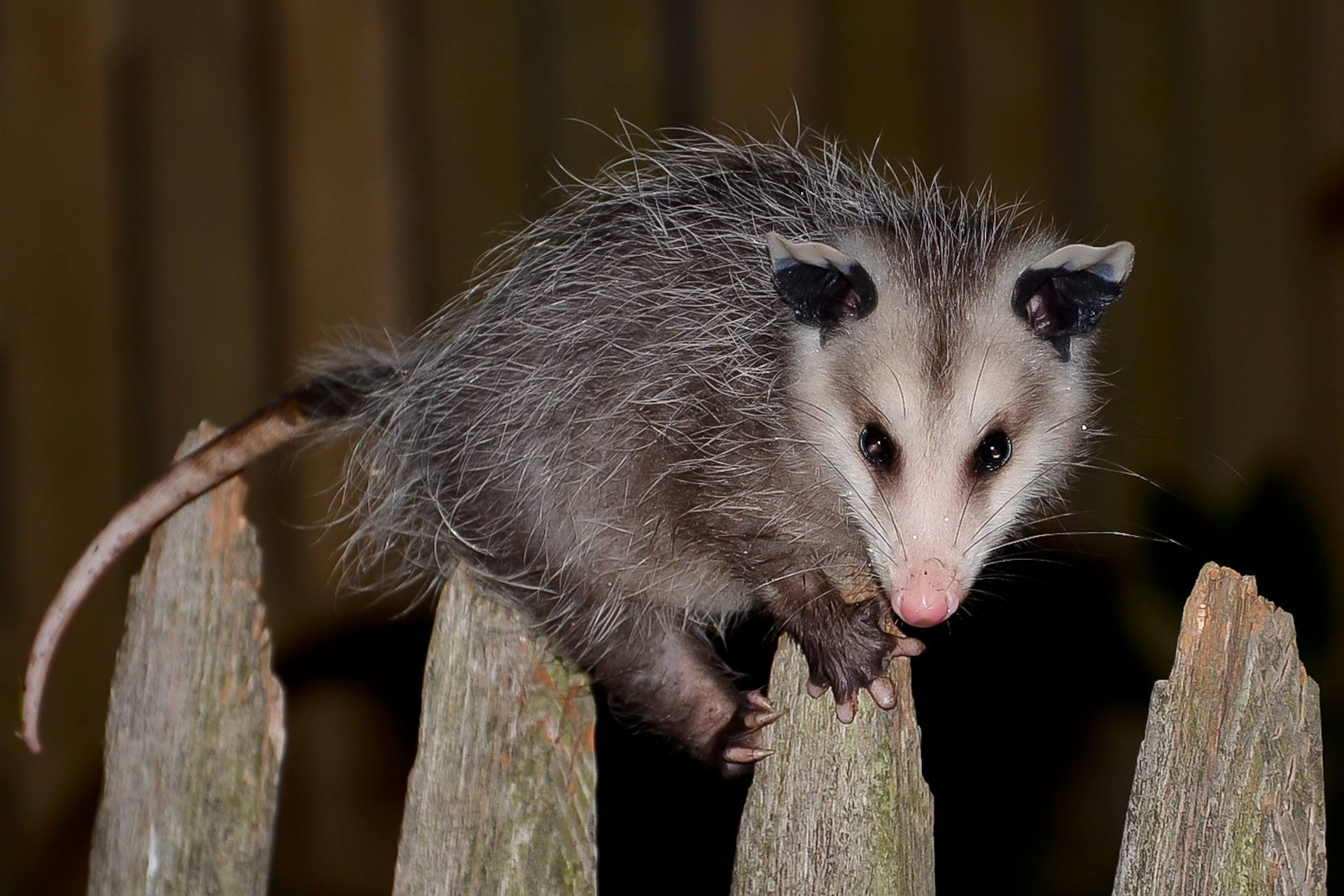
Opossums are fascinating creatures that often spark curiosity and misconceptions among people. One of the most common questions is, "Are opossums rodents?" This question arises because opossums share some physical characteristics with rodents, but the answer is far more complex than it seems. Understanding the classification of opossums requires delving into their biological characteristics, evolutionary history, and ecological roles.
Understanding Opossums
Opossums are marsupials, which means they belong to the same group of mammals as kangaroos and koalas. Marsupials are characterized by their unique reproductive strategy, where the young are born at a very early stage of development and continue to grow in a pouch on the mother's belly. This is a stark contrast to rodents, which are placental mammals and give birth to more developed young.
There are several species of opossums, but the most well-known is the Virginia opossum (*Didelphis virginiana*), which is native to North America. Opossums are known for their adaptability and can thrive in a variety of habitats, including forests, urban areas, and even agricultural lands. Their omnivorous diet, which includes insects, small animals, fruits, and carrion, contributes to their ecological versatility.
Are Opossums Rodents?
The question "Are opossums rodents?" often arises due to their physical similarities with rodents. Both opossums and rodents have long, pointed snouts, small ears, and a scaly tail. However, these similarities are superficial and do not reflect their true biological classification. Opossums are not rodents; they are marsupials. This distinction is crucial for understanding their biology, behavior, and ecological roles.
To clarify the differences, let's compare some key characteristics:
| Characteristic | Opossums | Rodents |
|---|---|---|
| Reproductive Strategy | Marsupials (young develop in a pouch) | Placental mammals (young develop in the womb) |
| Diet | Omnivorous (insects, small animals, fruits, carrion) | Varies by species (herbivorous, omnivorous, carnivorous) |
| Habitat | Adaptable (forests, urban areas, agricultural lands) | Varies by species (burrows, trees, water) |
| Behavior | Nocturnal, solitary | Varies by species (diurnal, nocturnal, social, solitary) |
These differences highlight why opossums are not classified as rodents. Their unique reproductive strategy and ecological adaptations set them apart from rodents, despite some superficial similarities.
Evolutionary History of Opossums
Opossums have a rich evolutionary history that dates back millions of years. They are one of the oldest groups of mammals, with fossils dating back to the Cretaceous period. This ancient lineage has allowed opossums to evolve a wide range of adaptations that have enabled them to survive in diverse environments.
One of the most notable adaptations of opossums is their immune system. Opossums have a unique immune response that makes them resistant to many diseases, including rabies and snake venom. This resistance is due to their ability to enter a state of temporary paralysis, known as "playing possum," when threatened. This adaptation helps them avoid predators and recover from injuries.
Another fascinating aspect of opossum evolution is their role in controlling pest populations. Opossums are known to feed on a variety of pests, including ticks, which are vectors for diseases like Lyme disease. By consuming large numbers of ticks, opossums help reduce the spread of these diseases in their ecosystems.
🐾 Note: The role of opossums in controlling pest populations is an important ecological service that benefits both humans and other wildlife.
Ecological Roles of Opossums
Opossums play a crucial role in their ecosystems as both predators and prey. Their omnivorous diet allows them to consume a wide range of food sources, including insects, small animals, fruits, and carrion. This diet helps them maintain a balanced ecosystem by controlling pest populations and recycling nutrients.
As prey, opossums are an important food source for a variety of predators, including birds of prey, coyotes, and foxes. Their presence in an ecosystem helps support the food web and maintain biodiversity. Additionally, opossums are known to be resistant to many diseases, which makes them a valuable part of the ecosystem in terms of disease control.
Opossums are also known for their ability to adapt to human-modified environments. They can thrive in urban and suburban areas, where they often take advantage of human food sources and shelter. This adaptability has allowed opossums to expand their range and become one of the most widespread marsupials in the Americas.
🌳 Note: The adaptability of opossums to human-modified environments highlights their resilience and ecological importance.
Myths and Misconceptions About Opossums
Despite their ecological importance, opossums are often misunderstood and misrepresented. One of the most common myths is that opossums are aggressive and dangerous. In reality, opossums are generally shy and non-aggressive animals that prefer to avoid confrontation. They will only become aggressive if they feel threatened or cornered.
Another misconception is that opossums are carriers of diseases. While opossums can carry some diseases, they are generally resistant to many common diseases, including rabies. Their unique immune system makes them less likely to transmit diseases to humans or other animals.
Opossums are also often portrayed as pests, but this is far from the truth. Their role in controlling pest populations and recycling nutrients makes them a valuable part of the ecosystem. By understanding the true nature of opossums, we can appreciate their ecological importance and work to protect them.
Opossums are often seen as solitary animals, but they do have social interactions, especially during mating season. Males and females come together for mating, and females care for their young in a pouch. This social behavior is an important part of their reproductive strategy and helps ensure the survival of their offspring.
Opossums are also known for their unique defense mechanism of "playing possum." When threatened, opossums can enter a state of temporary paralysis, during which they appear to be dead. This adaptation helps them avoid predators and recover from injuries. However, this behavior is not always effective, and opossums can still be harmed or killed by predators.
Opossums are also known for their ability to climb trees. They have a prehensile tail that allows them to grip branches and move through the canopy with ease. This adaptation helps them escape predators and find food in the treetops.
Opossums are also known for their ability to swim. They have webbed feet that allow them to swim efficiently and escape predators in water. This adaptation helps them survive in a variety of habitats, including wetlands and coastal areas.
Opossums are also known for their ability to adapt to different climates. They can survive in a range of temperatures and habitats, from the cold forests of Canada to the hot deserts of Mexico. This adaptability has allowed opossums to expand their range and become one of the most widespread marsupials in the Americas.
Opossums are also known for their ability to adapt to human-modified environments. They can thrive in urban and suburban areas, where they often take advantage of human food sources and shelter. This adaptability has allowed opossums to expand their range and become one of the most widespread marsupials in the Americas.
Opossums are also known for their ability to adapt to different diets. They are omnivorous and can consume a wide range of food sources, including insects, small animals, fruits, and carrion. This adaptability has allowed opossums to survive in a variety of habitats and maintain a balanced ecosystem.
Opossums are also known for their ability to adapt to different predators. They have a variety of defense mechanisms, including "playing possum," climbing trees, and swimming. These adaptations help them survive in a variety of habitats and maintain a balanced ecosystem.
Opossums are also known for their ability to adapt to different diseases. They have a unique immune system that makes them resistant to many common diseases, including rabies. This adaptability has allowed opossums to survive in a variety of habitats and maintain a balanced ecosystem.
Opossums are also known for their ability to adapt to different habitats. They can thrive in a variety of environments, from forests and wetlands to urban and suburban areas. This adaptability has allowed opossums to expand their range and become one of the most widespread marsupials in the Americas.
Opossums are also known for their ability to adapt to different climates. They can survive in a range of temperatures and habitats, from the cold forests of Canada to the hot deserts of Mexico. This adaptability has allowed opossums to expand their range and become one of the most widespread marsupials in the Americas.
Opossums are also known for their ability to adapt to different predators. They have a variety of defense mechanisms, including "playing possum," climbing trees, and swimming. These adaptations help them survive in a variety of habitats and maintain a balanced ecosystem.
Opossums are also known for their ability to adapt to different diseases. They have a unique immune system that makes them resistant to many common diseases, including rabies. This adaptability has allowed opossums to survive in a variety of habitats and maintain a balanced ecosystem.
Opossums are also known for their ability to adapt to different habitats. They can thrive in a variety of environments, from forests and wetlands to urban and suburban areas. This adaptability has allowed opossums to expand their range and become one of the most widespread marsupials in the Americas.
Opossums are also known for their ability to adapt to different climates. They can survive in a range of temperatures and habitats, from the cold forests of Canada to the hot deserts of Mexico. This adaptability has allowed opossums to expand their range and become one of the most widespread marsupials in the Americas.
Opossums are also known for their ability to adapt to different predators. They have a variety of defense mechanisms, including "playing possum," climbing trees, and swimming. These adaptations help them survive in a variety of habitats and maintain a balanced ecosystem.
Opossums are also known for their ability to adapt to different diseases. They have a unique immune system that makes them resistant to many common diseases, including rabies. This adaptability has allowed opossums to survive in a variety of habitats and maintain a balanced ecosystem.
Opossums are also known for their ability to adapt to different habitats. They can thrive in a variety of environments, from forests and wetlands to urban and suburban areas. This adaptability has allowed opossums to expand their range and become one of the most widespread marsupials in the Americas.
Opossums are also known for their ability to adapt to different climates. They can survive in a range of temperatures and habitats, from the cold forests of Canada to the hot deserts of Mexico. This adaptability has allowed opossums to expand their range and become one of the most widespread marsupials in the Americas.
Opossums are also known for their ability to adapt to different predators. They have a variety of defense mechanisms, including "playing possum," climbing trees, and swimming. These adaptations help them survive in a variety of habitats and maintain a balanced ecosystem.
Opossums are also known for their ability to adapt to different diseases. They have a unique immune system that makes them resistant to many common diseases, including rabies. This adaptability has allowed opossums to survive in a variety of habitats and maintain a balanced ecosystem.
Opossums are also known for their ability to adapt to different habitats. They can thrive in a variety of environments, from forests and wetlands to urban and suburban areas. This adaptability has allowed opossums to expand their range and become one of the most widespread marsupials in the Americas.
Opossums are also known for their ability to adapt to different climates. They can survive in a range of temperatures and habitats, from the cold forests of Canada to the hot deserts of Mexico. This adaptability has allowed opossums to expand their range and become one of the most widespread marsupials in the Americas.
Opossums are also known for their ability to adapt to different predators. They have a variety of defense mechanisms, including "playing possum," climbing trees, and swimming. These adaptations help them survive in a variety of habitats and maintain a balanced ecosystem.
Opossums are also known for their ability to adapt to different diseases. They have a unique immune system that makes them resistant to many common diseases, including rabies. This adaptability has allowed opossums to survive in a variety of habitats and maintain a balanced ecosystem.
Opossums are also known for their ability to adapt to different habitats. They can thrive in a variety of environments, from forests and wetlands to urban and suburban areas. This adaptability has allowed opossums to expand their range and become one of the most widespread marsupials in the Americas.
Opossums are also known for their ability to adapt to different climates. They can survive in a range of temperatures and habitats, from the cold forests of Canada to the hot deserts of Mexico. This adaptability has allowed opossums to expand their range and become one of the most widespread marsupials in the Americas.
Opossums are also known for their ability to adapt to different predators. They have a variety of defense mechanisms, including "playing possum," climbing trees, and swimming. These adaptations help them survive in a variety of habitats and maintain a balanced ecosystem.
Opossums are also known for their ability to adapt to different diseases. They have a unique immune system that makes them resistant to many common diseases, including rabies. This adaptability has allowed opossums to survive in a variety of habitats and maintain a balanced ecosystem.
Opossums are also known for their ability to adapt to different habitats. They can thrive in a variety of environments, from forests and wetlands to urban and suburban areas. This adaptability has allowed opossums to expand their range and become one of the most widespread marsupials in the Americas.
Opossums are also known for their ability to adapt to different climates. They can survive in a range of temperatures and habitats, from the cold forests of Canada to the hot deserts of Mexico. This adaptability has allowed opossums to expand their range and become one of the most widespread marsupials in the Americas.
Opossums are also known for their ability to adapt to different predators. They have a variety of defense mechanisms, including "playing possum," climbing trees, and swimming. These adaptations help them survive in a variety of habitats and maintain a balanced ecosystem.
Opossums are also known for their ability to adapt to different diseases. They have a unique immune system that makes them resistant to many common diseases, including rabies. This adaptability has allowed opossums to survive in a variety of habitats and maintain a balanced ecosystem.
Opossums are also known for their ability to adapt to different habitats. They can thrive in a variety of environments, from forests and wetlands to urban and suburban areas. This adaptability has allowed opossums to expand their range and become one of the most widespread marsupials in the Americas.
Opossums are also known for their ability to adapt to different climates. They can survive in a range of temperatures and habitats, from the cold forests of Canada to the hot deserts of Mexico. This adaptability has allowed opossums to expand their range and become one of the most widespread marsupials in the Americas.
Opossums are also known for their ability to adapt to different predators. They have a variety of defense mechanisms, including "playing possum," climbing trees, and swimming. These adaptations help them survive in a variety of habitats and maintain a balanced ecosystem.
Opossums are also known for their ability to adapt to different diseases. They have a unique immune system that makes them resistant to many common diseases, including rabies. This adaptability has allowed opossums to survive in a variety of habitats and maintain a balanced ecosystem.
Opossums are also known for their ability to adapt to different habitats. They can thrive in a variety of environments, from forests and wetlands to urban and suburban areas. This adaptability has allowed opossums to expand their range and become one of the most widespread marsupials in the Americas.
Opossums are also known for their ability to adapt to different climates. They can survive in a range of temperatures and habitats, from the cold forests of Canada to the hot deserts of Mexico. This adaptability has allowed opossums to expand their range and become one of the most widespread marsupials in the Americas.
Opossums are also known for their ability to adapt to different predators. They have a variety of defense mechanisms, including "playing possum," climbing trees, and swimming. These adaptations help them survive in a variety of habitats and maintain a balanced ecosystem.
Opossums are also known for their ability to adapt to different diseases. They have a unique immune system that makes them resistant to many common diseases, including rabies. This adaptability has allowed opossums to survive in a variety of habitats and maintain a balanced ecosystem.
Opossums are also known for their ability to adapt to different habitats. They can thrive in a variety of environments, from forests and wetlands to urban and suburban areas. This adaptability has allowed opossums to expand their range and become one of the most widespread marsupials in the Americas.
Opossums are also known for their ability to adapt to different climates. They can survive in a range of temperatures and habitats, from the cold forests of Canada to the hot deserts of Mexico. This adaptability has allowed opossums to expand their range and become one of the most widespread marsupials in the Americas.
Opossums are also known for their ability to adapt to different predators. They have a variety of defense mechanisms, including "playing possum," climbing trees, and swimming. These adaptations help them survive in a variety of habitats and maintain a balanced ecosystem.
Opossums are also known for their ability to adapt to different diseases. They have a unique immune system that makes them resistant to many common diseases, including rabies. This adaptability has allowed opossums to survive in a variety of habitats and maintain a balanced ecosystem.
Opossums are also known for their ability to adapt to different habitats. They can thrive in a variety of environments, from forests and wetlands to urban and suburban areas. This adaptability has allowed opossums to expand their range and become one of the most widespread marsupials in the Americas.
Opossums are also known for their ability to adapt to different climates. They can survive in a range of temperatures and habitats, from the cold forests of Canada to the hot deserts of Mexico. This adaptability
Related Terms:
- are opossums poisonous
- is a possum mammal
- 10 facts about opossums
- are opossums marsupials
- pictures of rats and possums
- are opossums related to rats