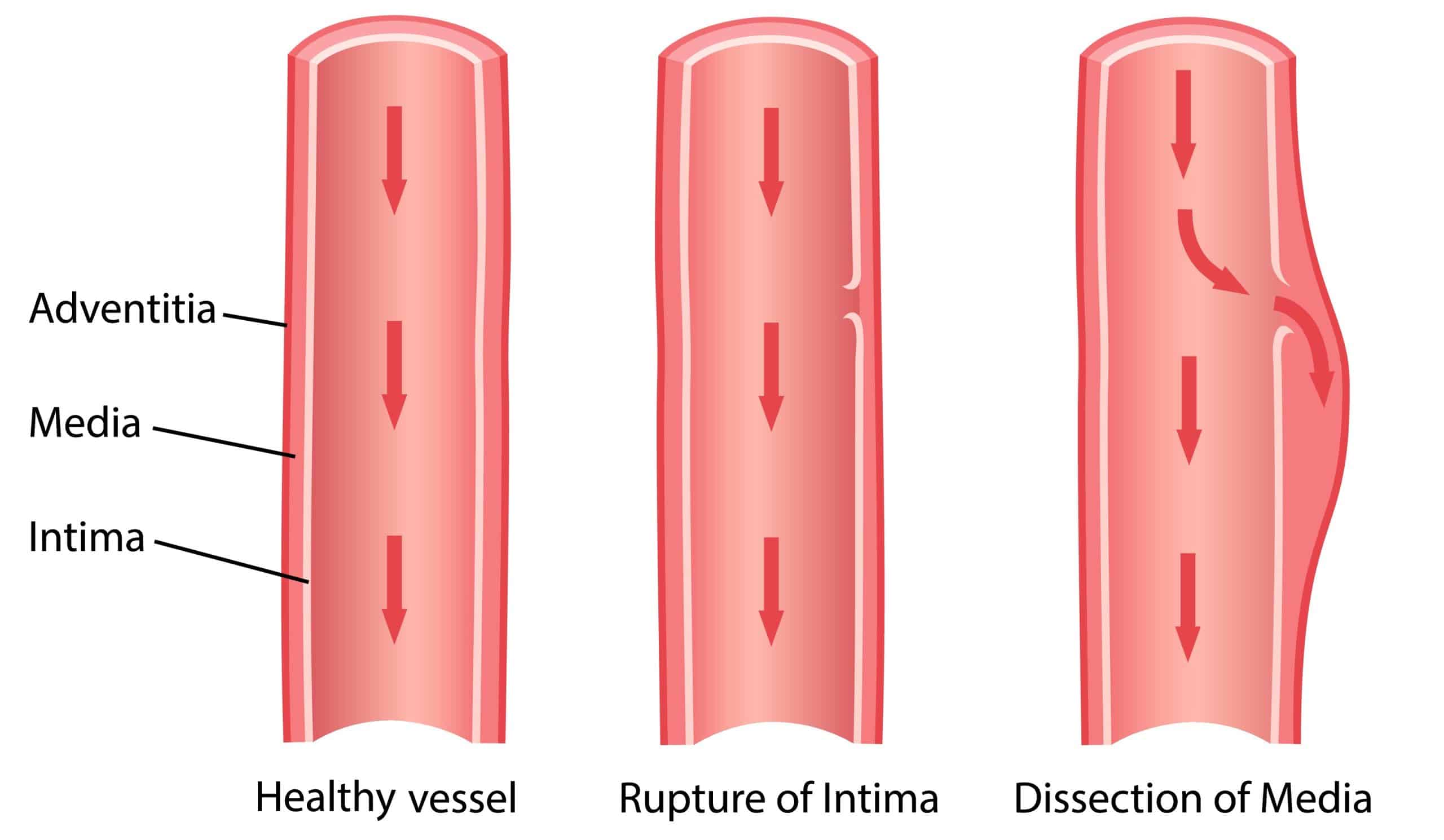
Aortic dissection is a serious medical condition that occurs when the inner layer of the aorta, the largest artery in the body, tears. This tear allows blood to flow between the layers of the aortic wall, forcing the layers apart. Aortic dissection surgery is a critical intervention aimed at repairing the damaged aorta and preventing further complications. This procedure is often lifesaving and requires a high level of expertise and precision.
Understanding Aortic Dissection
Aortic dissection can be classified into two main types based on the location and extent of the tear:
- Type A Dissection: This type involves the ascending aorta and often requires immediate surgical intervention. It is considered a medical emergency.
- Type B Dissection: This type involves the descending aorta and may be managed medically or surgically, depending on the patient's condition and the extent of the dissection.
Symptoms of aortic dissection can include sudden, severe chest or back pain, shortness of breath, and loss of consciousness. Early diagnosis and treatment are crucial for improving outcomes.
Diagnosis of Aortic Dissection
Diagnosing aortic dissection involves a combination of clinical evaluation and imaging studies. The diagnostic process typically includes:
- Physical Examination: A thorough physical exam to assess symptoms and vital signs.
- Imaging Studies: Techniques such as computed tomography angiography (CTA), magnetic resonance angiography (MRA), and transesophageal echocardiography (TEE) are used to visualize the aorta and identify the dissection.
- Blood Tests: To rule out other potential causes of symptoms and to assess overall health.
Prompt and accurate diagnosis is essential for determining the appropriate course of treatment, including whether Aortic Dissection Surgery is necessary.
Preparing for Aortic Dissection Surgery
Preparation for aortic dissection surgery involves several steps to ensure the best possible outcome. These steps include:
- Preoperative Evaluation: A comprehensive evaluation of the patient's overall health, including cardiac function, kidney function, and other relevant factors.
- Medication Management: Adjusting or stopping certain medications that could interfere with surgery or anesthesia.
- Patient Education: Informing the patient about the procedure, potential risks, and expected outcomes.
In some cases, emergency surgery may be required, and the preparation process may be expedited.
Types of Aortic Dissection Surgery
There are several surgical approaches to repairing an aortic dissection, depending on the type and extent of the dissection. The most common types of Aortic Dissection Surgery include:
- Open Chest Surgery: This involves making an incision in the chest to access the aorta. The surgeon repairs the tear and may replace the damaged section of the aorta with a synthetic graft.
- Endovascular Repair: This minimally invasive procedure involves inserting a stent graft through a small incision in the groin and guiding it to the site of the dissection. The stent graft reinforces the weakened area of the aorta.
- Hybrid Procedures: A combination of open surgery and endovascular techniques to address complex dissections.
Each type of surgery has its own set of risks and benefits, and the choice of procedure depends on the patient's specific condition and the surgeon's expertise.
Risks and Complications of Aortic Dissection Surgery
While Aortic Dissection Surgery can be lifesaving, it is also associated with significant risks and potential complications. These include:
- Bleeding: Excessive bleeding during or after surgery.
- Infection: Risk of infection at the surgical site or in the bloodstream.
- Stroke: Potential for a stroke due to dislodged blood clots or air emboli.
- Kidney Failure: Temporary or permanent kidney damage due to reduced blood flow.
- Paraplegia: Rare but serious complication involving paralysis of the lower body.
Patients should be aware of these risks and discuss them with their healthcare team before undergoing surgery.
Recovery from Aortic Dissection Surgery
Recovery from aortic dissection surgery can be a lengthy process, depending on the extent of the procedure and the patient's overall health. Key aspects of the recovery process include:
- Hospital Stay: Patients typically spend several days to a week in the hospital for monitoring and initial recovery.
- Rehabilitation: Physical therapy and cardiac rehabilitation to regain strength and improve cardiovascular health.
- Medication Management: Long-term use of medications to manage blood pressure and prevent further complications.
- Follow-Up Care: Regular check-ups with the healthcare team to monitor progress and address any concerns.
Patients are advised to follow their healthcare provider's instructions closely to ensure a successful recovery.
📝 Note: Recovery times can vary significantly based on individual health factors and the complexity of the surgery.
Long-Term Management and Follow-Up
Long-term management after aortic dissection surgery is crucial for maintaining health and preventing recurrence. Key aspects of long-term management include:
- Regular Check-Ups: Frequent visits to the cardiologist or vascular surgeon to monitor the aorta and overall health.
- Medication Compliance: Adhering to prescribed medications to control blood pressure and prevent complications.
- Lifestyle Modifications: Adopting a heart-healthy lifestyle, including a balanced diet, regular exercise, and avoiding smoking.
- Imaging Studies: Periodic imaging studies to assess the condition of the aorta and detect any new issues early.
Patients should work closely with their healthcare team to develop a personalized long-term management plan.
Living with Aortic Dissection
Living with aortic dissection requires ongoing vigilance and a commitment to maintaining overall health. Patients should be aware of the following:
- Symptom Awareness: Recognizing the signs of a potential recurrence or new dissection.
- Emotional Support: Seeking support from family, friends, and support groups to cope with the emotional impact of the condition.
- Education: Staying informed about aortic dissection and its management to make informed decisions about care.
Patients should also be proactive in communicating with their healthcare team about any concerns or changes in their condition.
Living with aortic dissection can be challenging, but with the right support and management, patients can lead fulfilling lives.
In conclusion, aortic dissection is a serious condition that requires prompt diagnosis and treatment. Aortic Dissection Surgery is a critical intervention that can save lives and improve outcomes. Understanding the types of surgery, risks, and recovery process is essential for patients and their families. Long-term management and follow-up care are crucial for maintaining health and preventing complications. With the right care and support, patients can manage aortic dissection effectively and lead healthy, active lives.
Related Terms:
- is aortic dissection an emergency
- aortic dissection repair
- aortic dissection repair surgery
- aortic dissection surgery name
- aortic dissection symptoms
- type b aortic dissection surgery