Exploring the fascinating world of animals beginning with the letter J reveals a diverse array of creatures, each with unique characteristics and habitats. From the majestic jaguar to the tiny jumping spider, these animals showcase the incredible variety of life on Earth. This blog post delves into the intriguing lives of these animals, highlighting their behaviors, habitats, and conservation statuses.
Jaguars: The Mighty Predators of the Americas
The jaguar (*Panthera onca*) is the third-largest big cat species in the world and the largest in the Americas. Known for their powerful build and distinctive rosette patterns, jaguars are apex predators that play a crucial role in maintaining the balance of their ecosystems. They are found in a variety of habitats, including tropical rainforests, savannas, and deserts, stretching from Mexico to South America.
Jaguars are solitary animals, except during mating season. They are opportunistic hunters, preying on a wide range of animals, including deer, capybaras, and even caimans. Their powerful jaws allow them to deliver a fatal bite to the skull of their prey, making them one of the most efficient predators in the wild.
Despite their formidable reputation, jaguars face significant threats, primarily from habitat loss and poaching. Conservation efforts are underway to protect these magnificent animals and their habitats. Organizations and governments are working together to establish protected areas and implement anti-poaching measures.
Jellyfish: The Graceful Drifters of the Oceans
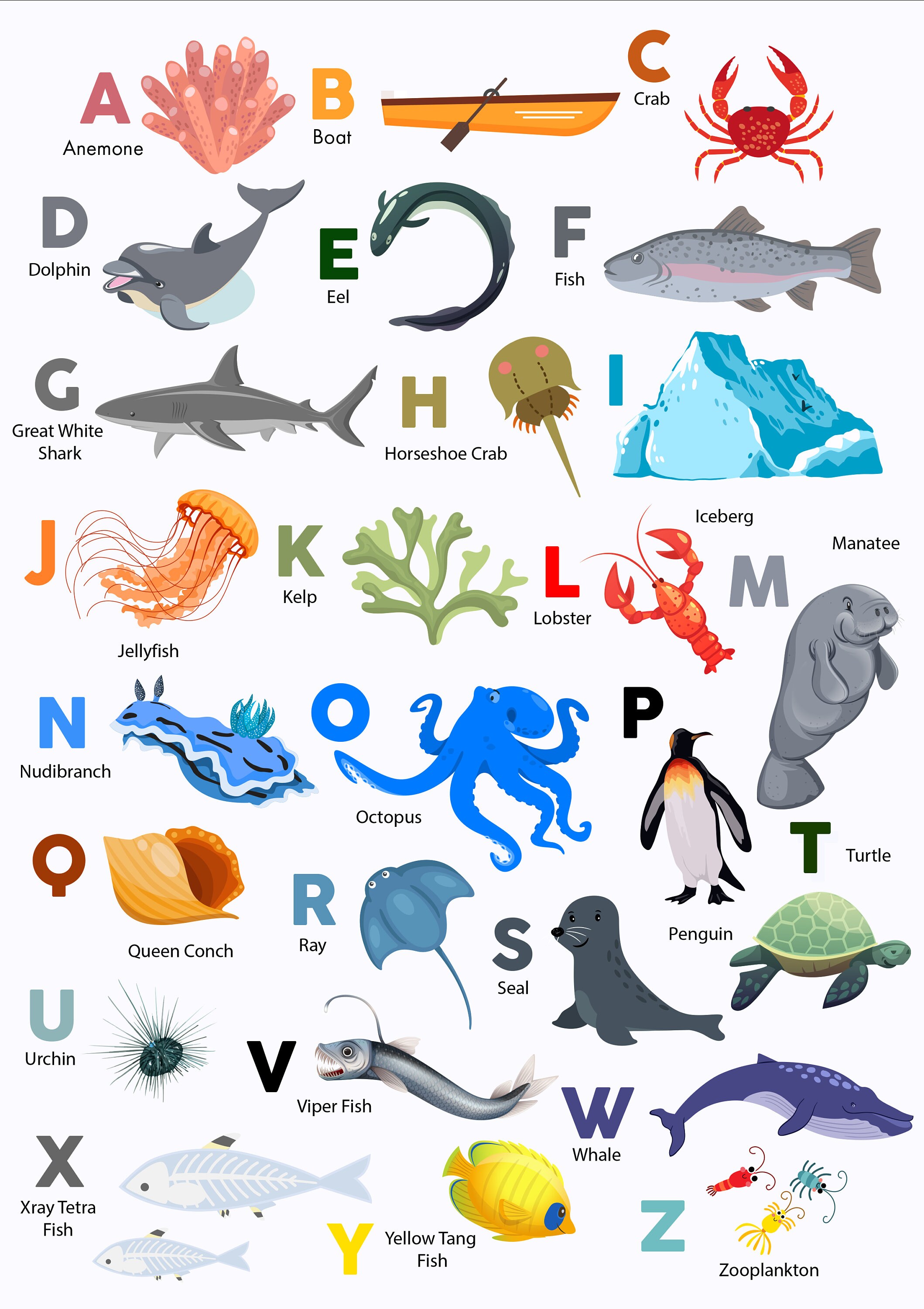
Jellyfish are gelatinous marine animals that belong to the phylum Cnidaria. They are known for their translucent, bell-shaped bodies and trailing tentacles, which they use to capture prey. Jellyfish are found in every ocean, from the surface to the deep sea, and come in a variety of sizes and colors.
One of the most well-known species is the box jellyfish (*Chironex fleckeri*), which is considered one of the most venomous marine animals. Its sting can be fatal to humans, making it a dangerous encounter for swimmers in Australian waters. Despite their potential danger, jellyfish play an important role in marine ecosystems by controlling populations of small fish and plankton.
Jellyfish have a unique life cycle that includes both a polyp stage and a medusa stage. The polyp stage is attached to a substrate and reproduces asexually, while the medusa stage is the free-swimming form that reproduces sexually. This dual life cycle allows jellyfish to adapt to different environmental conditions and ensure their survival.
Jackals: The Adaptable Canids of Africa and Asia
Jackals are medium-sized canids that are native to Africa and Asia. They are known for their adaptability and opportunistic behavior, which allows them to thrive in a variety of habitats, including deserts, savannas, and forests. The most well-known species are the black-backed jackal (*Canis mesomelas*), the side-striped jackal (*Canis adustus*), and the golden jackal (*Canis aureus*).
Jackals are omnivorous, feeding on a diet that includes small mammals, birds, reptiles, insects, and plant material. They are often seen scavenging for food, but they are also skilled hunters, capable of taking down prey much larger than themselves. Jackals are known for their distinctive calls, which can be heard echoing through the night in their habitats.
Jackals play an important role in their ecosystems by controlling populations of small animals and scavenging on carcasses, which helps to recycle nutrients. However, they are often persecuted by humans due to their perceived threat to livestock and their role in spreading diseases. Conservation efforts are focused on educating local communities about the importance of jackals and implementing measures to reduce human-wildlife conflict.
Jellyfish: The Graceful Drifters of the Oceans
Jellyfish are gelatinous marine animals that belong to the phylum Cnidaria. They are known for their translucent, bell-shaped bodies and trailing tentacles, which they use to capture prey. Jellyfish are found in every ocean, from the surface to the deep sea, and come in a variety of sizes and colors.
One of the most well-known species is the box jellyfish (*Chironex fleckeri*), which is considered one of the most venomous marine animals. Its sting can be fatal to humans, making it a dangerous encounter for swimmers in Australian waters. Despite their potential danger, jellyfish play an important role in marine ecosystems by controlling populations of small fish and plankton.
Jellyfish have a unique life cycle that includes both a polyp stage and a medusa stage. The polyp stage is attached to a substrate and reproduces asexually, while the medusa stage is the free-swimming form that reproduces sexually. This dual life cycle allows jellyfish to adapt to different environmental conditions and ensure their survival.
Jellyfish: The Graceful Drifters of the Oceans
Jellyfish are gelatinous marine animals that belong to the phylum Cnidaria. They are known for their translucent, bell-shaped bodies and trailing tentacles, which they use to capture prey. Jellyfish are found in every ocean, from the surface to the deep sea, and come in a variety of sizes and colors.
One of the most well-known species is the box jellyfish (*Chironex fleckeri*), which is considered one of the most venomous marine animals. Its sting can be fatal to humans, making it a dangerous encounter for swimmers in Australian waters. Despite their potential danger, jellyfish play an important role in marine ecosystems by controlling populations of small fish and plankton.
Jellyfish have a unique life cycle that includes both a polyp stage and a medusa stage. The polyp stage is attached to a substrate and reproduces asexually, while the medusa stage is the free-swimming form that reproduces sexually. This dual life cycle allows jellyfish to adapt to different environmental conditions and ensure their survival.
Jellyfish: The Graceful Drifters of the Oceans
Jellyfish are gelatinous marine animals that belong to the phylum Cnidaria. They are known for their translucent, bell-shaped bodies and trailing tentacles, which they use to capture prey. Jellyfish are found in every ocean, from the surface to the deep sea, and come in a variety of sizes and colors.
One of the most well-known species is the box jellyfish (*Chironex fleckeri*), which is considered one of the most venomous marine animals. Its sting can be fatal to humans, making it a dangerous encounter for swimmers in Australian waters. Despite their potential danger, jellyfish play an important role in marine ecosystems by controlling populations of small fish and plankton.
Jellyfish have a unique life cycle that includes both a polyp stage and a medusa stage. The polyp stage is attached to a substrate and reproduces asexually, while the medusa stage is the free-swimming form that reproduces sexually. This dual life cycle allows jellyfish to adapt to different environmental conditions and ensure their survival.
Jellyfish: The Graceful Drifters of the Oceans
Jellyfish are gelatinous marine animals that belong to the phylum Cnidaria. They are known for their translucent, bell-shaped bodies and trailing tentacles, which they use to capture prey. Jellyfish are found in every ocean, from the surface to the deep sea, and come in a variety of sizes and colors.
One of the most well-known species is the box jellyfish (*Chironex fleckeri*), which is considered one of the most venomous marine animals. Its sting can be fatal to humans, making it a dangerous encounter for swimmers in Australian waters. Despite their potential danger, jellyfish play an important role in marine ecosystems by controlling populations of small fish and plankton.
Jellyfish have a unique life cycle that includes both a polyp stage and a medusa stage. The polyp stage is attached to a substrate and reproduces asexually, while the medusa stage is the free-swimming form that reproduces sexually. This dual life cycle allows jellyfish to adapt to different environmental conditions and ensure their survival.
Jellyfish: The Graceful Drifters of the Oceans
Jellyfish are gelatinous marine animals that belong to the phylum Cnidaria. They are known for their translucent, bell-shaped bodies and trailing tentacles, which they use to capture prey. Jellyfish are found in every ocean, from the surface to the deep sea, and come in a variety of sizes and colors.
One of the most well-known species is the box jellyfish (*Chironex fleckeri*), which is considered one of the most venomous marine animals. Its sting can be fatal to humans, making it a dangerous encounter for swimmers in Australian waters. Despite their potential danger, jellyfish play an important role in marine ecosystems by controlling populations of small fish and plankton.
Jellyfish have a unique life cycle that includes both a polyp stage and a medusa stage. The polyp stage is attached to a substrate and reproduces asexually, while the medusa stage is the free-swimming form that reproduces sexually. This dual life cycle allows jellyfish to adapt to different environmental conditions and ensure their survival.
Jellyfish: The Graceful Drifters of the Oceans
Jellyfish are gelatinous marine animals that belong to the phylum Cnidaria. They are known for their translucent, bell-shaped bodies and trailing tentacles, which they use to capture prey. Jellyfish are found in every ocean, from the surface to the deep sea, and come in a variety of sizes and colors.
One of the most well-known species is the box jellyfish (*Chironex fleckeri*), which is considered one of the most venomous marine animals. Its sting can be fatal to humans, making it a dangerous encounter for swimmers in Australian waters. Despite their potential danger, jellyfish play an important role in marine ecosystems by controlling populations of small fish and plankton.
Jellyfish have a unique life cycle that includes both a polyp stage and a medusa stage. The polyp stage is attached to a substrate and reproduces asexually, while the medusa stage is the free-swimming form that reproduces sexually. This dual life cycle allows jellyfish to adapt to different environmental conditions and ensure their survival.
Jellyfish: The Graceful Drifters of the Oceans
Jellyfish are gelatinous marine animals that belong to the phylum Cnidaria. They are known for their translucent, bell-shaped bodies and trailing tentacles, which they use to capture prey. Jellyfish are found in every ocean, from the surface to the deep sea, and come in a variety of sizes and colors.
One of the most well-known species is the box jellyfish (*Chironex fleckeri*), which is considered one of the most venomous marine animals. Its sting can be fatal to humans, making it a dangerous encounter for swimmers in Australian waters. Despite their potential danger, jellyfish play an important role in marine ecosystems by controlling populations of small fish and plankton.
Jellyfish have a unique life cycle that includes both a polyp stage and a medusa stage. The polyp stage is attached to a substrate and reproduces asexually, while the medusa stage is the free-swimming form that reproduces sexually. This dual life cycle allows jellyfish to adapt to different environmental conditions and ensure their survival.
Jellyfish: The Graceful Drifters of the Oceans
Jellyfish are gelatinous marine animals that belong to the phylum Cnidaria. They are known for their translucent, bell-shaped bodies and trailing tentacles, which they use to capture prey. Jellyfish are found in every ocean, from the surface to the deep sea, and come in a variety of sizes and colors.
One of the most well-known species is the box jellyfish (*Chironex fleckeri*), which is considered one of the most venomous marine animals. Its sting can be fatal to humans, making it a dangerous encounter for swimmers in Australian waters. Despite their potential danger, jellyfish play an important role in marine ecosystems by controlling populations of small fish and plankton.
Jellyfish have a unique life cycle that includes both a polyp stage and a medusa stage. The polyp stage is attached to a substrate and reproduces asexually, while the medusa stage is the free-swimming form that reproduces sexually. This dual life cycle allows jellyfish to adapt to different environmental conditions and ensure their survival.
Jellyfish: The Graceful Drifters of the Oceans
Jellyfish are gelatinous marine animals that belong to the phylum Cnidaria. They are known for their translucent, bell-shaped bodies and trailing tentacles, which they use to capture prey. Jellyfish are found in every ocean, from the surface to the deep sea, and come in a variety of sizes and colors.
One of the most well-known species is the box jellyfish (*Chironex fleckeri*), which is considered one of the most venomous marine animals. Its sting can be fatal to humans, making it a dangerous encounter for swimmers in Australian waters. Despite their potential danger, jellyfish play an important role in marine ecosystems by controlling populations of small fish and plankton.
Jellyfish have a unique life cycle that includes both a polyp stage and a medusa stage. The polyp stage is attached to a substrate and reproduces asexually, while the medusa stage is the free-swimming form that reproduces sexually. This dual life cycle allows jellyfish to adapt to different environmental conditions and ensure their survival.
Jellyfish: The Graceful Drifters of the Oceans
Jellyfish are gelatinous marine animals that belong to the phylum Cnidaria. They are known for their translucent, bell-shaped bodies and trailing tentacles, which they use to capture prey. Jellyfish are found in every ocean, from the surface to the deep sea, and come in a variety of sizes and colors.
One of the most well-known species is the box jellyfish (*Chironex fleckeri*), which is considered one of the most venomous marine animals. Its sting can be fatal to humans, making it a dangerous encounter for swimmers in Australian waters. Despite their potential danger, jellyfish play an important role in marine ecosystems by controlling populations of small fish and plankton.
Jellyfish have a unique life cycle that includes both a polyp stage and a medusa stage. The polyp stage is attached to a substrate and reproduces asexually, while the medusa stage is the free-swimming form that reproduces sexually. This dual life cycle allows jellyfish to adapt to different environmental conditions and ensure their survival.
Jellyfish: The Graceful Drifters of the Oceans
Jellyfish are gelatinous marine animals that belong to the phylum Cnidaria. They are known for their translucent, bell-shaped bodies and trailing tentacles, which they use to capture prey. Jellyfish are found in every ocean, from the surface to the deep sea, and come in a variety of sizes and colors.
One of the most well-known species is the box jellyfish (*Chironex fleckeri*), which is considered one of the most venomous marine animals. Its sting can be fatal to humans, making it a dangerous encounter for swimmers in Australian waters. Despite their potential danger, jellyfish play an important role in marine ecosystems by controlling populations of small fish and plankton.
Jellyfish have a unique life cycle that includes both a polyp stage and a medusa stage. The polyp stage is attached to a substrate and reproduces asexually, while the medusa stage is the free-swimming form that reproduces sexually. This dual life cycle allows jellyfish to adapt to different environmental conditions and ensure their survival.
Jellyfish: The Graceful Drifters of the Oceans
Jellyfish are gelatinous marine animals that belong to the phylum Cnidaria. They are known for their translucent, bell-shaped bodies and trailing tentacles, which they use to capture prey. Jellyfish are found in every ocean, from the surface to the deep sea, and come in a variety of sizes and colors.
One of the most well-known species is the box jellyfish (*Chironex fleckeri*), which is considered one of the most venomous marine animals. Its sting can be fatal to humans, making it a dangerous encounter for swimmers in Australian waters. Despite their potential danger, jellyfish play an important role in marine ecosystems by controlling populations of small fish and plankton.
Jellyfish have a unique life cycle that includes both a polyp stage and a medusa stage. The polyp stage is attached to a substrate and reproduces asexually, while the medusa stage is the free-swimming form that reproduces sexually. This dual life cycle allows jellyfish to adapt to different environmental conditions and ensure their survival.
Jellyfish: The Graceful Drifters of the Oceans
Jellyfish are gelatinous marine animals that belong to the phylum Cnidaria. They are known for their translucent, bell-shaped bodies and trailing tentacles, which they use to capture prey. Jellyfish are found in every ocean, from the surface to the deep sea, and come in a variety of sizes and colors.
One of the most well-known species is the box jellyfish (*Chironex fleckeri*), which is considered one of the most venomous marine animals. Its sting can be fatal to humans, making it a dangerous encounter for swimmers in Australian waters. Despite their potential danger, jellyfish play an important role in marine ecosystems by controlling populations of small fish and plankton.
Jellyfish have a unique life cycle that includes both a polyp stage and a medusa stage. The polyp stage is attached to a substrate and reproduces asexually, while the medusa stage is the free-swimming form that reproduces sexually. This dual life cycle allows jellyfish to adapt to different environmental conditions and ensure their survival.
Jellyfish: The Graceful Drifters of the Oceans
Jellyfish are gelatinous marine animals that belong to the phylum Cnidaria. They are known for their translucent, bell-shaped bodies and trailing tentacles, which they use to capture prey. Jellyfish are found in every ocean, from the surface to the deep sea, and come in a variety of sizes and colors.
One of the most well-known species is the box jellyfish (*Chironex fleckeri*), which is considered one of the most venomous marine animals. Its sting can be fatal to humans, making it a dangerous encounter for swimmers in Australian waters. Despite their potential danger, jellyfish play an important role in marine ecosystems by controlling populations of small fish and plankton.
Jellyfish have a unique life cycle that includes both a polyp stage and a medusa stage. The polyp stage is attached to a substrate and reproduces asexually, while the medusa stage is the free-swimming form that reproduces sexually. This dual life cycle allows jellyfish to adapt to different environmental conditions and ensure their survival.
Jellyfish: The Graceful Drifters of the Oceans
Jellyfish are gelatinous marine animals that belong to the
Related Terms:
- animal starting with letter j
- animals beginning with j list
- animal names beginning with j
- animals beginning with letter j
- animals beginning with a j
- animals starts with letter j