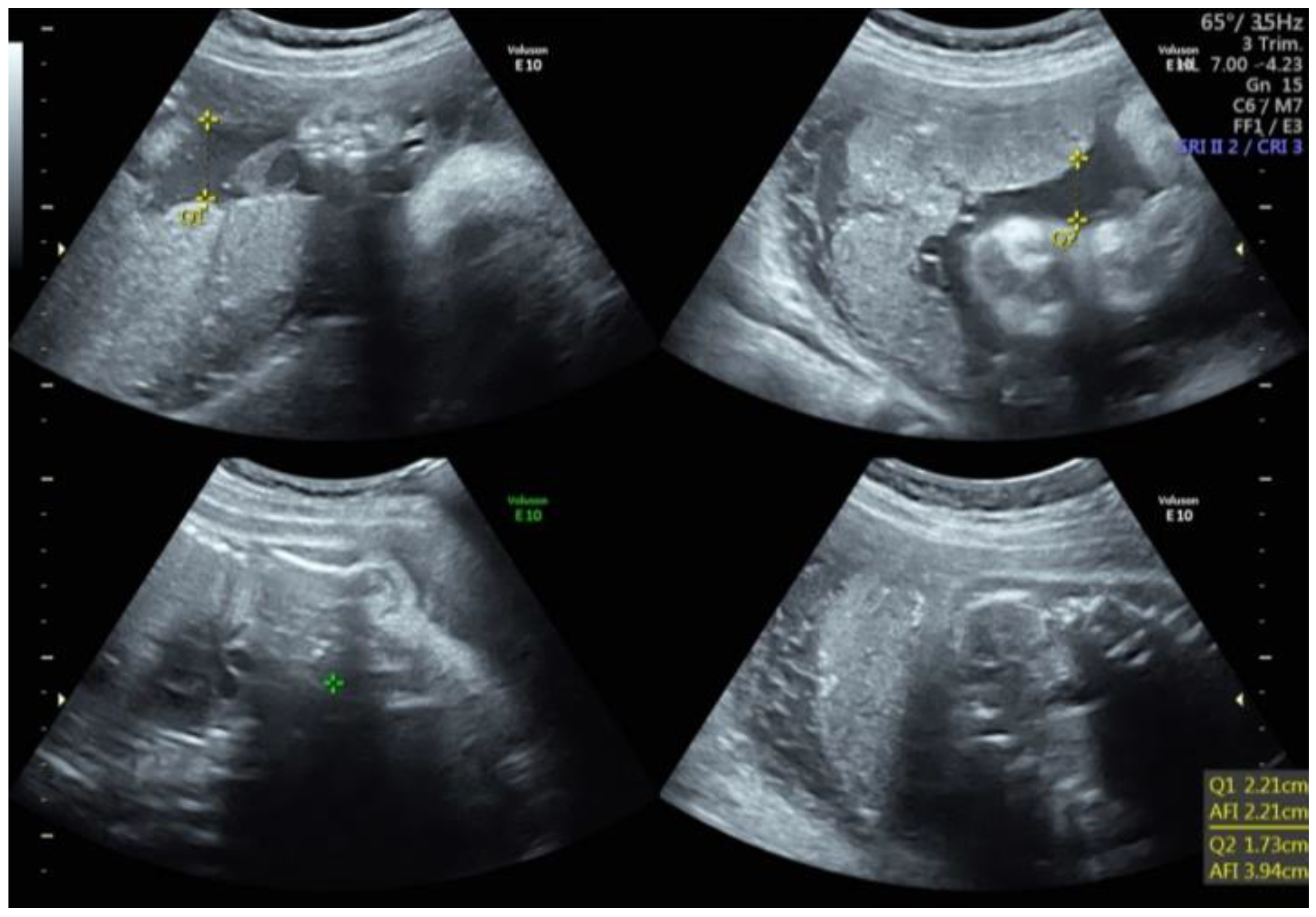
Amniotic fluid embolism (AFE) is a rare but severe obstetric emergency that can have devastating consequences for both the mother and the fetus. Understanding the amniotic fluid embolism causes is crucial for early detection and management. This condition occurs when amniotic fluid, fetal cells, hair, or other debris enter the maternal bloodstream, triggering a cascade of physiological responses that can lead to cardiac arrest, disseminated intravascular coagulation (DIC), and multi-organ failure.
Understanding Amniotic Fluid Embolism
Amniotic fluid embolism is a medical emergency that typically occurs during labor, delivery, or immediately postpartum. The exact mechanisms behind amniotic fluid embolism causes are not fully understood, but several theories have been proposed. One theory suggests that the amniotic fluid enters the maternal circulation through tears in the uterine veins or placental separation. Another theory posits that the amniotic fluid triggers an anaphylactoid reaction, leading to severe cardiovascular and respiratory distress.
Risk Factors for Amniotic Fluid Embolism
While amniotic fluid embolism causes are not always clear, certain risk factors have been identified. These include:
- Advanced maternal age
- Multiparity (having multiple pregnancies)
- Placental abruption
- Uterine rupture
- Cesarean delivery
- Induction of labor
- Prolonged labor
- Fetal distress
It is important to note that AFE can occur in the absence of these risk factors, making it a challenging condition to predict.
Symptoms of Amniotic Fluid Embolism
The symptoms of amniotic fluid embolism can vary but often include:
- Sudden onset of shortness of breath
- Severe hypotension (low blood pressure)
- Cardiac arrest
- Seizures
- Disseminated intravascular coagulation (DIC)
- Respiratory distress
- Altered mental status
These symptoms can progress rapidly, leading to multi-organ failure and death if not treated promptly.
Diagnosis of Amniotic Fluid Embolism
Diagnosing amniotic fluid embolism can be challenging due to its rarity and the rapid onset of symptoms. The diagnosis is often made based on clinical presentation and the exclusion of other potential causes. There is no specific test for AFE, but the following diagnostic steps may be taken:
- Blood tests to check for DIC and other coagulation abnormalities
- Chest X-ray to rule out other causes of respiratory distress
- Echocardiogram to assess cardiac function
- Laboratory tests to detect fetal cells or debris in the maternal bloodstream
Early recognition and prompt intervention are crucial for improving outcomes.
Management and Treatment of Amniotic Fluid Embolism
The management of amniotic fluid embolism focuses on stabilizing the mother and supporting organ function. Immediate steps include:
- Cardiopulmonary resuscitation (CPR) if cardiac arrest occurs
- Administration of fluids and blood products to support circulation and coagulation
- Mechanical ventilation to support respiratory function
- Inotropic support to maintain cardiac output
- Treatment of DIC with blood products and anticoagulants
In some cases, emergency hysterectomy may be necessary to control bleeding and stabilize the mother.
📌 Note: The prognosis for amniotic fluid embolism is generally poor, with a high mortality rate. Prompt recognition and aggressive management are essential for improving outcomes.
Prevention of Amniotic Fluid Embolism
Given the unpredictable nature of amniotic fluid embolism causes, prevention strategies are limited. However, certain measures can help reduce the risk:
- Regular prenatal care to monitor maternal and fetal health
- Avoiding unnecessary interventions during labor and delivery
- Prompt recognition and management of complications such as placental abruption and uterine rupture
- Educating healthcare providers about the signs and symptoms of AFE
While these measures may not eliminate the risk of AFE, they can help mitigate some of the contributing factors.
Long-Term Effects and Recovery
Survivors of amniotic fluid embolism may experience long-term effects, including:
- Neurological deficits
- Cardiac dysfunction
- Respiratory complications
- Psychological trauma
Recovery can be a lengthy process, requiring ongoing medical care and support. Rehabilitation may include physical therapy, psychological counseling, and ongoing medical monitoring.
Support for Families Affected by Amniotic Fluid Embolism
Amniotic fluid embolism can have a profound impact on families, leaving them with emotional and psychological scars. Support resources include:
- Support groups for families affected by AFE
- Counseling services to help cope with the emotional impact
- Educational resources to understand the condition and its implications
Connecting with other families who have experienced AFE can provide a sense of community and shared understanding.
Amniotic fluid embolism is a rare but serious condition with potentially devastating consequences. Understanding the amniotic fluid embolism causes, risk factors, symptoms, and management strategies is essential for healthcare providers and families. Early recognition and prompt intervention are crucial for improving outcomes. While prevention strategies are limited, regular prenatal care and prompt management of complications can help reduce the risk. For families affected by AFE, support resources are available to help cope with the emotional and psychological impact.
Related Terms:
- amniotic fluid embolism mortality rate
- amniotic fluid embolism survival rate
- amniotic fluid embolism mayo clinic
- amniotic fluid embolism treatments
- amniotic embolism survival rate
- amniotic fluid embolism diagnosis