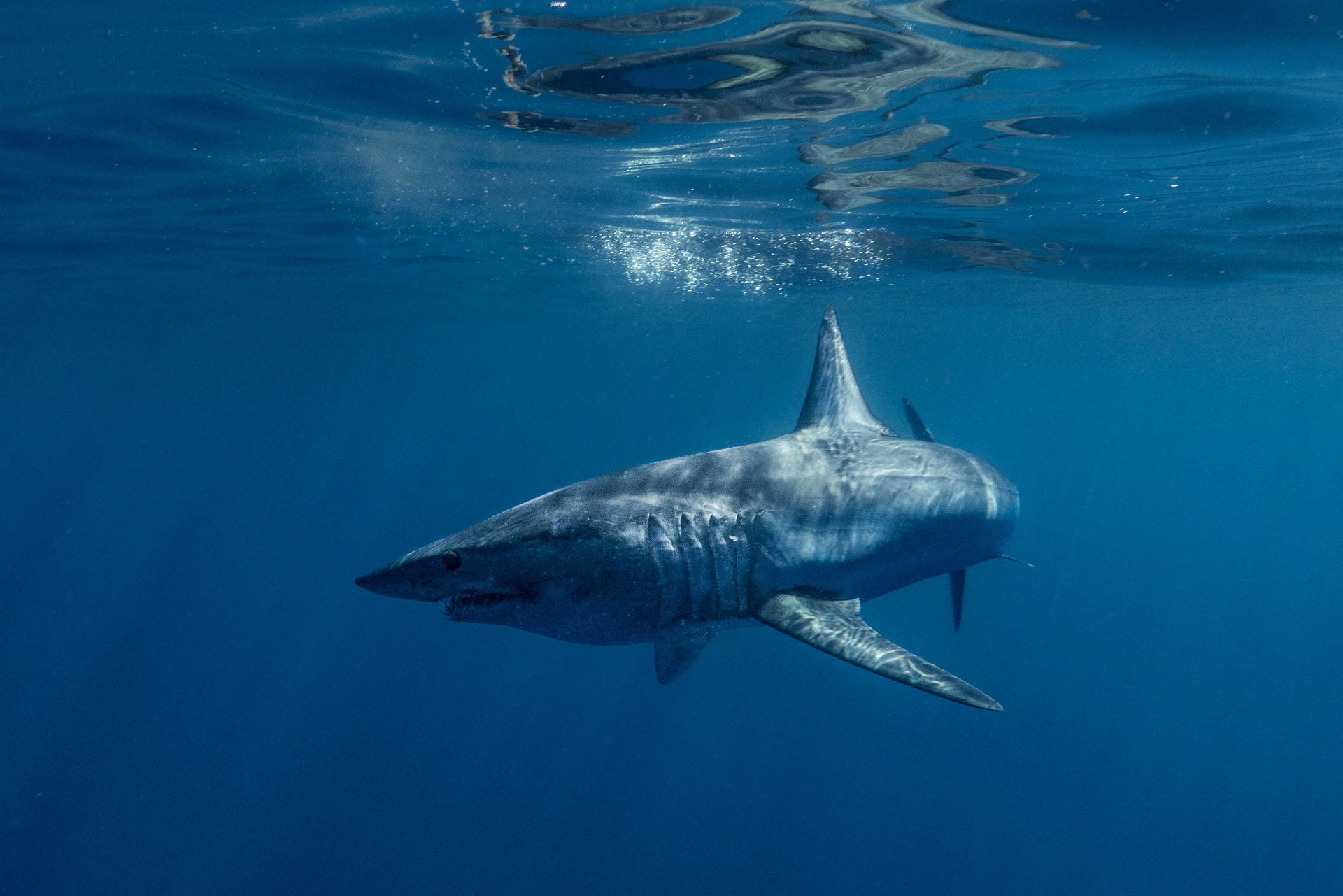
Diving into the depths of the ocean reveals a world teeming with life, but also one fraught with danger for many species. Among the most vulnerable are the almost extinct sharks, which face numerous threats that push them to the brink of disappearance. These magnificent creatures, essential to marine ecosystems, are now in dire need of our attention and protection.
Understanding the Plight of Almost Extinct Sharks
Sharks have roamed the oceans for millions of years, playing a crucial role in maintaining the balance of marine life. However, their populations have been decimated due to various human activities. Understanding the reasons behind their decline is the first step in addressing the issue.
Overfishing and Bycatch
One of the primary threats to almost extinct sharks is overfishing. Many shark species are targeted for their fins, which are used in shark fin soup, a delicacy in some cultures. This practice, known as finning, involves cutting off a shark's fins and discarding the rest of the body back into the ocean, often while the shark is still alive. This cruel and unsustainable practice has led to a dramatic decline in shark populations worldwide.
Additionally, sharks are often caught as bycatch in fisheries targeting other species. This means that sharks are inadvertently caught in nets and on hooks intended for different fish, leading to their deaths. The sheer volume of bycatch contributes significantly to the decline of shark populations.
Habitat Destruction
Habitat destruction is another major threat to almost extinct sharks. Coastal development, pollution, and climate change all contribute to the degradation of shark habitats. Coral reefs, mangroves, and seagrass beds, which are essential for shark nurseries and feeding grounds, are being destroyed at an alarming rate. This loss of habitat makes it difficult for sharks to find food, mate, and raise their young, further exacerbating their decline.
Pollution and Climate Change
Pollution, particularly plastic pollution, poses a significant threat to sharks. Many sharks mistake plastic for food, leading to ingestion and subsequent health issues. Additionally, chemical pollutants and microplastics can accumulate in shark tissues, affecting their health and reproductive capabilities.
Climate change also impacts shark populations by altering ocean temperatures and currents, which can disrupt their migration patterns and food sources. Rising sea levels and increased ocean acidification further degrade shark habitats, making it harder for them to survive.
Species on the Brink
Several shark species are now classified as almost extinct due to the combined effects of overfishing, habitat destruction, pollution, and climate change. Some of the most critically endangered species include:
| Species | Status | Primary Threats |
|---|---|---|
| Great Hammerhead Shark | Critically Endangered | Overfishing, bycatch, habitat loss |
| Oceanic Whitetip Shark | Critically Endangered | Overfishing, bycatch, habitat loss |
| Porbeagle Shark | Critically Endangered | Overfishing, bycatch, habitat loss |
| Whale Shark | Endangered | Overfishing, bycatch, habitat loss |
| Tiger Shark | Near Threatened | Overfishing, bycatch, habitat loss |
These species, among others, are at risk of disappearing forever if immediate action is not taken. Their decline not only affects the marine ecosystem but also has broader implications for human health and the economy.
Conservation Efforts and Solutions
Addressing the plight of almost extinct sharks requires a multi-faceted approach involving governments, conservation organizations, and individuals. Here are some key strategies that can help protect these vital species:
Regulating Fishing Practices
Implementing strict regulations on fishing practices is crucial. This includes banning shark finning, enforcing catch limits, and promoting sustainable fishing methods. Governments and international bodies must work together to create and enforce these regulations, ensuring that shark populations have a chance to recover.
Additionally, promoting shark-friendly fishing gear and practices can reduce bycatch. For example, using circle hooks instead of J-hooks in longline fisheries can significantly reduce the number of sharks caught as bycatch.
Protecting Habitats
Protecting and restoring shark habitats is essential for their survival. This involves creating marine protected areas (MPAs) where fishing is restricted or prohibited, allowing shark populations to recover. MPAs also help protect coral reefs, mangroves, and seagrass beds, which are critical for shark survival.
Efforts to reduce pollution and combat climate change are also vital. Reducing plastic waste, minimizing chemical pollutants, and transitioning to renewable energy sources can all contribute to healthier oceans and more resilient shark populations.
Education and Awareness
Raising awareness about the plight of almost extinct sharks is crucial for garnering public support and driving change. Educational campaigns can inform people about the importance of sharks in marine ecosystems and the threats they face. This knowledge can inspire individuals to take action, whether by supporting conservation efforts, reducing their plastic use, or advocating for stronger environmental policies.
Engaging local communities in conservation efforts is also important. Many coastal communities rely on fishing for their livelihoods, and involving them in sustainable fishing practices can ensure both their economic well-being and the protection of shark populations.
Scientific Research
Continuing scientific research on shark biology, behavior, and population dynamics is essential for developing effective conservation strategies. Understanding shark migration patterns, breeding habits, and habitat requirements can inform better management practices and help protect critical areas.
Collaborative research efforts between scientists, conservation organizations, and governments can provide valuable insights and drive policy changes. For example, tagging and tracking studies can help identify important shark habitats and migration routes, guiding the creation of MPAs and other protective measures.
📝 Note: While scientific research is crucial, it must be conducted ethically and with minimal disturbance to shark populations. Non-invasive methods, such as satellite tagging and acoustic telemetry, are preferred to ensure the well-being of the sharks being studied.
The Role of Technology in Shark Conservation
Advances in technology are playing an increasingly important role in shark conservation. From satellite tracking to underwater drones, these tools provide valuable data and insights that can inform conservation efforts.
Satellite Tracking
Satellite tracking allows scientists to monitor shark movements over long distances and periods. This technology provides crucial information about shark migration patterns, habitat use, and behavior. By understanding these aspects, conservationists can identify key areas for protection and develop strategies to minimize human-shark conflicts.
Underwater Drones
Underwater drones equipped with cameras and sensors can survey shark habitats and monitor population health. These drones can access remote and dangerous areas, providing data that would be difficult or impossible to obtain through traditional methods. They can also help identify and track illegal fishing activities, aiding in enforcement efforts.
Artificial Intelligence and Machine Learning
Artificial intelligence (AI) and machine learning (ML) are being used to analyze large datasets and predict shark behavior and population trends. These technologies can help identify patterns and correlations that might not be apparent to human researchers, providing new insights into shark ecology and conservation needs.
AI and ML can also enhance monitoring and enforcement efforts by detecting illegal fishing activities and tracking shark movements in real-time. This technology can help conservationists respond quickly to threats and protect critical shark habitats.
In addition to these technological advancements, public engagement through social media and online platforms can amplify conservation messages and mobilize support. Crowdsourcing data and citizen science initiatives can also contribute to shark research and conservation efforts, involving a broader audience in the protection of these vital species.
In conclusion, the plight of almost extinct sharks is a pressing issue that requires immediate and sustained action. By understanding the threats they face and implementing effective conservation strategies, we can help protect these magnificent creatures and ensure the health of our oceans for future generations. The future of sharks depends on our collective efforts to address overfishing, habitat destruction, pollution, and climate change. Through regulation, education, research, and technological innovation, we can make a difference and safeguard the survival of these essential marine predators.
Related Terms:
- endangered sharks
- megalodon extinct shark
- extinct sharks found alive
- extinct sharks list
- recently extinct sharks
- scapanorhynchus extinct shark