Acidic amino acids are a crucial component of proteins, playing vital roles in various biological processes. These amino acids are characterized by their acidic side chains, which contain carboxyl groups that can donate protons, making them acidic in nature. Understanding the structure, function, and significance of acidic amino acids is essential for comprehending the broader field of biochemistry and molecular biology.
Understanding Acidic Amino Acids
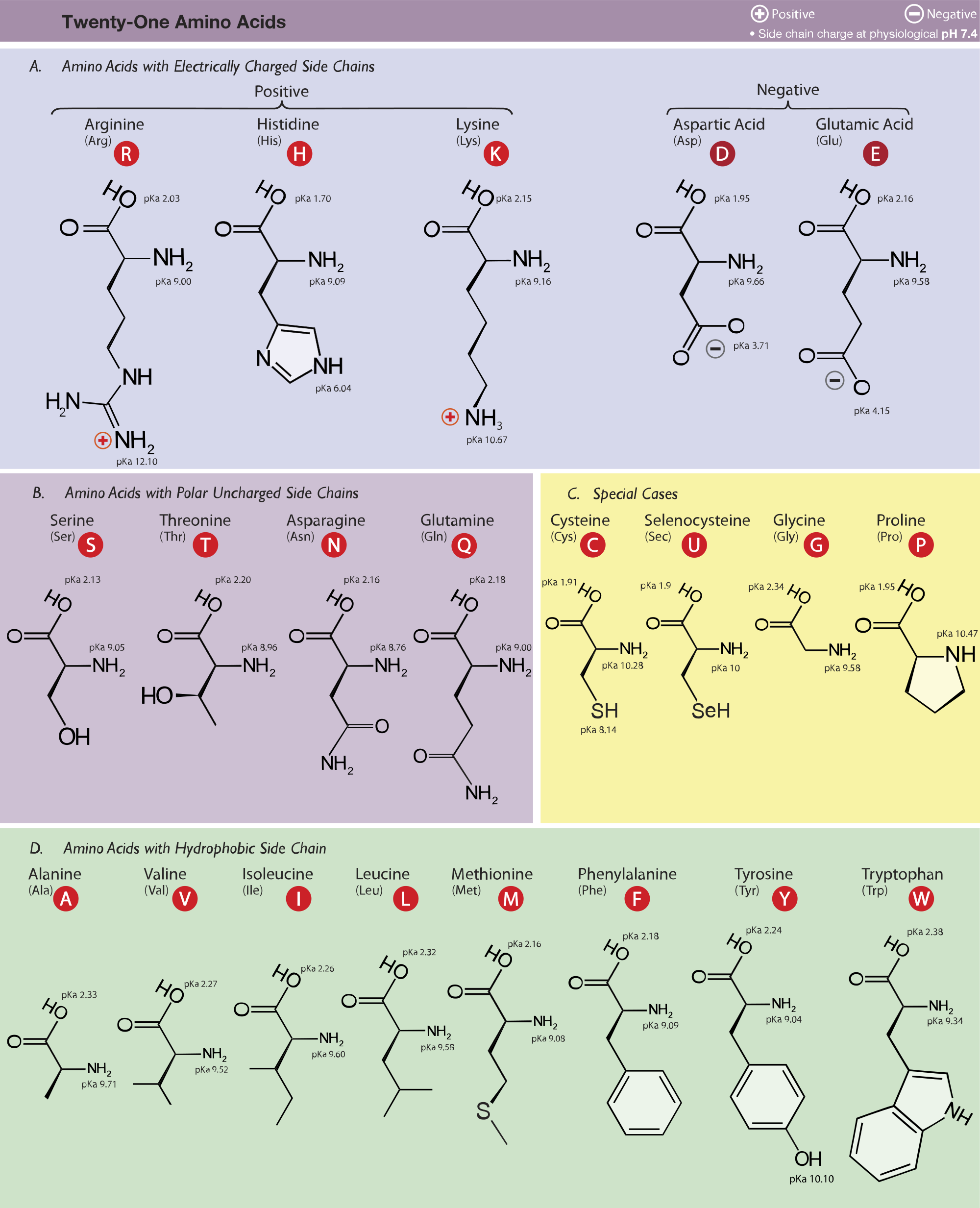
Acidic amino acids are classified based on the presence of carboxyl groups in their side chains. The two primary acidic amino acids are aspartic acid and glutamic acid. These amino acids are polar and hydrophilic, meaning they can interact with water molecules and other polar substances. Their acidic nature allows them to participate in various chemical reactions and interactions within biological systems.
Structure of Acidic Amino Acids
The structure of acidic amino acids consists of a central carbon atom (alpha carbon) bonded to an amino group, a carboxyl group, a hydrogen atom, and a side chain. The side chains of aspartic acid and glutamic acid contain additional carboxyl groups, which contribute to their acidic properties.
Here is a breakdown of the structures:
- Aspartic Acid: The side chain of aspartic acid is a single carbon atom bonded to a carboxyl group. This makes it a shorter side chain compared to glutamic acid.
- Glutamic Acid: The side chain of glutamic acid is two carbon atoms long, with a carboxyl group at the end. This longer side chain allows for more flexibility and interaction with other molecules.
Functions of Acidic Amino Acids
Acidic amino acids play diverse roles in biological systems, including:
- Protein Structure and Function: Aspartic acid and glutamic acid are essential for the structure and function of proteins. They can form hydrogen bonds and ionic interactions, stabilizing protein structures and facilitating enzymatic activities.
- pH Regulation: Due to their acidic nature, these amino acids help regulate the pH of cells and biological fluids. They can act as buffers, maintaining the optimal pH for various biochemical reactions.
- Neurotransmission: Glutamic acid is a major excitatory neurotransmitter in the brain. It plays a crucial role in synaptic transmission and is involved in learning, memory, and cognitive functions.
- Metabolic Pathways: Acidic amino acids are involved in various metabolic pathways, including the citric acid cycle and amino acid biosynthesis. They serve as precursors for the synthesis of other important biomolecules.
Biological Significance of Acidic Amino Acids
The biological significance of acidic amino acids extends beyond their structural and functional roles. They are involved in numerous physiological processes and have implications for health and disease.
For instance, glutamic acid is a key player in the brain's neurotransmission system. It is involved in the formation of synapses and the transmission of signals between neurons. Dysregulation of glutamic acid levels has been linked to neurological disorders such as epilepsy, Alzheimer's disease, and schizophrenia.
Similarly, aspartic acid is involved in the synthesis of purines and pyrimidines, which are essential components of DNA and RNA. It also plays a role in the urea cycle, a metabolic pathway that helps eliminate nitrogenous waste from the body.
Acidic Amino Acids in Nutrition
Acidic amino acids are essential nutrients that must be obtained through diet. They are found in various food sources, including:
- Proteins: Meat, poultry, fish, eggs, and dairy products are rich sources of acidic amino acids.
- Plant-Based Foods: Legumes, nuts, seeds, and whole grains also contain significant amounts of these amino acids.
- Supplements: Dietary supplements containing aspartic acid and glutamic acid are available for those who may have deficiencies or specific nutritional needs.
Incorporating these food sources into a balanced diet ensures adequate intake of acidic amino acids, supporting overall health and well-being.
Acidic Amino Acids in Disease and Therapy
Acidic amino acids have been studied for their potential roles in disease and therapy. For example, glutamic acid has been investigated for its neuroprotective effects in conditions such as stroke and traumatic brain injury. Research has shown that modulating glutamic acid levels can help reduce neuronal damage and improve recovery outcomes.
Additionally, aspartic acid has been explored for its potential benefits in metabolic disorders. It has been suggested that aspartic acid supplementation may help improve energy metabolism and reduce fatigue in individuals with chronic fatigue syndrome.
However, it is important to note that while acidic amino acids show promise in various therapeutic applications, more research is needed to fully understand their mechanisms of action and potential side effects.
📝 Note: Always consult with a healthcare provider before starting any new supplement regimen, especially if you have underlying health conditions or are taking medications.
Acidic Amino Acids in Research
Research on acidic amino acids continues to uncover new insights into their roles in biological systems. Scientists are exploring various aspects, including:
- Molecular Interactions: Studying how acidic amino acids interact with other molecules can provide insights into protein folding, enzyme catalysis, and signal transduction.
- Genetic Regulation: Investigating the genetic regulation of acidic amino acid metabolism can help understand how these amino acids are synthesized and utilized in different tissues and organs.
- Disease Mechanisms: Researching the involvement of acidic amino acids in disease mechanisms can lead to the development of new therapeutic strategies for conditions such as neurodegenerative diseases, metabolic disorders, and cancer.
Advances in technology and analytical methods are enabling researchers to delve deeper into the complexities of acidic amino acids, paving the way for innovative applications in medicine and biotechnology.
Future Directions in Acidic Amino Acid Research
The future of acidic amino acid research holds great promise. Emerging areas of interest include:
- Personalized Medicine: Understanding individual variations in acidic amino acid metabolism can lead to personalized treatment approaches for various diseases.
- Nutraceuticals: Developing nutraceuticals that target specific acidic amino acid pathways can offer new avenues for preventive and therapeutic interventions.
- Biomarkers: Identifying acidic amino acids as biomarkers for early detection and monitoring of diseases can improve diagnostic accuracy and patient outcomes.
As research continues to evolve, the potential applications of acidic amino acids in health and disease are likely to expand, offering new opportunities for scientific discovery and clinical innovation.
Acidic amino acids are fundamental components of proteins with diverse roles in biological systems. Their acidic nature, structural properties, and functional capabilities make them essential for various physiological processes. From protein structure and function to neurotransmission and metabolic pathways, acidic amino acids play critical roles in maintaining health and well-being. Understanding their significance in nutrition, disease, and therapy can lead to new insights and applications in medicine and biotechnology. As research continues to advance, the potential of acidic amino acids in improving human health and addressing complex diseases remains a promising area of exploration.
Related Terms:
- acidic amino acids examples
- sulfur containing amino acids
- aromatic amino acids
- list of acidic amino acids
- acidic and basic amino acids
- neutral amino acids