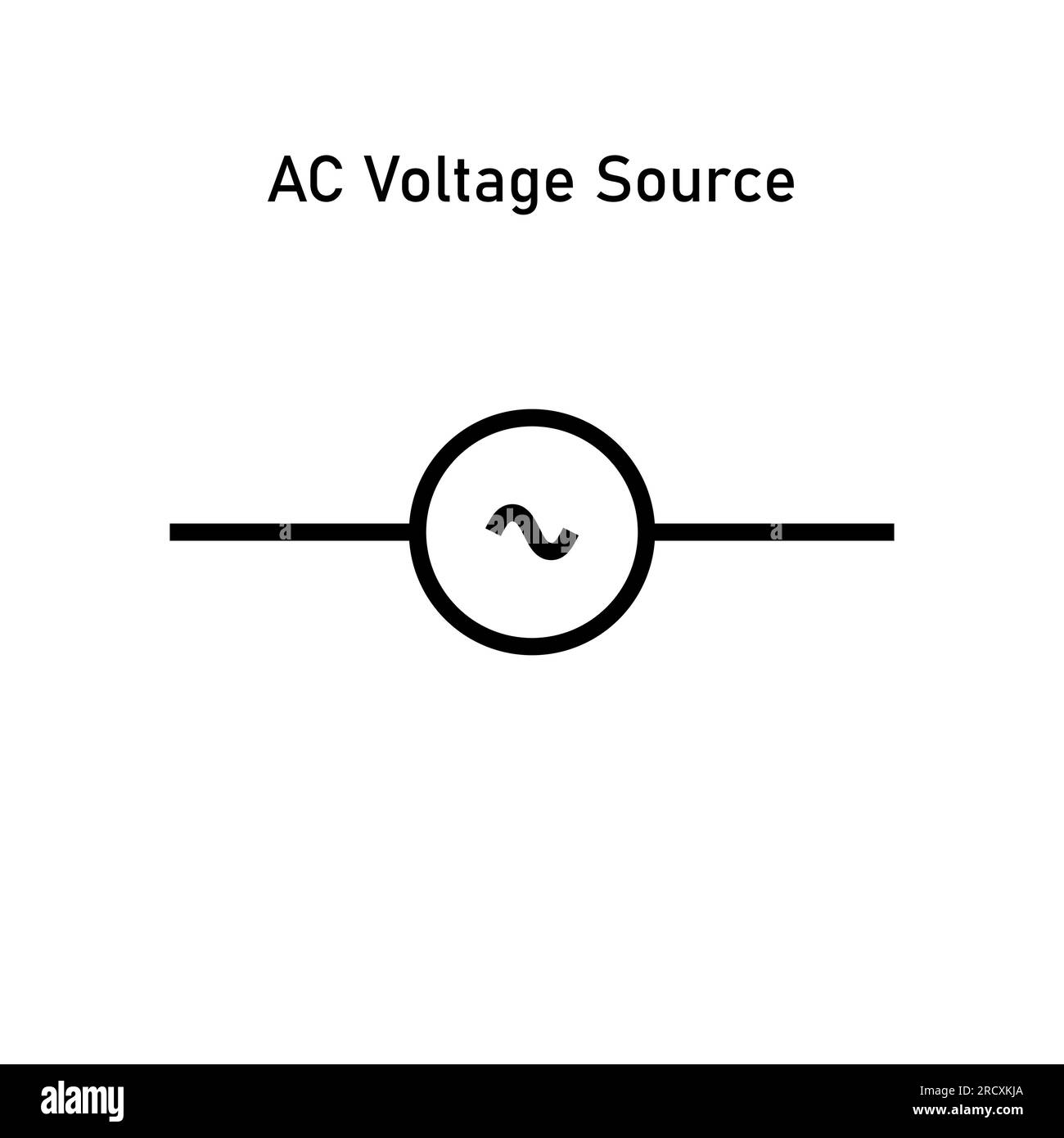
Understanding the intricacies of an AC power source is crucial for anyone involved in electrical engineering, electronics, or even basic home maintenance. An AC power source refers to the electrical power supply that provides alternating current (AC), which is the standard form of electrical power used in homes and businesses. This type of power is characterized by its sinusoidal waveform, where the direction of the current changes periodically. Unlike direct current (DC), which flows in one direction, AC power can be easily transformed to different voltage levels, making it ideal for long-distance transmission.
Understanding AC Power
AC power is generated by power plants and distributed through a network of transformers and power lines to homes and businesses. The frequency of AC power in most countries is either 50 Hz or 60 Hz, depending on the region. In the United States, for example, the standard frequency is 60 Hz, while in Europe, it is 50 Hz. This frequency determines how many times the current changes direction per second.
One of the key advantages of AC power is its ability to be stepped up or down in voltage using transformers. This makes it possible to transmit power over long distances with minimal loss. High-voltage transmission lines reduce the current required to transmit a given amount of power, which in turn reduces the energy lost as heat. At the destination, transformers step down the voltage to a level suitable for use in homes and businesses.
Components of an AC Power Source
An AC power source typically consists of several key components, each playing a crucial role in the generation and distribution of electrical power. These components include:
- Generator: The device that converts mechanical energy into electrical energy. Generators can be powered by various sources, including fossil fuels, nuclear energy, and renewable sources like wind and hydro.
- Transformer: A device that steps up or down the voltage of the electrical power. Transformers are essential for efficient power transmission and distribution.
- Power Lines: The network of wires and cables that carry electrical power from the generator to the end user. Power lines can be overhead or underground, depending on the region and infrastructure.
- Switchgear: Equipment used to control, protect, and isolate electrical circuits. Switchgear includes circuit breakers, fuses, and switches.
- Distribution Panels: The final point where electrical power is distributed to individual circuits within a building. Distribution panels include circuit breakers and fuses to protect against overloads and short circuits.
Types of AC Power Sources
There are several types of AC power sources, each with its own characteristics and applications. The most common types include:
- Single-Phase AC Power: This type of power is commonly used in residential settings. It consists of one live wire, one neutral wire, and sometimes a ground wire. Single-phase power is suitable for low-power applications such as lighting, small appliances, and electronics.
- Three-Phase AC Power: This type of power is used in industrial and commercial settings where higher power requirements are needed. It consists of three live wires, each carrying a phase of the AC power, and a neutral wire. Three-phase power is more efficient for high-power applications such as motors, machinery, and large appliances.
Three-phase power can be further categorized into two types: delta and wye configurations. In a delta configuration, the three phases are connected in a triangular loop, while in a wye configuration, the phases are connected to a common neutral point. The choice between delta and wye configurations depends on the specific requirements of the application.
Applications of AC Power
AC power is used in a wide range of applications, from residential and commercial settings to industrial and infrastructure projects. Some of the most common applications include:
- Residential Use: AC power is used to power lighting, appliances, and electronics in homes. Common appliances include refrigerators, air conditioners, and washing machines.
- Commercial Use: In commercial settings, AC power is used to operate office equipment, lighting, and HVAC systems. It is also used in retail stores, restaurants, and other businesses.
- Industrial Use: In industrial settings, AC power is used to operate machinery, motors, and other heavy equipment. It is also used in manufacturing processes and automation systems.
- Infrastructure: AC power is essential for the operation of infrastructure projects such as transportation systems, communication networks, and public utilities. It is used to power trains, buses, and other forms of public transportation, as well as communication towers and data centers.
Safety Considerations
Working with an AC power source requires careful attention to safety. Electrical power can be dangerous if not handled properly, and it is important to follow best practices to ensure safety. Some key safety considerations include:
- Proper Grounding: Ensure that all electrical equipment is properly grounded to prevent electrical shocks and fires. Grounding provides a safe path for electrical current to flow in case of a fault.
- Use of Personal Protective Equipment (PPE): Wear appropriate PPE, including insulated gloves, safety glasses, and protective clothing, when working with electrical equipment.
- Regular Inspections: Conduct regular inspections of electrical equipment and wiring to identify and address any potential hazards. Look for signs of wear, damage, or corrosion.
- Proper Training: Ensure that all personnel working with electrical equipment are properly trained in electrical safety procedures and emergency response.
In addition to these safety considerations, it is important to follow local regulations and standards for electrical safety. These regulations are designed to protect workers and the public from electrical hazards.
Maintenance of AC Power Systems
Maintaining an AC power source is essential for ensuring reliable and safe operation. Regular maintenance helps to identify and address potential issues before they become major problems. Some key maintenance tasks include:
- Inspection of Electrical Components: Regularly inspect electrical components such as transformers, circuit breakers, and switches for signs of wear or damage.
- Testing of Protective Devices: Test protective devices such as fuses and circuit breakers to ensure they are functioning properly. Replace any faulty devices immediately.
- Cleaning of Equipment: Keep electrical equipment clean and free of debris. Dust and dirt can accumulate on electrical components, leading to overheating and potential failures.
- Lubrication of Moving Parts: Lubricate moving parts in electrical equipment to reduce friction and wear. This is particularly important for motors and generators.
Regular maintenance not only ensures the reliability of the AC power source but also extends the lifespan of electrical equipment. By addressing potential issues early, you can avoid costly repairs and downtime.
🔧 Note: Always follow the manufacturer's guidelines for maintenance and repair of electrical equipment. Improper maintenance can lead to equipment failure and safety hazards.
Future Trends in AC Power
The field of electrical power is constantly evolving, with new technologies and innovations emerging to improve efficiency, reliability, and sustainability. Some of the future trends in AC power sources include:
- Renewable Energy Integration: The integration of renewable energy sources such as solar, wind, and hydro into the power grid is becoming increasingly important. These sources generate AC power and can be integrated into existing power systems.
- Smart Grid Technology: Smart grid technology uses advanced sensors, communication systems, and data analytics to monitor and control the power grid in real-time. This technology improves the efficiency and reliability of power distribution.
- Energy Storage Solutions: Energy storage solutions such as batteries and flywheels are being developed to store excess energy generated by renewable sources. This stored energy can be released back into the grid during periods of high demand.
- Advanced Power Electronics: Advanced power electronics, including inverters and converters, are being developed to improve the efficiency and flexibility of power systems. These devices can convert DC power to AC power and vice versa, enabling the integration of various power sources.
These trends are shaping the future of AC power sources, making them more efficient, reliable, and sustainable. As technology continues to advance, we can expect to see even more innovations in the field of electrical power.
In conclusion, understanding the intricacies of an AC power source is essential for anyone involved in electrical engineering, electronics, or home maintenance. From the generation and distribution of power to the safety considerations and maintenance requirements, there are many aspects to consider. By staying informed about the latest trends and technologies, we can ensure that our power systems remain efficient, reliable, and sustainable for years to come.
Related Terms:
- ac power source schematic
- ac power source diagram
- ac power source meaning
- programmable ac power source
- 3 phase ac power source
- ac power source symbol