In the realm of medical advancements, the development of prostheses and prosthetic technology has revolutionized the lives of individuals with limb differences or amputations. Prosthetic devices have evolved from simple wooden limbs to sophisticated, high-tech solutions that offer enhanced mobility, functionality, and even aesthetic appeal. This blog post delves into the fascinating world of prostheses and prosthetic technology, exploring their history, types, benefits, and the future of this transformative field.
Understanding Prostheses and Prosthetic Technology
Prostheses are artificial devices designed to replace missing body parts, most commonly limbs. These devices can be categorized into several types based on the part of the body they replace and the level of amputation. The primary goal of a prosthesis is to restore function and improve the quality of life for the user. Prosthetic technology encompasses the design, fabrication, and fitting of these devices, as well as the ongoing research and development aimed at enhancing their performance.
The Evolution of Prosthetic Devices
The history of prostheses dates back to ancient civilizations, where simple wooden or metal limbs were used to replace lost body parts. Over time, advancements in materials science and engineering have led to the development of more sophisticated prosthetic devices. Today, modern prostheses are made from lightweight materials such as titanium, carbon fiber, and advanced plastics, and are equipped with cutting-edge technology to provide superior functionality.
One of the most significant milestones in the evolution of prosthetic technology was the introduction of myoelectric prostheses in the 1960s. These devices use electrical signals generated by the muscles to control the movement of the prosthetic limb. This innovation marked a shift from passive to active prostheses, allowing users to have more natural and intuitive control over their artificial limbs.
Types of Prostheses
Prosthetic devices can be classified based on the type of limb they replace and the level of amputation. The main types of prostheses include:
- Upper Limb Prostheses: These devices replace parts of the arm, including the hand, wrist, forearm, elbow, and shoulder. Upper limb prostheses can be further categorized into transradial (below the elbow) and transhumeral (above the elbow) prostheses.
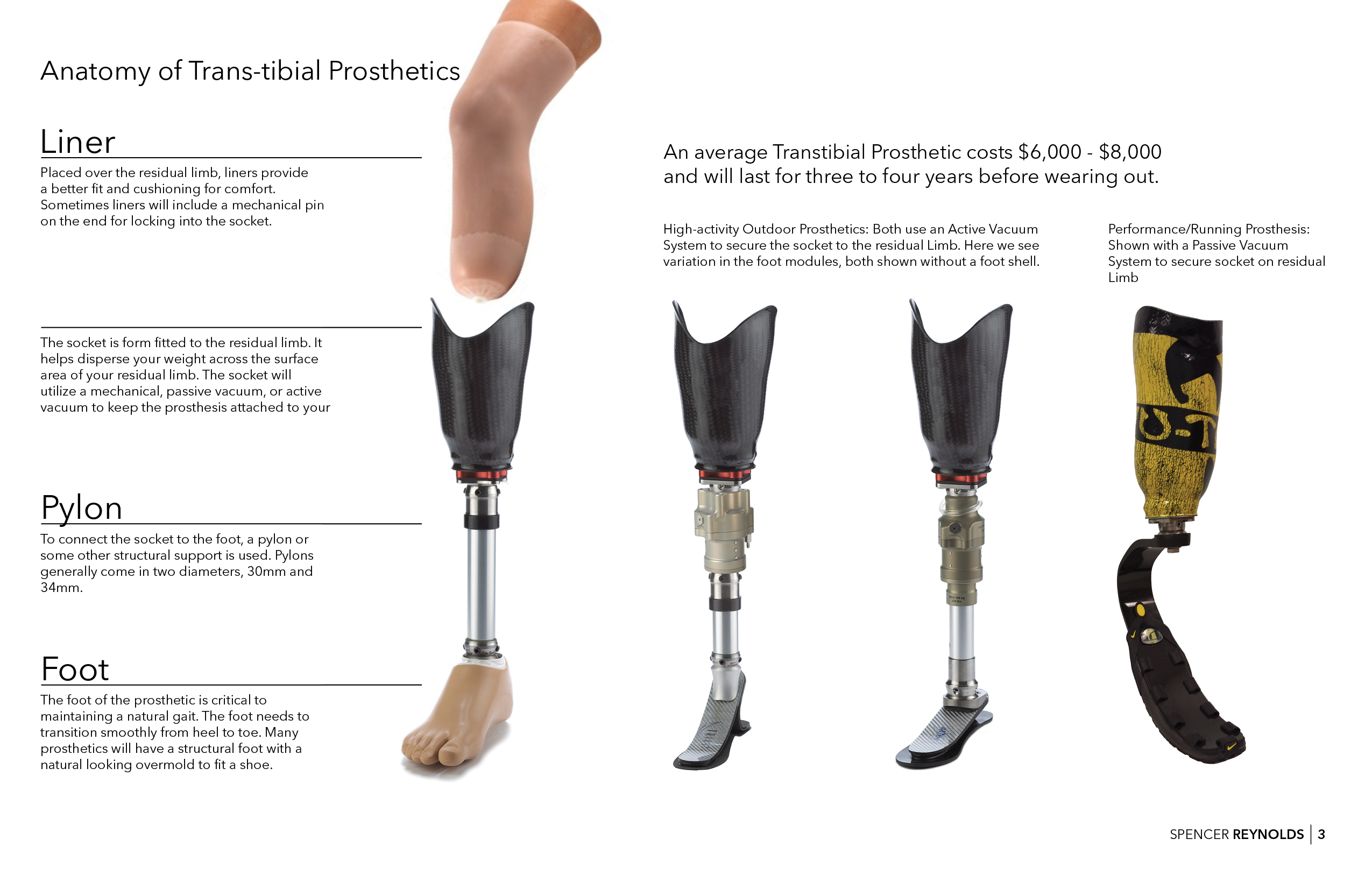
- Lower Limb Prostheses: These devices replace parts of the leg, including the foot, ankle, lower leg, knee, and hip. Lower limb prostheses can be categorized into transtibial (below the knee) and transfemoral (above the knee) prostheses.
- Partial Foot Prostheses: These devices replace parts of the foot, such as the toes, forefoot, or midfoot. They are designed to restore balance and stability during walking.
- Cosmetic Prostheses: These devices are primarily used for aesthetic purposes and do not provide functional benefits. They are often used to cover residual limbs or to create the appearance of a natural limb.
Benefits of Prosthetic Technology
Prosthetic technology offers numerous benefits to individuals with limb differences or amputations. Some of the key advantages include:
- Improved Mobility: Prosthetic devices enable users to walk, run, and perform daily activities with greater ease and independence.
- Enhanced Functionality: Advanced prostheses, such as myoelectric devices, allow users to perform fine motor tasks and interact with their environment more naturally.
- Pain Relief: By redistributing weight and pressure, prostheses can help alleviate pain and discomfort associated with residual limbs.
- Psychological Benefits: Prosthetic devices can boost self-confidence and improve the overall quality of life by restoring a sense of normalcy and independence.
The Future of Prosthetic Technology
The field of prosthetic technology is rapidly advancing, driven by innovations in materials science, robotics, and artificial intelligence. Some of the exciting developments on the horizon include:
- Bionic Prostheses: These advanced devices are equipped with sensors and microprocessors that mimic the natural movement and function of human limbs. Bionic prostheses can provide users with a more intuitive and natural control over their artificial limbs.
- Targeted Muscle Reinnervation (TMR): This surgical procedure involves rerouting nerves from the amputated limb to other muscles, allowing for more precise control of prosthetic devices. TMR, combined with advanced prostheses, can significantly enhance the functionality and usability of artificial limbs.
- 3D Printing: The use of 3D printing technology in the fabrication of prostheses offers several advantages, including customization, cost-effectiveness, and faster production times. 3D-printed prostheses can be tailored to the specific needs and anatomy of individual users, providing a more comfortable and functional fit.
Additionally, ongoing research in the field of neural interfaces aims to develop prostheses that can be controlled directly by the brain. These brain-computer interfaces (BCIs) hold the promise of restoring natural movement and sensation to individuals with limb differences or amputations.
Challenges and Considerations
While prosthetic technology has made significant strides, there are still several challenges and considerations to address. Some of the key issues include:
- Cost: Advanced prosthetic devices can be expensive, making them inaccessible to many individuals who could benefit from them. Efforts are being made to develop more affordable prostheses without compromising quality and functionality.
- Customization: Each individual's needs and anatomy are unique, requiring prostheses to be customized for optimal fit and function. This process can be time-consuming and complex, but advancements in 3D printing and other technologies are helping to streamline it.
- Maintenance: Prosthetic devices require regular maintenance and adjustments to ensure they continue to function properly. Users need to be educated on how to care for their prostheses and recognize when professional assistance is needed.
- User Training: Learning to use a prosthetic device effectively requires time, practice, and often professional guidance. Users may need to undergo rehabilitation and training programs to maximize the benefits of their prostheses.
Despite these challenges, the field of prosthetic technology continues to evolve, driven by a commitment to improving the lives of individuals with limb differences or amputations.
💡 Note: It is important for users to work closely with healthcare professionals and prosthetic specialists to ensure they receive the most appropriate and effective prosthetic device for their needs.
Case Studies and Success Stories
The impact of prosthetic technology can be seen in numerous success stories and case studies. Individuals who have benefited from advanced prostheses often report significant improvements in their mobility, functionality, and overall quality of life. These stories highlight the transformative power of prosthetic technology and the potential it holds for future advancements.
One notable example is the story of Oscar Pistorius, a South African sprinter who became the first double amputee to compete in the Olympics. Pistorius' journey with prosthetic technology showcases the incredible potential of these devices to enable individuals to achieve their goals and overcome physical challenges.
Another inspiring story is that of Claire Lomas, a British woman who completed the London Marathon using a bionic suit. Lomas' achievement demonstrates the resilience and determination of individuals who use prosthetic technology to push the boundaries of what is possible.
Conclusion
Prosthetic technology has come a long way from its humble beginnings, evolving into a sophisticated field that offers hope and improved quality of life to individuals with limb differences or amputations. From myoelectric prostheses to bionic limbs and brain-computer interfaces, the advancements in this field continue to push the boundaries of what is possible. As research and development efforts persist, the future of prosthetic technology holds even greater promise, with the potential to transform the lives of countless individuals around the world.
Related Terms:
- what is orthotics and prosthetics
- prosthesis vs orthotics
- prosthesis meaning medical terminology
- how do you spell prosthetics
- prosthetic implants meaning
- prostheses vs prosthetics