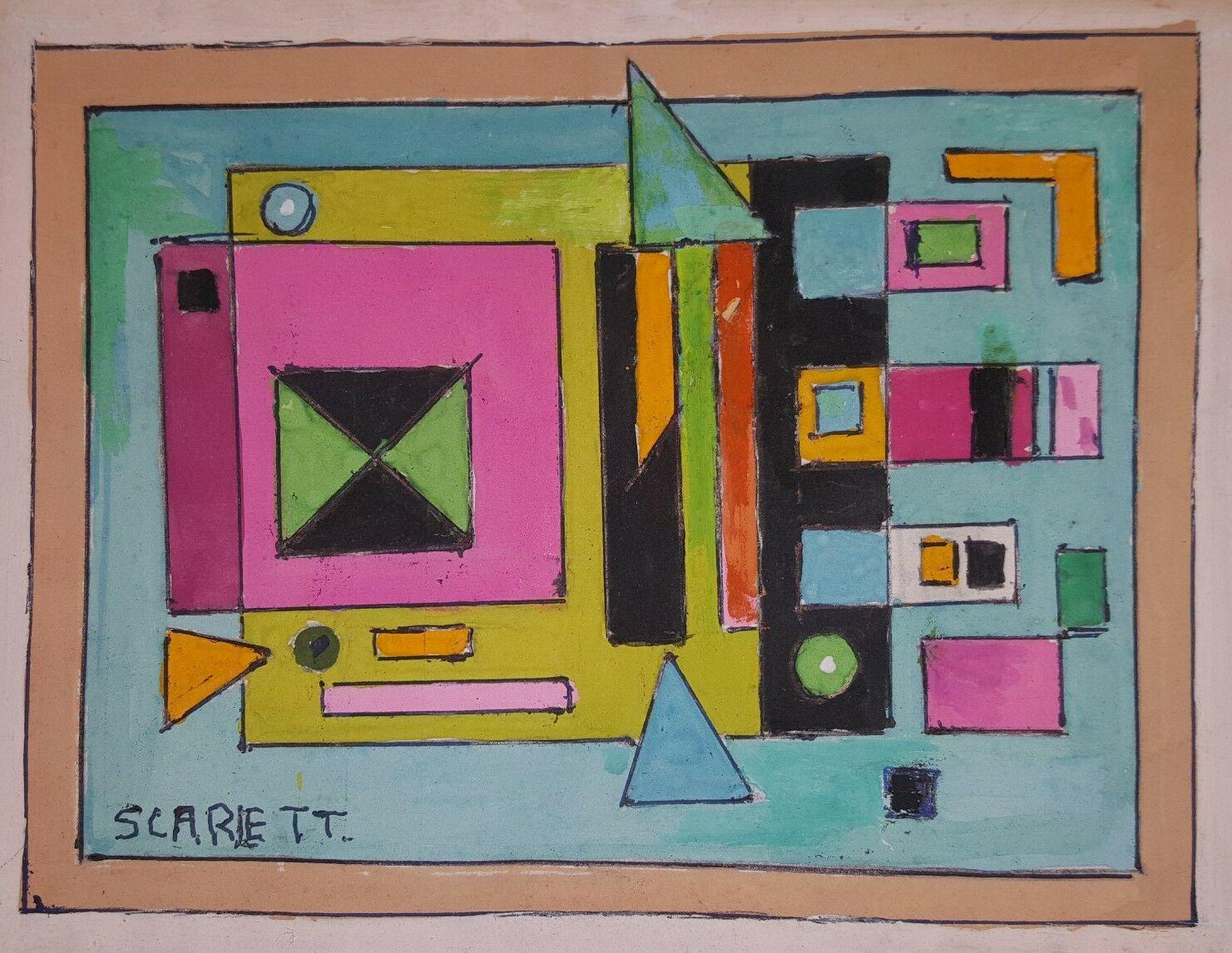
Art has always been a medium for self-expression, allowing artists to convey their emotions, thoughts, and perceptions of the world. However, not all art adheres to the traditional standards of representation and realism. Non Objective Art is a genre that defies conventional norms, focusing instead on the intrinsic qualities of form, color, and line. This type of art is often abstract and does not attempt to represent the physical world in a recognizable manner. Instead, it invites viewers to engage with the artwork on a more intuitive and emotional level.
Understanding Non Objective Art
Non Objective Art, also known as abstract art, is characterized by its departure from realistic representation. It emphasizes the use of shapes, colors, and textures to create a visual experience that is independent of any external reference. This form of art is not about depicting objects or scenes but rather about exploring the essence of visual elements themselves.
One of the pioneers of Non Objective Art was Wassily Kandinsky, a Russian painter and art theorist. Kandinsky believed that art should be a spiritual and emotional experience, and he sought to create works that could evoke these feelings without relying on recognizable forms. His paintings often feature vibrant colors and dynamic shapes that seem to move and interact with each other, creating a sense of harmony and balance.
The Evolution of Non Objective Art
Non Objective Art emerged in the early 20th century as part of the broader modernist movement. Artists began to experiment with new techniques and materials, breaking away from the constraints of traditional art. This period saw the rise of various art movements, including Cubism, Futurism, and Suprematism, each contributing to the development of abstract art.
Cubism, pioneered by Pablo Picasso and Georges Braque, fragmented objects into geometric shapes, challenging the traditional notion of perspective and representation. Futurism, on the other hand, celebrated speed, technology, and the dynamism of modern life, often depicting movement and energy through abstract forms. Suprematism, founded by Kazimir Malevich, focused on the use of basic geometric shapes and primary colors to create a sense of purity and spirituality.
Key Characteristics of Non Objective Art
Non Objective Art is defined by several key characteristics that set it apart from other forms of art:
- Abstraction: The artwork does not represent any specific object or scene from the real world. Instead, it uses abstract forms and shapes to create a visual experience.
- Emphasis on Form and Color: The focus is on the intrinsic qualities of form, color, and line. Artists use these elements to create a sense of harmony, balance, and movement.
- Emotional Expression: Non Objective Art often aims to evoke emotions and feelings in the viewer. It invites a more intuitive and personal response, rather than a rational or analytical one.
- Innovation and Experimentation: Artists in this genre often experiment with new techniques, materials, and styles. They push the boundaries of traditional art, exploring new ways to express themselves.
Notable Artists and Works
Several artists have made significant contributions to the field of Non Objective Art. Here are a few notable examples:
| Artist | Work | Description |
|---|---|---|
| Wassily Kandinsky | Composition VII | A vibrant and dynamic painting featuring a complex interplay of shapes, colors, and lines. It is considered one of Kandinsky's masterpieces and a seminal work in abstract art. |
| Kazimir Malevich | Black Square | A simple yet powerful painting consisting of a black square on a white background. It is a seminal work in Suprematism and represents the artist's exploration of pure form and color. |
| Mark Rothko | Orange, Red, Yellow | A large-scale painting featuring rectangular blocks of color that seem to float on the canvas. Rothko's work is known for its emotional depth and meditative quality. |
| Jackson Pollock | No. 5, 1948 | A drip painting created by pouring and flicking paint onto a canvas laid on the floor. Pollock's work is characterized by its energetic and spontaneous style, often referred to as "action painting." |
These artists, among many others, have contributed to the rich and diverse landscape of Non Objective Art. Their works continue to inspire and influence artists today, pushing the boundaries of what art can be.
The Impact of Non Objective Art
Non Objective Art has had a profound impact on the art world, challenging traditional notions of representation and beauty. It has opened up new possibilities for artistic expression, allowing artists to explore the inner workings of their minds and emotions. This form of art has also influenced other fields, such as design, architecture, and even technology, where abstract forms and colors are used to create visually appealing and functional spaces.
Moreover, Non Objective Art has played a significant role in the development of contemporary art. Many modern artists continue to draw inspiration from the abstract and non-representational forms pioneered by early 20th-century artists. The legacy of Non Objective Art can be seen in various contemporary art movements, including minimalism, conceptual art, and installation art.
📝 Note: The impact of Non Objective Art extends beyond the art world, influencing various aspects of modern life, from graphic design to interior decorating.
Engaging with Non Objective Art
Engaging with Non Objective Art can be a deeply personal and rewarding experience. Unlike traditional art, which often relies on recognizable forms and narratives, abstract art invites viewers to interpret and engage with the artwork on their own terms. Here are some tips for appreciating Non Objective Art:
- Take Your Time: Spend some time with the artwork, allowing your eyes to wander and take in the various shapes, colors, and textures.
- Trust Your Instincts: Don't try to analyze the artwork rationally. Instead, trust your instincts and let your emotions guide your response.
- Explore the Details: Look closely at the details of the artwork, such as the brushstrokes, textures, and layers of color. These details can reveal a lot about the artist's technique and intentions.
- Reflect on Your Experience: After viewing the artwork, take some time to reflect on your experience. What emotions did it evoke? What thoughts did it inspire? How did it make you feel?
By engaging with Non Objective Art in this way, you can gain a deeper appreciation for the artwork and its creator. You may also discover new insights about yourself and your own creative potential.
Non Objective Art is a genre that defies conventional norms, focusing instead on the intrinsic qualities of form, color, and line. This type of art is often abstract and does not attempt to represent the physical world in a recognizable manner. Instead, it invites viewers to engage with the artwork on a more intuitive and emotional level.
Non Objective Art has had a profound impact on the art world, challenging traditional notions of representation and beauty. It has opened up new possibilities for artistic expression, allowing artists to explore the inner workings of their minds and emotions. This form of art has also influenced other fields, such as design, architecture, and even technology, where abstract forms and colors are used to create visually appealing and functional spaces.
Moreover, Non Objective Art has played a significant role in the development of contemporary art. Many modern artists continue to draw inspiration from the abstract and non-representational forms pioneered by early 20th-century artists. The legacy of Non Objective Art can be seen in various contemporary art movements, including minimalism, conceptual art, and installation art.
Engaging with Non Objective Art can be a deeply personal and rewarding experience. Unlike traditional art, which often relies on recognizable forms and narratives, abstract art invites viewers to interpret and engage with the artwork on their own terms. By taking your time, trusting your instincts, exploring the details, and reflecting on your experience, you can gain a deeper appreciation for the artwork and its creator. You may also discover new insights about yourself and your own creative potential.
Non Objective Art continues to evolve and inspire, offering a rich and diverse landscape for artistic expression. Whether you are an artist, a collector, or simply an art enthusiast, there is always more to discover and explore in the world of abstract art.
Related Terms:
- non objective artwork 1960s
- famous non objective artwork
- non representational or objective artworks
- non objective art famous
- non objective art easy
- non objective definition in art