Growing pepper plants can be a rewarding experience for both novice and experienced gardeners. Peppers, whether sweet or hot, add a vibrant splash of color and a delightful flavor to your garden and kitchen. This guide will walk you through the entire process of growing pepper plants, from selecting the right seeds to harvesting your homegrown peppers.
Choosing the Right Pepper Varieties
When it comes to growing pepper plants, the first step is selecting the right varieties. Peppers come in a wide range of shapes, sizes, and flavors. Some popular varieties include:
- Bell Peppers: These are sweet and come in various colors like green, red, yellow, and orange.
- Jalapeños: Known for their moderate heat, these peppers are great for salsas and sauces.
- Habaneros: These are extremely hot and add a fiery kick to dishes.
- Cayenne Peppers: Long and thin, these peppers are moderately hot and often used in powdered form.
- Poblano Peppers: These are mild to medium-hot and are commonly used in Mexican cuisine.
Consider your taste preferences and the climate in your region when choosing pepper varieties. Some peppers are more heat-tolerant, while others thrive in cooler conditions.
Preparing for Planting
Before you start growing pepper plants, it's essential to prepare the right environment. Peppers thrive in well-drained soil with a pH between 6.0 and 6.8. They also require plenty of sunlight, ideally 6-8 hours of direct sunlight per day.
If you're starting from seeds, you can sow them indoors about 8-10 weeks before the last frost date. Use seed-starting trays or small pots filled with a sterile seed-starting mix. Plant the seeds about 1/4 inch deep and keep the soil consistently moist. Place the trays in a warm location, ideally around 70-80°F (21-27°C), until the seeds germinate, which usually takes 7-14 days.
Once the seedlings have developed their first true leaves, you can transplant them into larger pots or directly into the garden if the weather is warm enough. Harden off the seedlings by gradually exposing them to outdoor conditions over a week.
Planting Pepper Plants
When planting pepper plants, choose a location with full sun and well-drained soil. Space the plants 18-24 inches apart in rows that are 24-36 inches apart. Dig a hole deep enough to accommodate the root ball and plant the pepper at the same depth it was in its container. Water the plants thoroughly after planting.
If you're growing pepper plants in containers, choose a pot that is at least 12 inches deep and wide. Use a well-draining potting mix and ensure the container has drainage holes to prevent waterlogging.
📝 Note: Pepper plants are sensitive to cold temperatures. Ensure the soil temperature is at least 60°F (15°C) before planting.
Caring for Pepper Plants
Proper care is crucial for growing healthy pepper plants. Here are some key aspects to consider:
Watering
Peppers need consistent moisture, especially when they are fruiting. Water the plants deeply once or twice a week, depending on the weather and soil conditions. Avoid overhead watering to prevent fungal diseases. Use a soaker hose or drip irrigation system for efficient watering.
Fertilizing
Fertilize pepper plants with a balanced, water-soluble fertilizer every 4-6 weeks. You can also use a slow-release fertilizer at the time of planting. Avoid over-fertilizing, as it can lead to excessive foliage growth at the expense of fruit production.
Mulching
Apply a layer of organic mulch around the base of the plants to retain moisture, suppress weeds, and regulate soil temperature. Use materials like straw, wood chips, or grass clippings.
Pruning
Pruning pepper plants can encourage bushier growth and better fruit production. Pinch back the growing tips when the plants are about 12 inches tall. This will promote side branching and more flower and fruit development.
Pest and Disease Management
Keep an eye out for common pepper plant pests like aphids, spider mites, and whiteflies. Use insecticidal soap or neem oil to control these pests. For diseases, ensure good air circulation and avoid overhead watering to prevent fungal infections. Rotate crops annually to minimize the risk of soil-borne diseases.
Harvesting Peppers
Peppers can be harvested at various stages of maturity, depending on your preference. Green peppers are typically harvested when they are fully grown but still green. For sweeter and more mature peppers, allow them to turn their final color, which can be red, yellow, orange, or purple, depending on the variety.
To harvest, use a sharp knife or pruners to cut the peppers from the plant. Be careful not to damage the plant or other fruits. Regular harvesting encourages the plant to produce more peppers.
📝 Note: Wear gloves when handling hot peppers to avoid skin irritation. Avoid touching your face or eyes after handling peppers.
Storing and Using Peppers
Fresh peppers can be stored in the refrigerator for up to a week. For longer storage, you can freeze, can, or dehydrate peppers. Frozen peppers are great for use in cooked dishes, while dehydrated peppers can be ground into powder for seasoning.
Peppers are versatile in the kitchen. They can be used in salads, stir-fries, sauces, and salsas. Experiment with different recipes to make the most of your homegrown peppers.
Common Issues and Troubleshooting
Even with the best care, you might encounter some issues when growing pepper plants. Here are some common problems and their solutions:
| Issue | Cause | Solution |
|---|---|---|
| Yellowing Leaves | Overwatering or nutrient deficiency | Adjust watering schedule and fertilize with a balanced fertilizer |
| Poor Fruit Set | Inadequate pollination or extreme temperatures | Ensure proper pollination by attracting bees and maintain consistent temperatures |
| Blossom End Rot | Calcium deficiency or inconsistent watering | Apply a calcium-rich fertilizer and maintain consistent watering |
| Pests and Diseases | Various factors | Use organic pesticides and maintain good garden hygiene |
Regularly monitor your pepper plants for signs of stress or disease. Early detection and treatment can prevent major issues and ensure a healthy harvest.
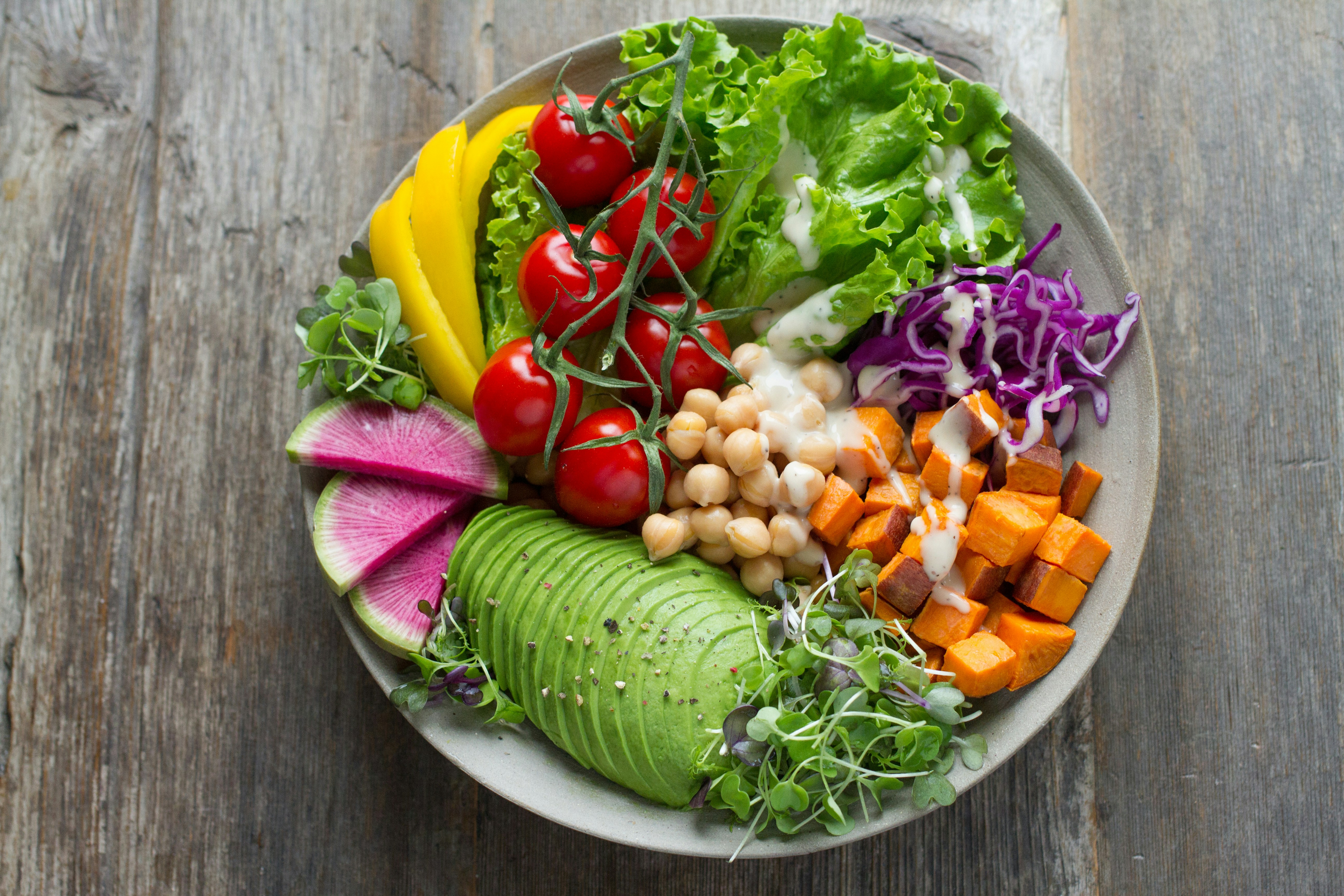
Growing pepper plants can be a fulfilling experience that yields delicious results. By selecting the right varieties, providing proper care, and addressing any issues promptly, you can enjoy a bountiful harvest of homegrown peppers. Whether you prefer sweet bell peppers or spicy habaneros, the process of growing pepper plants is both educational and rewarding. From the initial planting to the final harvest, each step brings you closer to enjoying the fruits of your labor. The vibrant colors and flavors of your homegrown peppers will add a special touch to your meals, making the effort well worth it. So, roll up your sleeves, get your hands dirty, and start growing pepper plants today. The journey from seed to harvest is an adventure that will leave you with a deeper appreciation for the beauty and bounty of nature.
Related Terms:
- best time to grow peppers
- growing pepper plants in containers
- growing fresh peppers in garden
- how to grow peppers successfully
- how to grow bigger peppers
- best time to plant peppers