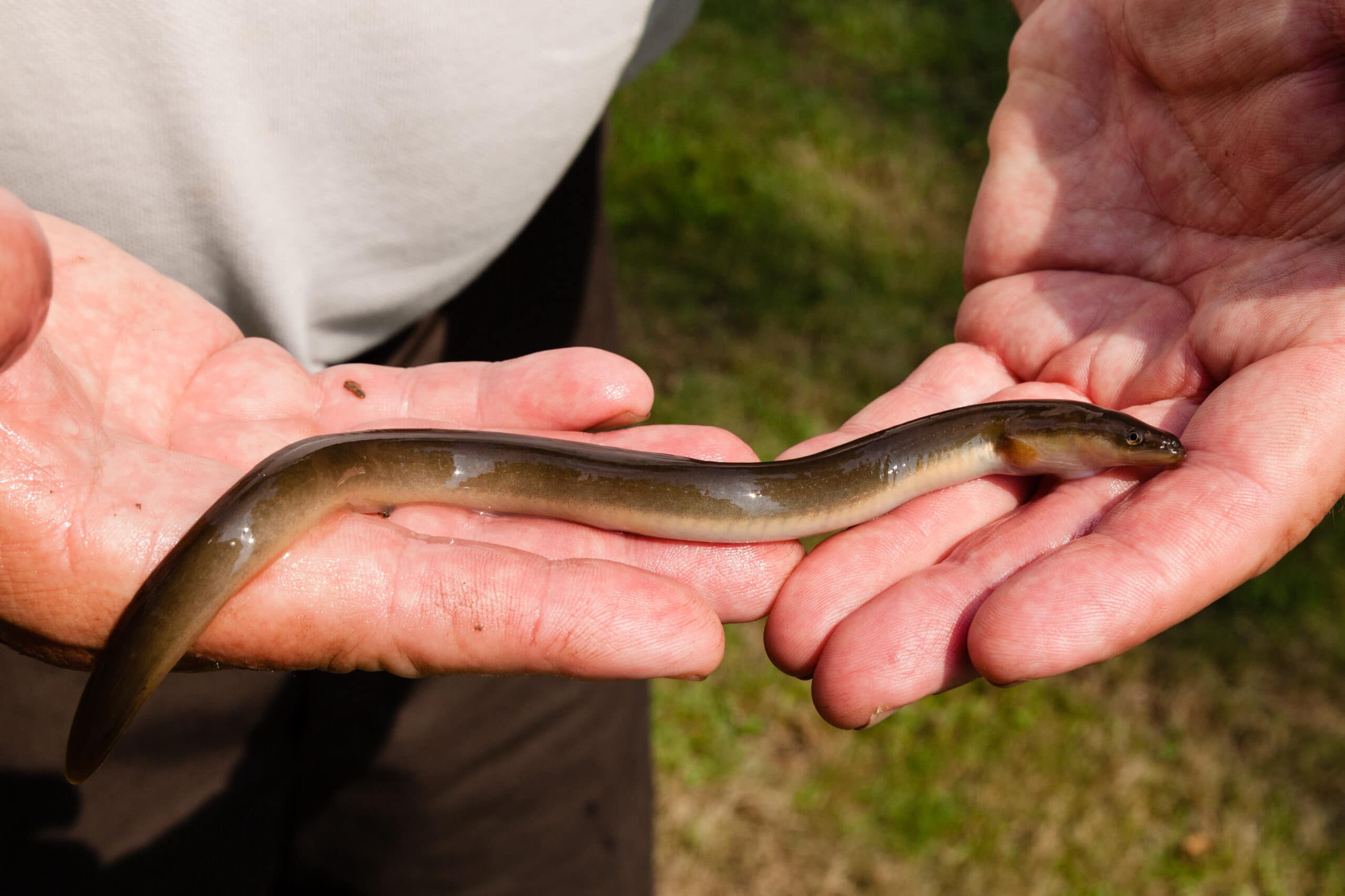
Freshwater eels are fascinating creatures that have captivated the interest of scientists, anglers, and aquarists alike. These elusive and mysterious fish are known for their unique life cycle, which includes a remarkable journey from freshwater habitats to the open ocean and back again. Understanding the biology, habitat, and conservation status of freshwater eels is crucial for appreciating their significance in aquatic ecosystems.
Understanding Freshwater Eels
Freshwater eels belong to the family Anguillidae and are found in various freshwater environments around the world. The most well-known species include the European eel (*Anguilla anguilla*), the Japanese eel (*Anguilla japonica*), and the American eel (*Anguilla rostrata*). These eels are characterized by their elongated, snake-like bodies, which are well-adapted for navigating through complex aquatic habitats.
One of the most intriguing aspects of freshwater eels is their catadromous life cycle. This means that they spend most of their lives in freshwater but migrate to the ocean to reproduce. The life cycle of a freshwater eel can be broken down into several stages:
- Larval Stage (Leptocephalus): The journey begins in the open ocean, where eels hatch from eggs and develop into transparent, leaf-like larvae known as leptocephali. These larvae drift with ocean currents for several months before metamorphosing into glass eels.
- Glass Eel Stage: Glass eels are small, transparent, and have a silvery appearance. They enter freshwater systems, often carried by currents and tides, and begin their transformation into elvers.
- Elver Stage: Elvers are juvenile eels that have developed pigmentation and are more robust. They continue to grow and develop in freshwater habitats, feeding on small invertebrates and other prey.
- Yellow Eel Stage: As elvers mature, they become yellow eels, characterized by their yellowish-brown color. This stage can last for several years, during which the eels grow and store energy for their eventual migration back to the ocean.
- Silver Eel Stage: When the time comes for reproduction, yellow eels transform into silver eels. These eels have a silvery appearance and enlarged eyes, adaptations for their long journey back to the ocean. They migrate downstream, often traveling thousands of kilometers to reach their spawning grounds in the Sargasso Sea.
- Reproductive Stage: Once they reach the spawning grounds, silver eels reproduce and die. The eggs hatch into leptocephali, continuing the cycle.
Habitat and Distribution
Freshwater eels are found in a wide range of freshwater habitats, including rivers, lakes, and ponds. They are particularly abundant in temperate and tropical regions, where they play important roles in aquatic food webs. The distribution of freshwater eels is influenced by several factors, including water quality, temperature, and the availability of suitable habitats for each stage of their life cycle.
In Europe, the European eel is found in rivers and lakes throughout the continent, with significant populations in countries like Denmark, Germany, and France. The Japanese eel is native to East Asia, particularly Japan, China, and Korea. The American eel is widespread along the eastern coast of North America, from Greenland to Venezuela.
Freshwater eels are known for their adaptability and can tolerate a wide range of environmental conditions. However, they are sensitive to pollution and habitat degradation, which can impact their populations and overall health.
Conservation Status
The conservation status of freshwater eels is a growing concern due to declines in their populations. Several factors contribute to these declines, including overfishing, habitat loss, and environmental pollution. The European eel, for example, is listed as critically endangered by the International Union for Conservation of Nature (IUCN).
Overfishing is a significant threat to freshwater eel populations. Eels are highly valued for their meat and are often caught in large numbers for commercial and recreational purposes. The practice of glass eel fishing, where young eels are harvested as they enter freshwater systems, is particularly detrimental to population recovery.
Habitat loss and degradation also pose serious threats to freshwater eels. Urbanization, agriculture, and other human activities can alter aquatic habitats, making them unsuitable for eel populations. Dams and other barriers can impede the migration of eels, preventing them from reaching their spawning grounds.
Environmental pollution, including chemical contaminants and sediment runoff, can negatively impact the health and survival of freshwater eels. Pollutants can accumulate in eel tissues, affecting their reproductive success and overall fitness.
To address these conservation challenges, various initiatives and regulations have been implemented. For example, the European Union has established strict quotas and regulations for eel fishing to help protect declining populations. Conservation efforts also focus on habitat restoration, pollution control, and the removal of barriers to eel migration.
Cultural and Economic Significance
Freshwater eels hold significant cultural and economic importance in many regions around the world. In Japan, eels are a traditional delicacy and are often served as a dish called "unagi." The eel industry in Japan is well-established, with eels being farmed and harvested for commercial purposes. Similarly, in Europe and North America, eels are valued for their meat and are often used in various culinary dishes.
Eels also play a crucial role in local economies, particularly in areas where eel fishing is a traditional practice. The commercial value of eels can provide income and employment opportunities for local communities. However, the sustainability of these practices is a growing concern, as overfishing and habitat degradation threaten eel populations.
In addition to their economic value, freshwater eels have cultural significance in many societies. They are often featured in folklore, mythology, and traditional stories. For example, in Japanese culture, eels are associated with strength and resilience, symbolizing the ability to overcome adversity.
Scientific Research and Conservation Efforts
Scientific research plays a vital role in understanding the biology and ecology of freshwater eels. Researchers study various aspects of eel life cycles, including their migration patterns, reproductive biology, and genetic diversity. This knowledge is essential for developing effective conservation strategies and management practices.
Conservation efforts for freshwater eels involve a multidisciplinary approach, including:
- Habitat Restoration: Efforts to restore and protect freshwater habitats, such as rivers and wetlands, are crucial for supporting eel populations. This includes removing barriers to migration, such as dams, and improving water quality.
- Pollution Control: Reducing pollution and chemical contaminants in aquatic environments can help protect eel health and reproductive success. This involves implementing stricter regulations on industrial discharges and agricultural runoff.
- Sustainable Fishing Practices: Establishing and enforcing sustainable fishing practices, including quotas and size limits, can help prevent overfishing and ensure the long-term viability of eel populations.
- Public Awareness and Education: Raising awareness about the importance of freshwater eels and the threats they face can encourage public support for conservation efforts. Educational programs and outreach initiatives can help inform the public about the role of eels in aquatic ecosystems and the need for their protection.
One notable example of conservation efforts is the European Eel Management Plan, which aims to restore eel populations to sustainable levels. This plan includes measures such as reducing fishing pressure, improving habitat connectivity, and enhancing water quality. Similar initiatives are being implemented in other regions to address the conservation challenges faced by freshwater eels.
📝 Note: Conservation efforts for freshwater eels require collaboration between governments, scientists, and local communities. By working together, it is possible to develop effective strategies for protecting these important species and ensuring their long-term survival.
Future Prospects
The future of freshwater eels depends on our ability to address the challenges they face and implement effective conservation measures. Continued research and monitoring are essential for understanding the dynamics of eel populations and the factors that influence their survival. By taking proactive steps to protect freshwater eels and their habitats, we can help ensure that these remarkable creatures continue to thrive in our aquatic ecosystems.
Innovative technologies and approaches, such as genetic studies and advanced tracking methods, can provide valuable insights into eel biology and migration patterns. These tools can help inform conservation strategies and improve our understanding of the complex life cycles of freshwater eels.
Collaboration between international organizations, governments, and local communities is crucial for the successful conservation of freshwater eels. By sharing knowledge and resources, we can develop comprehensive and effective strategies for protecting these important species and their habitats.
In conclusion, freshwater eels are fascinating and ecologically significant creatures that face numerous challenges due to human activities. Understanding their biology, habitat requirements, and conservation needs is essential for ensuring their long-term survival. Through continued research, sustainable practices, and collaborative efforts, we can help protect freshwater eels and preserve the biodiversity of our aquatic ecosystems.
Related Terms:
- freshwater eel japanese
- freshwater eel sushi
- small freshwater eel
- freshwater eel species
- american eel habitat
- australian freshwater eel