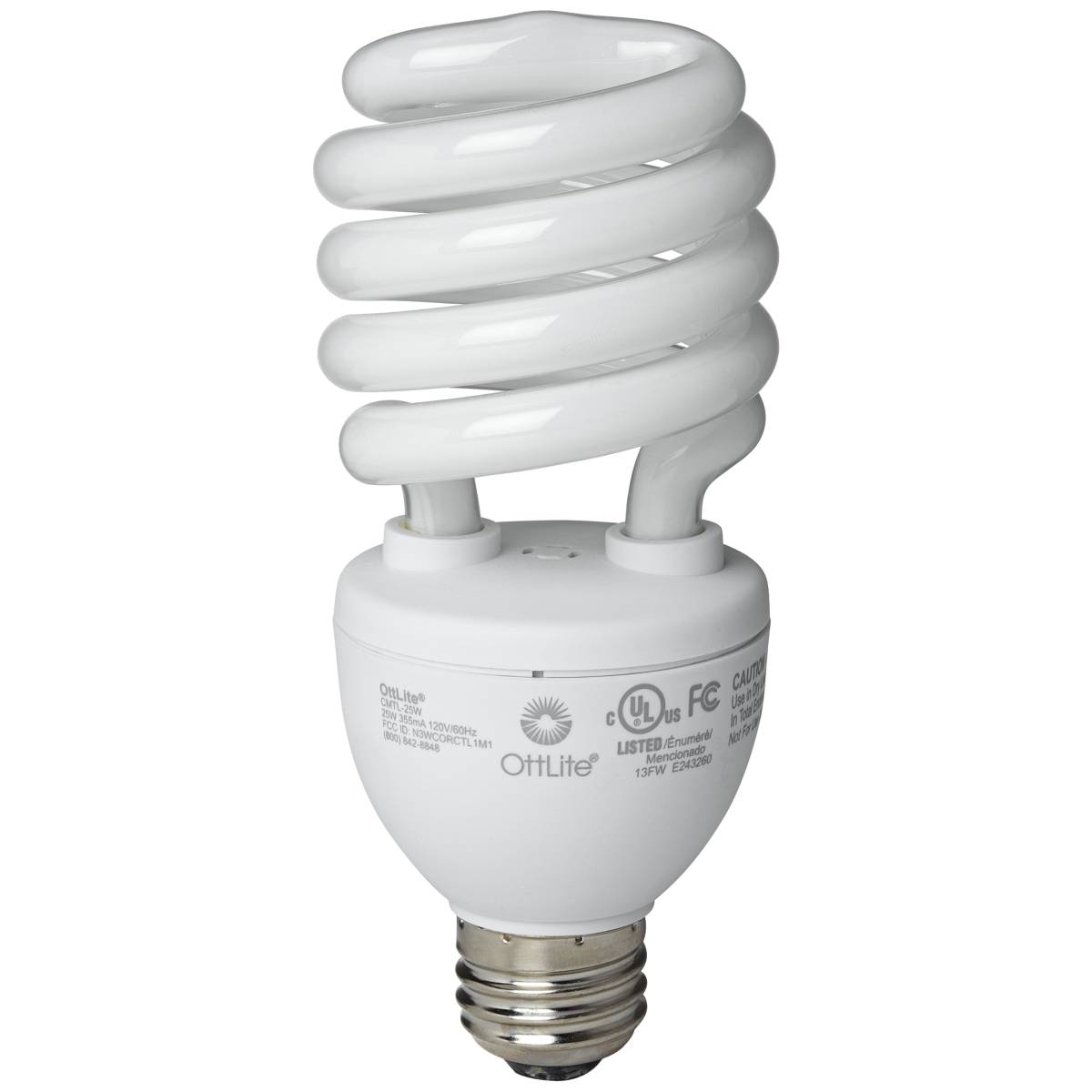
Fluorescent light bulbs have been a staple in both residential and commercial lighting for decades. Their energy efficiency and longevity make them a popular choice for many applications. However, with the advent of newer technologies like LED lighting, it's essential to understand the pros and cons of fluorescent light bulbs to make informed decisions.
Understanding Fluorescent Light Bulbs
Fluorescent light bulbs operate by passing an electric current through a gas-filled tube, which excites mercury atoms to produce ultraviolet (UV) light. This UV light then interacts with a phosphor coating on the inside of the tube, converting it into visible light. This process is more energy-efficient than traditional incandescent bulbs, which produce light by heating a filament.
Types of Fluorescent Light Bulbs
There are several types of fluorescent light bulbs, each suited to different applications:
- Linear Fluorescent Tubes: These are the most common type, often used in commercial and industrial settings. They come in various lengths and diameters, such as T8 and T12 tubes.
- Compact Fluorescent Lamps (CFLs): These are smaller, coiled versions designed to replace traditional incandescent bulbs in residential settings.
- U-Shaped Fluorescent Tubes: These are used in specific applications where space is limited, such as in refrigerators or under-cabinet lighting.
- Circular Fluorescent Tubes: These are often used in decorative lighting fixtures.
Advantages of Fluorescent Light Bulbs
Fluorescent light bulbs offer several advantages:
- Energy Efficiency: Fluorescent bulbs use less energy to produce the same amount of light as incandescent bulbs, making them more cost-effective in the long run.
- Longevity: They have a longer lifespan compared to incandescent bulbs, reducing the frequency of replacements.
- Cooler Operation: Fluorescent bulbs produce less heat, making them safer to use and reducing the load on air conditioning systems.
- Versatility: Available in a range of sizes and shapes, fluorescent bulbs can be used in various applications.
Disadvantages of Fluorescent Light Bulbs
Despite their advantages, fluorescent light bulbs also have some drawbacks:
- Mercury Content: Fluorescent bulbs contain mercury, a toxic substance that requires careful disposal to prevent environmental contamination.
- Flickering: Some fluorescent bulbs may flicker, which can be annoying and potentially harmful to those with photosensitive conditions.
- Cold Temperature Performance: Fluorescent bulbs may not perform well in very cold temperatures, reducing their effectiveness in unheated spaces.
- Initial Cost: While they are cost-effective in the long run, the initial cost of fluorescent bulbs can be higher than incandescent bulbs.
Applications of Fluorescent Light Bulbs
Fluorescent light bulbs are used in a wide range of applications, including:
- Commercial Spaces: Offices, retail stores, and warehouses often use linear fluorescent tubes for general lighting.
- Residential Settings: CFLs are commonly used in homes for general lighting, task lighting, and decorative purposes.
- Industrial Settings: High-bay fluorescent fixtures are used in factories and workshops for bright, even lighting.
- Specialized Applications: U-shaped and circular fluorescent tubes are used in specific applications like refrigerators and decorative fixtures.
Environmental Impact of Fluorescent Light Bulbs
While fluorescent light bulbs are more energy-efficient than incandescent bulbs, their environmental impact is a concern due to the mercury content. Proper disposal is crucial to prevent mercury from entering the environment. Many regions have regulations in place for the disposal of fluorescent bulbs, including recycling programs that ensure the mercury is safely removed and the materials are recycled.
When disposing of fluorescent light bulbs, it is important to follow these steps:
- Place the broken bulb in a sealed plastic bag to prevent mercury from escaping.
- Contact your local waste management facility to find out about recycling programs for fluorescent bulbs.
- Never throw fluorescent bulbs in the regular trash.
📝 Note: Always handle broken fluorescent bulbs with care to avoid exposure to mercury. Wear gloves and use a damp paper towel to clean up any broken pieces.
Comparing Fluorescent Light Bulbs to LED Lighting
LED lighting has emerged as a popular alternative to fluorescent light bulbs. Here's a comparison of the two:
| Feature | Fluorescent Light Bulbs | LED Lighting |
|---|---|---|
| Energy Efficiency | More efficient than incandescent bulbs | More efficient than fluorescent bulbs |
| Lifespan | Up to 10,000 hours | Up to 50,000 hours |
| Heat Production | Produces less heat than incandescent bulbs | Produces very little heat |
| Mercury Content | Contains mercury | Does not contain mercury |
| Initial Cost | Higher than incandescent bulbs | Higher than fluorescent bulbs |
While LED lighting offers many advantages, the initial cost can be a barrier for some. However, the long-term savings in energy and replacement costs often make LED lighting a worthwhile investment.
Maintenance and Care of Fluorescent Light Bulbs
To ensure the longevity and efficiency of fluorescent light bulbs, proper maintenance and care are essential:
- Regular Cleaning: Dust and dirt can accumulate on the surface of fluorescent bulbs, reducing their light output. Regularly clean the bulbs with a soft, dry cloth.
- Proper Disposal: Always dispose of fluorescent bulbs according to local regulations to prevent environmental contamination.
- Avoid Frequent Switching: Frequent on-off cycling can reduce the lifespan of fluorescent bulbs. Use timers or occupancy sensors to minimize switching.
- Check for Flickering: If a fluorescent bulb starts to flicker, it may be nearing the end of its lifespan. Replace it promptly to avoid potential hazards.
📝 Note: Always turn off fluorescent bulbs when leaving a room to conserve energy and extend their lifespan.
Fluorescent light bulbs have been a reliable source of lighting for many years, offering energy efficiency and longevity. However, with the rise of LED technology, it’s important to weigh the pros and cons of each option. While fluorescent bulbs still have their place in many applications, the environmental impact and the availability of more efficient alternatives like LED lighting should be considered. Proper maintenance and disposal of fluorescent bulbs are crucial to minimize their environmental footprint and ensure safe and efficient operation.
Related Terms:
- incandescent light bulbs
- fluorescent light bulbs disposal
- fluorescent light bulb types chart
- philips fluorescent light bulbs
- fluorescent light bulbs at lowe's
- fluorescent light bulbs sizes