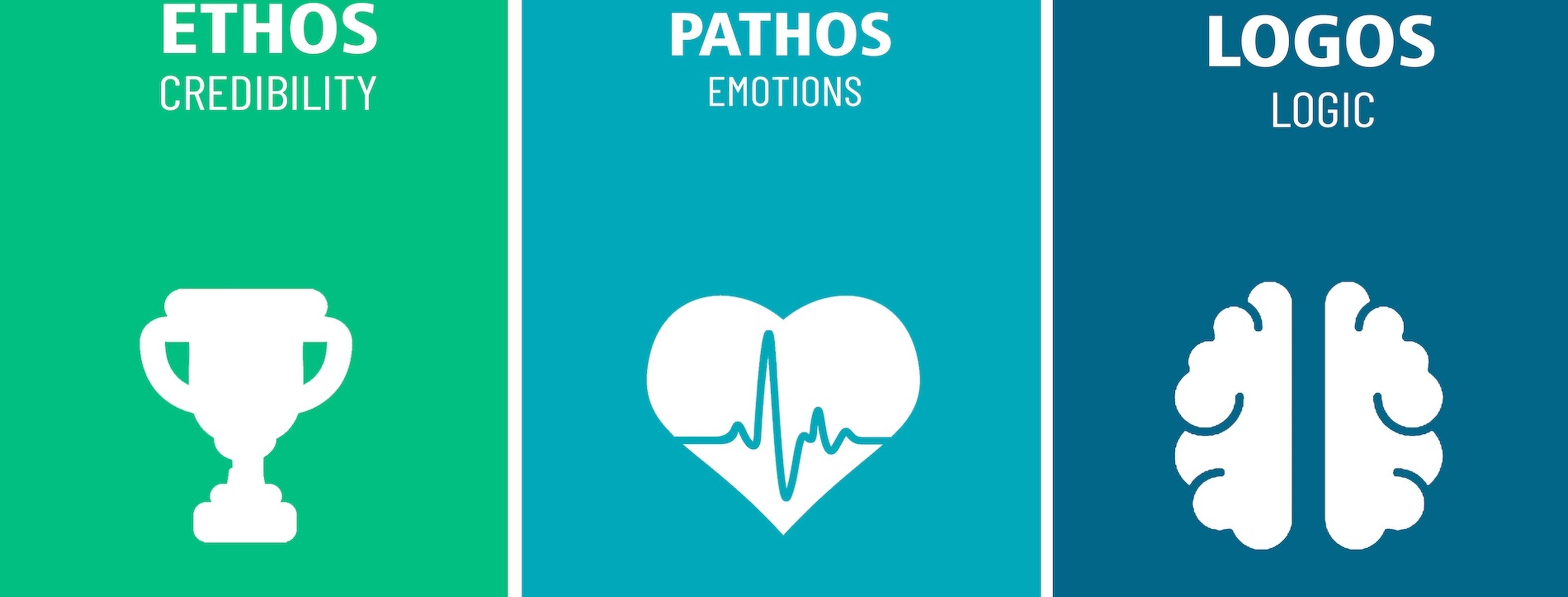
In the realm of persuasive communication, the concepts of *Ethos*, *Logos*, *Pathos*, and *Kairos* form the cornerstone of effective rhetoric. These classical elements, derived from ancient Greek philosophy, continue to be relevant in modern communication strategies. Understanding and applying these principles can significantly enhance the persuasiveness of your arguments, whether in writing, speaking, or any form of public discourse.
Understanding Ethos, Logos, Pathos, and Kairos
To master the art of persuasion, it is essential to grasp the meaning and application of *Ethos*, *Logos*, *Pathos*, and *Kairos*. Each of these elements plays a crucial role in shaping how your message is received and understood by your audience.
Ethos: Establishing Credibility
*Ethos* refers to the ethical appeal or the credibility of the speaker or writer. It is about building trust and establishing yourself as a reliable source of information. When your audience perceives you as credible, they are more likely to accept your arguments and be persuaded by your message.
To build *Ethos*, consider the following strategies:
- Demonstrate Expertise: Show that you have a deep understanding of the subject matter. This can be done through citations, references, and examples that support your claims.
- Maintain Integrity: Be honest and transparent in your communication. Avoid exaggerations or misrepresentations, as these can quickly erode your credibility.
- Show Empathy: Understand and address the concerns and needs of your audience. This demonstrates that you care about their perspective and are not just focused on pushing your own agenda.
Logos: The Power of Logic
*Logos* involves the logical appeal, focusing on the use of reason and evidence to support your arguments. A well-structured argument backed by solid evidence is more likely to persuade your audience. *Logos* is about presenting your ideas in a clear, coherent, and logical manner.
To enhance *Logos* in your communication, follow these steps:
- Use Evidence: Support your claims with data, statistics, and examples. This makes your arguments more convincing and harder to refute.
- Structure Your Argument: Organize your points in a logical sequence. Start with an introduction, followed by the main body where you present your arguments, and conclude with a summary.
- Avoid Fallacies: Be aware of logical fallacies and avoid them in your arguments. Fallacies can weaken your position and make your arguments less persuasive.
Pathos: Appealing to Emotions
*Pathos* refers to the emotional appeal, which involves connecting with your audience on an emotional level. Emotions play a significant role in decision-making, and tapping into them can make your message more impactful. However, it is important to use *Pathos* ethically and not manipulate your audience's emotions.
To effectively use *Pathos*, consider the following:
- Storytelling: Use narratives and anecdotes to illustrate your points. Stories can evoke emotions and make your message more relatable.
- Emotional Language: Choose words and phrases that resonate emotionally with your audience. This can help create a stronger connection and make your message more memorable.
- Visual Aids: Use images, videos, and other visual elements to enhance the emotional impact of your message. Visuals can evoke emotions more powerfully than text alone.
Kairos: Timing and Context
*Kairos* is about the timing and context of your message. It involves understanding when and where to deliver your message for maximum impact. The right timing can make your arguments more relevant and persuasive, while the wrong timing can render them ineffective.
To leverage *Kairos*, consider the following:
- Contextual Relevance: Ensure that your message is relevant to the current situation and the needs of your audience. Timing your message to coincide with important events or trends can increase its impact.
- Audience Awareness: Understand your audience's current mindset and emotional state. Delivering your message at a time when your audience is more receptive can enhance its effectiveness.
- Adaptability: Be prepared to adjust your message based on changing circumstances. Flexibility in timing and context can help you stay relevant and persuasive.
Applying Ethos, Logos, Pathos, and Kairos in Modern Communication
In today's fast-paced and digitally connected world, the principles of *Ethos*, *Logos*, *Pathos*, and *Kairos* are more relevant than ever. Whether you are crafting a persuasive speech, writing a compelling blog post, or creating a marketing campaign, these elements can help you connect with your audience more effectively.
Ethos in Digital Communication
In the digital age, building *Ethos* often involves establishing an online presence that reflects your expertise and credibility. This can be achieved through:
- Social Media Profiles: Maintain professional and informative social media profiles that showcase your knowledge and experience.
- Content Creation: Create high-quality content that demonstrates your expertise. This can include blog posts, videos, podcasts, and more.
- Engagement: Engage with your audience by responding to comments and questions. This shows that you are approachable and willing to share your knowledge.
Logos in Data-Driven Decisions
In a world driven by data, *Logos* is crucial for making informed decisions. To enhance *Logos* in data-driven communication:
- Data Visualization: Use charts, graphs, and infographics to present data in a clear and compelling manner.
- Statistical Analysis: Conduct thorough statistical analysis to support your claims. This adds credibility to your arguments and makes them more persuasive.
- Transparency: Be transparent about your data sources and methodologies. This builds trust and enhances the reliability of your arguments.
Pathos in Storytelling
Storytelling is a powerful tool for evoking emotions and connecting with your audience. To effectively use *Pathos* in storytelling:
- Personal Anecdotes: Share personal stories that illustrate your points. This makes your message more relatable and emotionally resonant.
- Emotional Language: Use descriptive and emotive language to paint vivid pictures and evoke strong emotions.
- Visual Storytelling: Incorporate visual elements such as images, videos, and animations to enhance the emotional impact of your stories.
Kairos in Real-Time Communication
In real-time communication, *Kairos* is about seizing the moment and delivering your message at the right time. To leverage *Kairos* effectively:
- Current Events: Tie your message to current events or trends to make it more relevant and timely.
- Audience Feedback: Pay attention to your audience's feedback and adjust your message accordingly. This shows that you are responsive and adaptable.
- Timely Updates: Provide timely updates and information to keep your audience engaged and informed.
Case Studies: Ethos, Logos, Pathos, and Kairos in Action
To illustrate the practical application of *Ethos*, *Logos*, *Pathos*, and *Kairos*, let's examine a few case studies.
Case Study 1: Political Speech
In a political speech, a candidate might use *Ethos* by highlighting their experience and qualifications, *Logos* by presenting data on their policy proposals, *Pathos* by sharing personal stories that resonate with the audience, and *Kairos* by addressing current issues and concerns.
For example, a candidate might say:
"With over a decade of experience in public service, I have the knowledge and expertise to lead our community forward. My policy proposals are backed by extensive research and data, ensuring that they are both effective and sustainable. I remember growing up in this community, and I understand the challenges you face. Together, we can build a brighter future. And as we face the current economic crisis, I am committed to addressing your concerns and providing solutions that work."
Case Study 2: Marketing Campaign
In a marketing campaign, a company might use *Ethos* by showcasing their brand's reputation and values, *Logos* by presenting data on the benefits of their products, *Pathos* by creating emotional advertisements, and *Kairos* by launching the campaign during a relevant event or holiday.
For example, a company might launch a campaign during the holiday season, highlighting their commitment to quality and customer satisfaction. They might use emotional advertisements that showcase the joy and happiness their products bring to families, supported by data on customer satisfaction and product benefits.
Case Study 3: Educational Presentation
In an educational presentation, a teacher might use *Ethos* by demonstrating their expertise in the subject matter, *Logos* by presenting clear and logical arguments, *Pathos* by using engaging and relatable examples, and *Kairos* by timing the presentation to coincide with relevant course material.
For example, a teacher might say:
"As an expert in this field, I have spent years studying and teaching this subject. Today, I will present a clear and logical explanation of the key concepts. To make this more engaging, let's consider a real-life example that illustrates these principles. And as we approach the exam period, this presentation will help you understand the material better and prepare more effectively."
Ethos, Logos, Pathos, and Kairos in Different Communication Channels
The principles of *Ethos*, *Logos*, *Pathos*, and *Kairos* can be applied across various communication channels, including written, verbal, and visual media. Understanding how to adapt these principles to different channels can enhance the effectiveness of your communication.
Written Communication
In written communication, *Ethos* can be established through a well-structured and informative introduction, *Logos* through clear and logical arguments supported by evidence, *Pathos* through emotive language and storytelling, and *Kairos* through timely and relevant content.
For example, a blog post might begin with an introduction that establishes the author's expertise, followed by a logical argument supported by data and examples, and conclude with an emotional appeal that resonates with the reader.
Verbal Communication
In verbal communication, *Ethos* can be established through confident and authoritative delivery, *Logos* through clear and coherent arguments, *Pathos* through emotional tone and expression, and *Kairos* through timely and relevant content.
For example, a speech might begin with an introduction that establishes the speaker's credibility, followed by a clear and logical argument, and conclude with an emotional appeal that resonates with the audience.
Visual Communication
In visual communication, *Ethos* can be established through professional and high-quality visuals, *Logos* through clear and informative graphics, *Pathos* through emotive images and videos, and *Kairos* through timely and relevant visual content.
For example, a presentation might use professional and high-quality visuals to establish credibility, clear and informative graphics to support logical arguments, emotive images and videos to evoke emotions, and timely and relevant visual content to enhance the message.
Challenges and Considerations
While the principles of *Ethos*, *Logos*, *Pathos*, and *Kairos* are powerful tools for persuasive communication, they also come with challenges and considerations. It is important to use these principles ethically and responsibly to avoid manipulation and ensure effective communication.
Some challenges and considerations include:
- Ethical Use: Ensure that your use of *Ethos*, *Logos*, *Pathos*, and *Kairos* is ethical and responsible. Avoid manipulating your audience's emotions or using fallacious arguments.
- Audience Awareness: Understand your audience's needs, preferences, and emotional state. Tailor your message to resonate with them and avoid alienating them.
- Adaptability: Be prepared to adapt your message based on changing circumstances and feedback. Flexibility in communication can enhance its effectiveness and relevance.
To illustrate the importance of ethical use, consider the following table:
| Principle | Ethical Use | Unethical Use |
|---|---|---|
| *Ethos* | Building credibility through expertise and integrity | Exaggerating qualifications or misrepresenting credentials |
| *Logos* | Using evidence and logic to support arguments | Using fallacious arguments or misleading data |
| *Pathos* | Evoking emotions through storytelling and empathy | Manipulating emotions through fear or guilt |
| *Kairos* | Delivering messages at the right time and context | Exploiting crises or sensitive situations for personal gain |
🔍 Note: Ethical considerations are crucial in persuasive communication. Always strive to use these principles responsibly and with integrity.
In conclusion, the principles of Ethos, Logos, Pathos, and Kairos are essential for effective persuasive communication. By understanding and applying these elements, you can enhance the credibility, logic, emotional appeal, and timing of your messages. Whether in written, verbal, or visual communication, these principles can help you connect with your audience more effectively and achieve your communication goals.
Related Terms:
- ethos and pathos examples
- pathos egos logos
- aristotle's logos and pathos
- pathos ethos and logos
- aristotle ethos logos and pathos
- ethos pathos logos definition