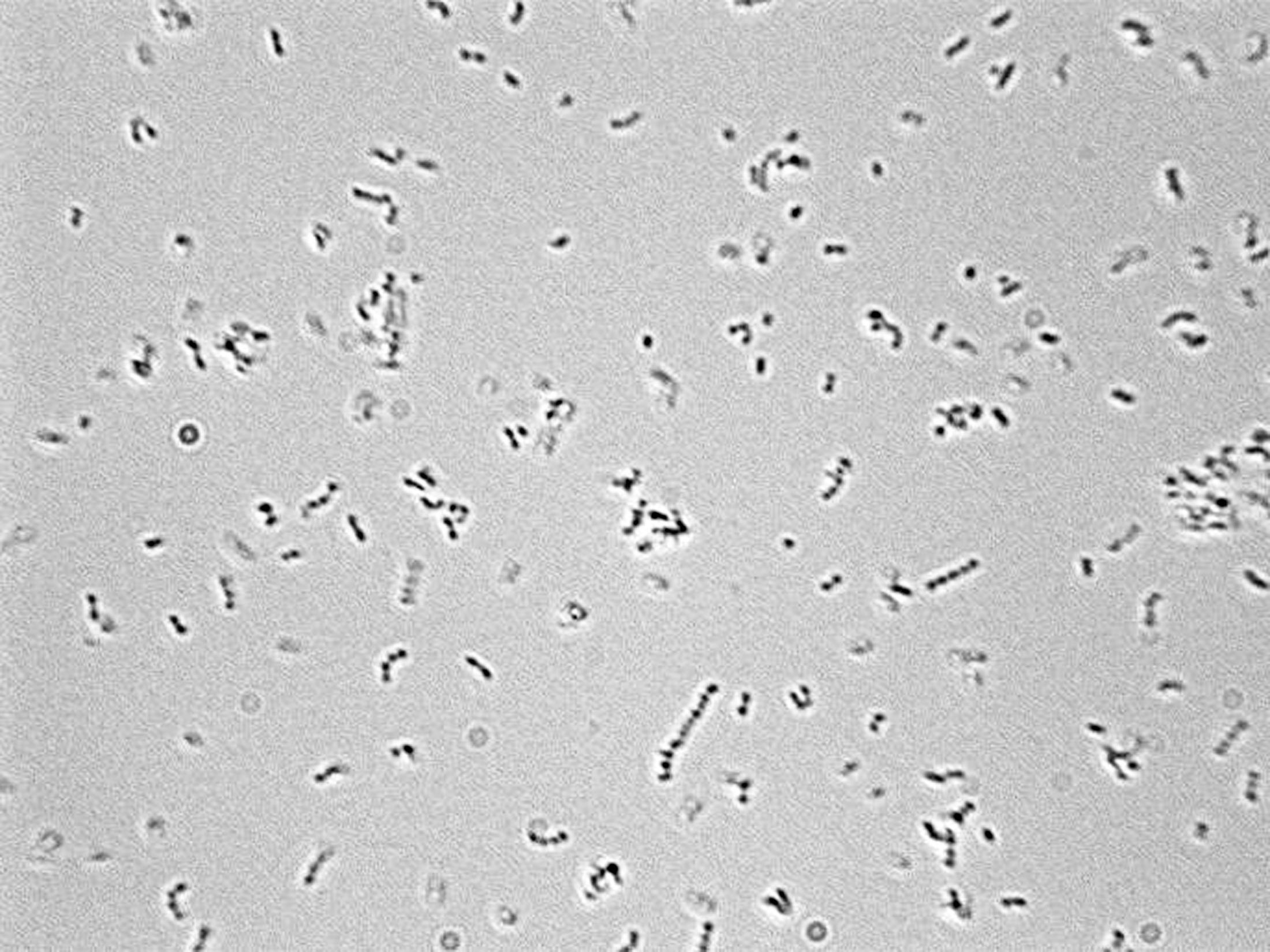
Exploring the microscopic world of bacteria is a fascinating journey that reveals the intricate details of these tiny organisms. Bacteria under microscope offer a glimpse into a realm that is invisible to the naked eye, yet plays a crucial role in our environment and health. This post delves into the techniques, tools, and significance of observing bacteria under a microscope, providing a comprehensive guide for both beginners and enthusiasts.
Understanding Bacteria
Bacteria are single-celled microorganisms that exist in diverse environments, from soil and water to the human body. They come in various shapes and sizes, including spherical (cocci), rod-shaped (bacilli), and spiral (spirilla). Understanding the morphology and behavior of bacteria is essential for fields such as medicine, environmental science, and microbiology.
Types of Microscopes for Observing Bacteria
Several types of microscopes are used to observe bacteria, each with its unique advantages and applications.
Light Microscopes
Light microscopes, also known as optical microscopes, use visible light and a system of lenses to magnify specimens. They are commonly used in educational settings and laboratories for initial observations of bacteria. Light microscopes can magnify up to 1000x, allowing for the visualization of bacterial cells and basic structures.
Electron Microscopes
Electron microscopes use a beam of electrons instead of light to achieve much higher magnification and resolution. There are two main types:
- Transmission Electron Microscope (TEM): Provides detailed internal structures of bacteria by passing electrons through thin sections of the specimen.
- Scanning Electron Microscope (SEM): Offers a three-dimensional view of the bacterial surface, revealing intricate details of the cell wall and other external features.
Fluorescence Microscopes
Fluorescence microscopes use fluorescent dyes to stain specific components of bacterial cells, making them visible under ultraviolet light. This technique is particularly useful for identifying specific types of bacteria or studying their interactions with other cells.
Preparing Bacteria for Microscopic Observation
Proper preparation of bacterial samples is crucial for obtaining clear and accurate observations. The following steps outline the process:
Sample Collection
Collect bacterial samples from the desired source, such as soil, water, or a culture medium. Ensure the sample is representative of the environment being studied.
Staining Techniques
Staining enhances the visibility of bacterial cells by adding color to the specimen. Common staining techniques include:
- Gram Staining: Differentiates bacteria based on their cell wall composition. Gram-positive bacteria retain the crystal violet stain, appearing purple, while Gram-negative bacteria do not, appearing pink.
- Simple Staining: Uses a single dye, such as methylene blue or crystal violet, to stain all bacterial cells uniformly.
- Negative Staining: Uses a dye that stains the background, making the bacteria appear colorless against a colored background.
Slide Preparation
Prepare a microscope slide by placing a small drop of the stained bacterial suspension on the slide. Cover the drop with a coverslip, ensuring there are no air bubbles. Gently press the coverslip to spread the sample evenly.
Observing Bacteria Under the Microscope
Once the sample is prepared, observing bacteria under the microscope involves several steps:
Setting Up the Microscope
Ensure the microscope is properly set up and calibrated. Adjust the lighting and focus to achieve optimal viewing conditions.
Initial Observation
Begin with the lowest magnification (4x or 10x objective lens) to locate the bacterial cells on the slide. Gradually increase the magnification to observe finer details.
Identifying Bacteria
Identify the shape, size, and arrangement of the bacterial cells. Note any distinctive features, such as flagella or capsules, which can aid in identification. Use a reference guide or database to compare your observations with known bacterial species.
Applications of Bacteria Observation
Observing bacteria under a microscope has numerous applications in various fields:
Medical Diagnostics
Identifying bacterial pathogens is crucial for diagnosing infectious diseases. Microscopic examination of clinical samples, such as blood, urine, or sputum, helps in the rapid detection and treatment of bacterial infections.
Environmental Monitoring
Monitoring bacterial populations in environmental samples, such as water and soil, provides insights into ecosystem health and potential contamination. Bacteria under microscope can indicate the presence of pollutants or pathogens, aiding in environmental management and conservation efforts.
Research and Development
Microbiological research relies heavily on the observation of bacteria under the microscope. Scientists study bacterial behavior, genetics, and interactions to develop new treatments, vaccines, and biotechnological applications.
Challenges and Limitations
While observing bacteria under a microscope is a powerful tool, it also presents several challenges and limitations:
Sample Preparation
Inadequate sample preparation can lead to poor-quality observations. Contamination, improper staining, or uneven distribution of the sample can affect the accuracy of the results.
Resolution and Magnification
Light microscopes have limited resolution and magnification, making it difficult to observe very small or detailed structures. Electron microscopes, while offering higher resolution, are more complex and expensive to operate.
Interpretation of Results
Interpreting microscopic observations requires expertise and experience. Misidentification of bacterial species or structures can lead to incorrect diagnoses or conclusions.
🔍 Note: Always follow proper safety protocols when handling bacterial samples and using microscopes to prevent contamination and ensure accurate results.
🔍 Note: Regular calibration and maintenance of the microscope are essential for obtaining reliable observations.
Observing bacteria under a microscope is a fundamental technique in microbiology that offers valuable insights into the microscopic world. From medical diagnostics to environmental monitoring, the applications of this technique are vast and diverse. By understanding the types of microscopes, preparation techniques, and observation methods, researchers and enthusiasts can unlock the secrets of these tiny organisms and their impact on our world.
Related Terms:
- bacteria under microscope 1000x
- fungus under microscope
- bacteria under electron microscope
- bacteria cell under microscope
- bacteria under microscope labeled
- real bacteria under microscope